

 Southwire Creates Native Habitat Along Utility Corridors


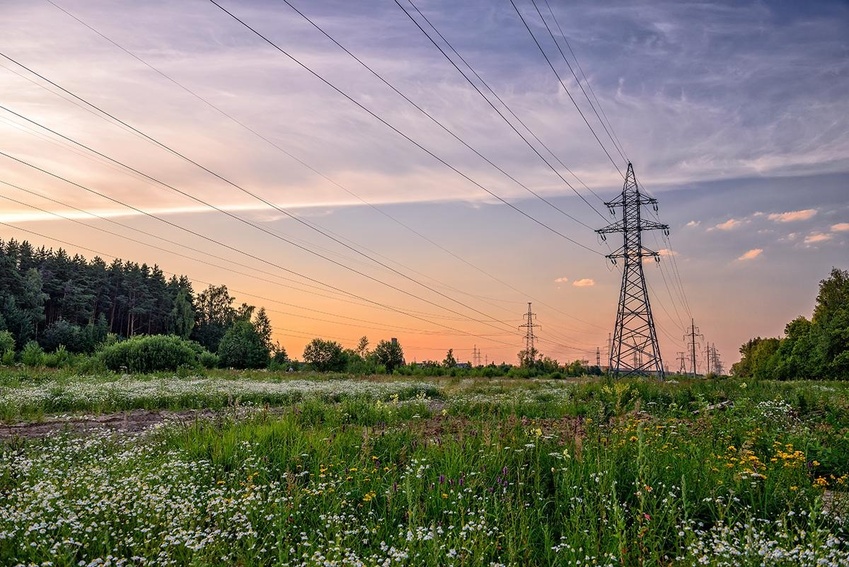
Southwire Company, LLC, Georgia Power, and nonprofit infrastructure organization The Ray are collaborating on a new land-management project in Carroll County, Georgia. The initiative is converting part of an existing energy transmission corridor into a native wildflower meadow designed to support pollinators, strengthen biodiversity, and demonstrate a more sustainable way to manage utility rights-of-way.
Established this spring near Southwire’s Carrollton facilities, the meadow offers a new approach to managing land beneath high-voltage power lines. Instead of relying primarily on conventional vegetation management, the partners have introduced a carefully selected combination of native plant species. The resulting habitat is intended to provide food, shelter, and nesting opportunities throughout the growing season for bees, butterflies, hummingbirds, and other wildlife.
“This partnership with Southwire and The Ray shows how utility rights-of-way can support grid reliability while also providing habitat for pollinators and wildlife,” said Jennifer McNelly, vice president of environmental affairs at Georgia Power. “Projects like this show how thoughtful growth and conservation can go hand in hand, creating value for the grid, native species, and customers across our state.”
Environmental and Operational Benefits
The native meadow is intended to deliver benefits beyond habitat creation. Deep-rooted native plants can help control unwanted woody vegetation, stabilize soil, and reduce the need for frequent mowing. The approach can also turn utility corridors into ecological connections between otherwise fragmented landscapes, providing pathways through which wildlife can move while maintaining the access and safety requirements associated with power infrastructure.
“This project is another example of how unused or underutilized land can be given a productive environmental purpose,” said Bo Quick, vice president of corporate sustainability and strategy at Southwire. He noted the company’s broader focus on responsible business practices and corporate stewardship, including its 2025 sustainability report, The Power to Transform.
The project builds on wider research into the use of native vegetation along infrastructure corridors. The Ray has previously studied perennial wildflower meadows as a way to create pollinator habitat while improving soil stability and reducing some of the environmental costs associated with conventional roadside management.
A Model for Sustainable Infrastructure
The Carrollton initiative demonstrates how land already occupied by critical infrastructure can potentially provide additional ecological value. By integrating native vegetation into an operating utility corridor, the project brings together energy infrastructure, habitat restoration, and land stewardship without changing the corridor’s primary function.
The partners view the initiative as a model that could potentially be adapted in other locations, offering utilities, businesses, and public-sector organizations a way to incorporate nature-positive land management into existing infrastructure networks.
 Companies