

 Cox and The Ray Create Pollinator Habitats Across Southeast


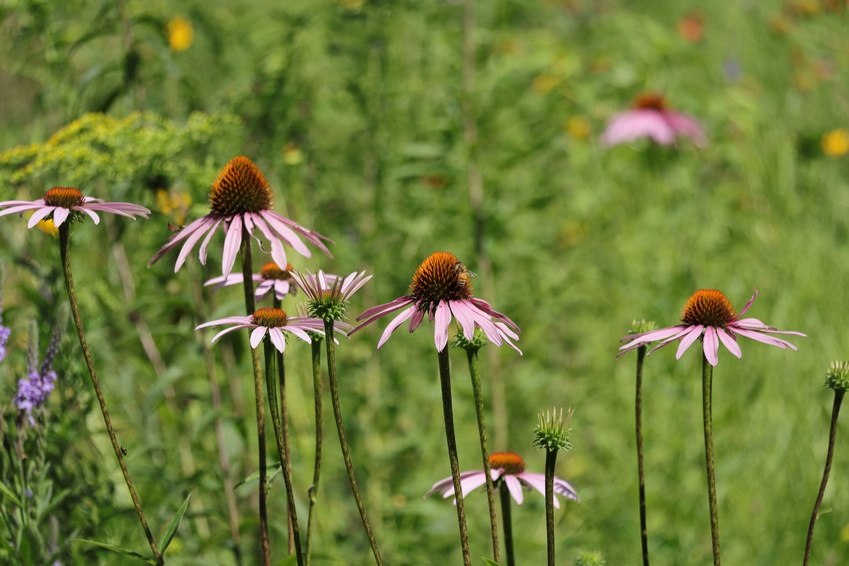
The Ray and Cox Enterprises are working together to expand native ecological corridors across the southeastern United States. In 2026, the partnership resulted in the creation of five new pollinator habitats at Cox properties across Georgia and Florida.
The initiative covers two locations in Georgia and three in Florida, demonstrating how commercial properties can incorporate functioning ecosystems into their landscapes without interfering with normal business activities.
The five newly established pollinator meadows are at:
The initiative covers two locations in Georgia and three in Florida, demonstrating how commercial properties can incorporate functioning ecosystems into their landscapes without interfering with normal business activities.
The five newly established pollinator meadows are at:
- Cox Enterprises Headquarters, Atlanta, Georgia
- Manheim Georgia, Atlanta, Georgia
- Manheim Orlando, Winter Garden, Florida
- Manheim Central Florida, Orlando, Florida
- Manheim Tampa, Tampa, Florida
Replacing Conventional Turf with Ecological Landscapes
Rather than maintaining conventional lawns that depend heavily on irrigation, fertilizers and fuel-powered mowing, The Ray and Cox have introduced almost five acres of native vegetation selected for compatibility with local environmental conditions.
The resulting habitats provide food, cover and nesting opportunities for bees, butterflies, hummingbirds and other native species. At the same time, native planting can create attractive outdoor environments that require fewer resources to maintain over the long term.
Josh Weaver, natural capital manager at The Ray, said the collaboration demonstrates how conservation-oriented habitats can be incorporated into locations that are not traditionally viewed as environmental landscapes. He noted that choosing species suited to local conditions can produce landscapes that combine visual appeal and practical function while supporting pollinators and reducing ongoing maintenance requirements.
The resulting habitats provide food, cover and nesting opportunities for bees, butterflies, hummingbirds and other native species. At the same time, native planting can create attractive outdoor environments that require fewer resources to maintain over the long term.
Josh Weaver, natural capital manager at The Ray, said the collaboration demonstrates how conservation-oriented habitats can be incorporated into locations that are not traditionally viewed as environmental landscapes. He noted that choosing species suited to local conditions can produce landscapes that combine visual appeal and practical function while supporting pollinators and reducing ongoing maintenance requirements.
Environmental Benefits for Cox and Local Communities
Nature protection and restoration form an important part of Cox's wider sustainability programme, which includes an objective to protect, restore or sustainably manage more land than the company uses.
The five new meadows contribute an additional five acres of sustainably managed land. Beyond providing habitat for pollinators, the sites are intended to contribute to healthier soils, improved water quality and greater biodiversity.
Amit Vyas, vice president of environmental sustainability at Cox Enterprises, described nature restoration as an important element of the company's sustainability strategy. He said converting previously underused areas into functioning ecosystems can help strengthen biodiversity and climate resilience while supporting Cox's broader land-management objective.
The five new meadows contribute an additional five acres of sustainably managed land. Beyond providing habitat for pollinators, the sites are intended to contribute to healthier soils, improved water quality and greater biodiversity.
Amit Vyas, vice president of environmental sustainability at Cox Enterprises, described nature restoration as an important element of the company's sustainability strategy. He said converting previously underused areas into functioning ecosystems can help strengthen biodiversity and climate resilience while supporting Cox's broader land-management objective.
Site-Specific Planning Reduces Maintenance
Each meadow has been developed according to the characteristics of its individual site. Preparation begins with assessing the soil, after which soil amendments and seed mixtures can be selected based on the findings. Plant species are chosen for their ability to perform under local conditions, including considerations such as resistance to drought and deer browsing.
Once established, the meadows require substantially less routine intervention than conventional turf. The sites do not require weekly mowing, chemical fertilisers or intensive irrigation. Following the initial establishment period, maintenance can be reduced to a single annual trim after the first winter frost. This allows native flowering plants to remain available to wildlife throughout the growing season, from spring into autumn.
Once established, the meadows require substantially less routine intervention than conventional turf. The sites do not require weekly mowing, chemical fertilisers or intensive irrigation. Following the initial establishment period, maintenance can be reduced to a single annual trim after the first winter frost. This allows native flowering plants to remain available to wildlife throughout the growing season, from spring into autumn.
Expanding the Natural Capital Approach
The five Cox sites add to The Ray's growing programme of collaborations with businesses, transportation agencies and local governments. The wider initiative promotes the integration of natural capital—the economic and environmental benefits provided by functioning ecosystems—into conventional approaches to land management.
The Cox installations demonstrate how relatively small areas of corporate property can form part of larger ecological networks. When connected across a region, these sites can contribute to wildlife movement, increase plant diversity, provide important pollinator habitat and strengthen the ability of landscapes to withstand climate-related pressures.
The Cox installations demonstrate how relatively small areas of corporate property can form part of larger ecological networks. When connected across a region, these sites can contribute to wildlife movement, increase plant diversity, provide important pollinator habitat and strengthen the ability of landscapes to withstand climate-related pressures.
 Companies