

 Nokia’s Sustainability Strategy and Net Zero 2040 Goals


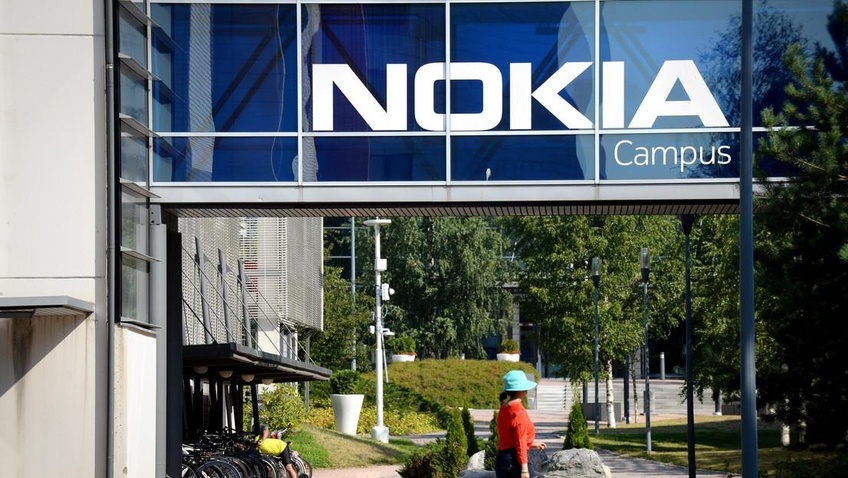
Sustainability has long been one of Nokia’s core strengths. The company’s commitment to using connectivity to create positive outcomes for people and the environment has been central to its approach for decades. Nokia began voluntarily reporting its sustainability performance through its People and Planet report in 1999. In 2017, it became the first telecommunications equipment provider to have a 2030 climate target validated by the Science Based Targets initiative (SBTi).
Nokia has continued to strengthen this commitment. In 2023, sustainability was formally incorporated into the company’s corporate strategy as well as its incentive framework. A year later, Nokia became one of the first companies in the ICT sector to have SBTi-validated Net Zero targets extending to 2040. In 2025, Corporate Knights named Nokia the world’s most sustainable company in the communications industry. Nokia also placed 37th among the world’s most sustainable companies in a TIME and Statista ranking and was included among Ethisphere’s World’s Most Ethical Companies for the ninth consecutive time. In 2026, TIME and Statista ranked Nokia fourth among the world’s most sustainable companies.
Nokia’s consistent effort to integrate sustainability into both its technology and day-to-day operations has strengthened the confidence of customers and investors. It has also helped the company respond to regulatory obligations and build greater resilience throughout its supply chain.
However, expectations are continuing to rise. Customers are placing greater emphasis on sustainability when selecting technology suppliers, regulations are becoming more demanding, and stakeholders increasingly expect companies to demonstrate measurable environmental, social and governance (ESG) performance.
Sustainability has therefore moved beyond being simply a corporate responsibility issue. It increasingly shapes purchasing decisions, influences investment strategies and plays an important role in managing ESG-related risks. It is also closely connected to supply-chain resilience and Nokia’s efforts to address challenges and opportunities involving climate change, the circular economy and unequal access to digital connectivity.
The telecommunications industry is now entering what Nokia describes as an AI-driven supercycle. Against this backdrop, Nokia’s guiding principle of advancing connectivity to secure a brighter world offers a foundation for its next phase of development. The changing market environment calls for sustainability to become an even stronger driver of business performance, innovation and growth.
Nokia’s ambition is to become the most trusted connectivity partner while using innovation and resilience to contribute to a more sustainable future.
Nokia’s Sustainability Strategy
Nokia’s sustainability strategy is built around its role as a major provider of network connectivity technology. This position gives the company an opportunity to distinguish itself in the market by making sustainability an integral part of its products, operations and relationships with customers.
The strategy is organized around four impact areas and four key enablers, designed to address the company’s environmental and social impacts, manage associated risks and respond to changing customer expectations and emerging market opportunities.
Four Impact Areas
1. Decarbonization and the Circular Transition
Nokia is working to reduce greenhouse-gas emissions throughout its value chain, with the objective of achieving Net Zero emissions by 2040. The company is also targeting 95% circularity in its waste by 2030 and is increasing the use of recycled materials in its products.
2. Bridging the Digital Divide
According to the GSMA, nearly 3.4 billion people worldwide remain either without internet access or inadequately served by existing connectivity. Limited digital access can increase vulnerability to climate-related emergencies and contribute to economic and social exclusion.
Nokia aims to support its customers in connecting approximately 2 billion mobile subscribers and 140 million additional fiber-to-the-home customers by 2030. The broader objective is not simply to expand network coverage, but also to encourage digital adoption and make connectivity more accessible to communities that remain underserved or disconnected.
3. Supply Chain Resilience
Nokia operates a global supply network involving thousands of suppliers across more than 100 countries, with annual expenditure running into billions of euros. Such a large and geographically diverse supply chain creates both opportunities and potential risks.
In response to increasing global uncertainty, Nokia plans to strengthen its responsible sourcing initiatives and sustainable supply-chain practices. These efforts are intended to support regulatory compliance, improve resilience and ensure that the company continues to meet the sustainability expectations of its customers.
4. Responsible Use of Technology
Emerging technologies such as artificial intelligence, 6G and quantum computing are increasingly becoming part of discussions around digital sovereignty. As these technologies become more influential, responsible development and deployment will become increasingly important.
Nokia intends to use responsible technology practices as a way to differentiate itself from competitors and reinforce its position as a trusted technology provider.
Four Key Enablers
Customer Engagement
Nokia plans to deepen its engagement with strategic customers, particularly as major buyers increasingly incorporate sustainability criteria into their technology procurement processes.
Ecosystem Collaboration
Achieving meaningful sustainability outcomes requires cooperation across the broader technology and business ecosystem. Nokia’s priorities include helping partners access public funding, bringing together key stakeholders, contributing to international sustainability standards and making greater use of open-source innovation.
Innovation
The company aims to accelerate sustainability-focused innovation by combining its own research capabilities with collaborative development alongside customers and other partners.
Digitalization
Nokia intends to strengthen its management of ESG information by digitizing and automating relevant processes. Artificial intelligence will also be used to improve efficiency and enhance the way sustainability data is managed and utilized.
As these strategic priorities evolve, Nokia says it will continue to maintain strong standards in compliance, corporate governance and business ethics.
The company’s established systems for compliance, risk management and governance remain fundamental to the trust it has built in the market. Nokia’s current sustainability strategy is intended to build on that foundation rather than replace it.
Sharpening the Focus
Nokia’s technologies currently support more than 4.5 billion mobile subscriptions across more than 150 countries, as well as the networks operated by nine of the world’s ten largest AI and cloud providers.
Its sustainability strategy is designed to respond to the growing need to connect intelligence and people across the globe while ensuring that technological progress is pursued responsibly and with consideration for future generations and the planet.
More information about Nokia’s sustainability approach is available on its official website.
Sustainability is increasingly becoming a source of innovation, resilience and long-term value. For Nokia, it means concentrating resources on areas where the company can have meaningful impact, creating value through responsible technology and working with customers and partners to address global challenges.
The company’s objective is to help shape a more connected and sustainable future through continued collaboration and innovation.
Nokia has continued to strengthen this commitment. In 2023, sustainability was formally incorporated into the company’s corporate strategy as well as its incentive framework. A year later, Nokia became one of the first companies in the ICT sector to have SBTi-validated Net Zero targets extending to 2040. In 2025, Corporate Knights named Nokia the world’s most sustainable company in the communications industry. Nokia also placed 37th among the world’s most sustainable companies in a TIME and Statista ranking and was included among Ethisphere’s World’s Most Ethical Companies for the ninth consecutive time. In 2026, TIME and Statista ranked Nokia fourth among the world’s most sustainable companies.
Nokia’s consistent effort to integrate sustainability into both its technology and day-to-day operations has strengthened the confidence of customers and investors. It has also helped the company respond to regulatory obligations and build greater resilience throughout its supply chain.
However, expectations are continuing to rise. Customers are placing greater emphasis on sustainability when selecting technology suppliers, regulations are becoming more demanding, and stakeholders increasingly expect companies to demonstrate measurable environmental, social and governance (ESG) performance.
Sustainability has therefore moved beyond being simply a corporate responsibility issue. It increasingly shapes purchasing decisions, influences investment strategies and plays an important role in managing ESG-related risks. It is also closely connected to supply-chain resilience and Nokia’s efforts to address challenges and opportunities involving climate change, the circular economy and unequal access to digital connectivity.
The telecommunications industry is now entering what Nokia describes as an AI-driven supercycle. Against this backdrop, Nokia’s guiding principle of advancing connectivity to secure a brighter world offers a foundation for its next phase of development. The changing market environment calls for sustainability to become an even stronger driver of business performance, innovation and growth.
Nokia’s ambition is to become the most trusted connectivity partner while using innovation and resilience to contribute to a more sustainable future.
Nokia’s Sustainability Strategy
Nokia’s sustainability strategy is built around its role as a major provider of network connectivity technology. This position gives the company an opportunity to distinguish itself in the market by making sustainability an integral part of its products, operations and relationships with customers.
The strategy is organized around four impact areas and four key enablers, designed to address the company’s environmental and social impacts, manage associated risks and respond to changing customer expectations and emerging market opportunities.
Four Impact Areas
1. Decarbonization and the Circular Transition
Nokia is working to reduce greenhouse-gas emissions throughout its value chain, with the objective of achieving Net Zero emissions by 2040. The company is also targeting 95% circularity in its waste by 2030 and is increasing the use of recycled materials in its products.
2. Bridging the Digital Divide
According to the GSMA, nearly 3.4 billion people worldwide remain either without internet access or inadequately served by existing connectivity. Limited digital access can increase vulnerability to climate-related emergencies and contribute to economic and social exclusion.
Nokia aims to support its customers in connecting approximately 2 billion mobile subscribers and 140 million additional fiber-to-the-home customers by 2030. The broader objective is not simply to expand network coverage, but also to encourage digital adoption and make connectivity more accessible to communities that remain underserved or disconnected.
3. Supply Chain Resilience
Nokia operates a global supply network involving thousands of suppliers across more than 100 countries, with annual expenditure running into billions of euros. Such a large and geographically diverse supply chain creates both opportunities and potential risks.
In response to increasing global uncertainty, Nokia plans to strengthen its responsible sourcing initiatives and sustainable supply-chain practices. These efforts are intended to support regulatory compliance, improve resilience and ensure that the company continues to meet the sustainability expectations of its customers.
4. Responsible Use of Technology
Emerging technologies such as artificial intelligence, 6G and quantum computing are increasingly becoming part of discussions around digital sovereignty. As these technologies become more influential, responsible development and deployment will become increasingly important.
Nokia intends to use responsible technology practices as a way to differentiate itself from competitors and reinforce its position as a trusted technology provider.
Four Key Enablers
Customer Engagement
Nokia plans to deepen its engagement with strategic customers, particularly as major buyers increasingly incorporate sustainability criteria into their technology procurement processes.
Ecosystem Collaboration
Achieving meaningful sustainability outcomes requires cooperation across the broader technology and business ecosystem. Nokia’s priorities include helping partners access public funding, bringing together key stakeholders, contributing to international sustainability standards and making greater use of open-source innovation.
Innovation
The company aims to accelerate sustainability-focused innovation by combining its own research capabilities with collaborative development alongside customers and other partners.
Digitalization
Nokia intends to strengthen its management of ESG information by digitizing and automating relevant processes. Artificial intelligence will also be used to improve efficiency and enhance the way sustainability data is managed and utilized.
As these strategic priorities evolve, Nokia says it will continue to maintain strong standards in compliance, corporate governance and business ethics.
The company’s established systems for compliance, risk management and governance remain fundamental to the trust it has built in the market. Nokia’s current sustainability strategy is intended to build on that foundation rather than replace it.
Sharpening the Focus
Nokia’s technologies currently support more than 4.5 billion mobile subscriptions across more than 150 countries, as well as the networks operated by nine of the world’s ten largest AI and cloud providers.
Its sustainability strategy is designed to respond to the growing need to connect intelligence and people across the globe while ensuring that technological progress is pursued responsibly and with consideration for future generations and the planet.
More information about Nokia’s sustainability approach is available on its official website.
Sustainability is increasingly becoming a source of innovation, resilience and long-term value. For Nokia, it means concentrating resources on areas where the company can have meaningful impact, creating value through responsible technology and working with customers and partners to address global challenges.
The company’s objective is to help shape a more connected and sustainable future through continued collaboration and innovation.
 Companies