

 Rural Utilities and the AI Fiber Opportunity


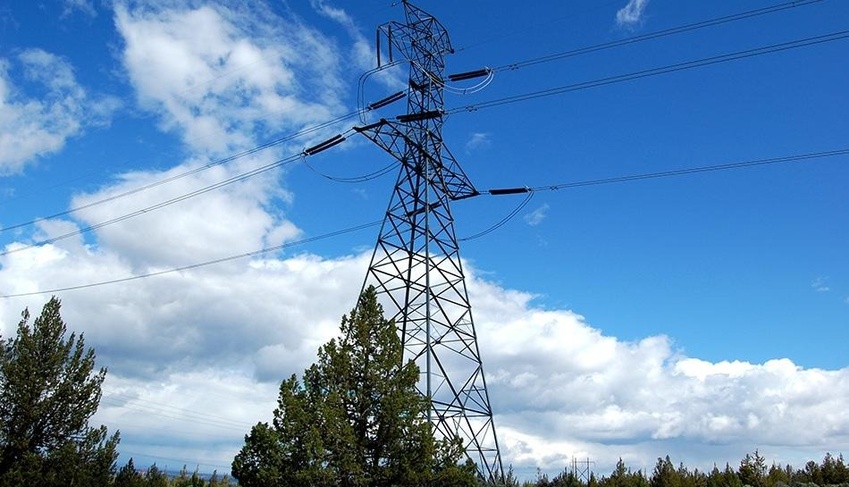
Expanding access to artificial intelligence (AI) in rural communities is among the issues I look forward to exploring at DISTRIBUTECH International 2026 in San Diego. As AI adoption accelerates, an important question is emerging: how significant could this opportunity become for power utilities?
Governments, electric utilities and telecommunications companies are working to reduce the digital divide. Reliable broadband has become fundamental to modern life, supporting education, healthcare, economic activity and participation in the wider digital economy.
However, serving rural communities requires more than extending fiber to individual homes and businesses. The underlying infrastructure must include resilient and modern optical transport networks capable of carrying today's digital traffic while also supporting the rapidly increasing data requirements of AI applications.
Utilities Are Expanding Their Fiber Footprint
Power utilities are increasingly installing fiber along transmission and distribution infrastructure. These networks can provide real-time visibility into grid operations, secure communications with substations and reliable connectivity for corporate networks. In some cases, utilities are also using their fiber infrastructure to support broadband services.
To handle these increasingly diverse workloads, utility networks need to be scalable, secure, straightforward to operate and highly resilient. Developments in coherent optics, compact networking equipment, switching, automation and encryption are making this increasingly practical.
Modern optical platforms can combine critical operational technology (OT) traffic with demanding IT workloads and expanding broadband requirements over middle-mile infrastructure.
Data Center Interconnect Opens a New Revenue Stream
A particularly attractive opportunity lies in data center interconnect (DCI).
The rapid growth of AI is driving enormous demand for fast, low-latency connections between data centers. Power utilities are well positioned to participate because many already control access to substantial power resources and operate fiber routes extending across long distances.
This infrastructure could allow utilities to offer high-capacity DCI services at speeds such as 100, 400 or 800 Gb/s.
Managed optical fiber networks (MOFNs) could serve cloud providers, AI companies and large enterprises seeking dedicated, high-performance connectivity. As data centers move closer to the edge of the network, they can also support AI inference applications for consumers and businesses.
That shift creates additional demand for greater bandwidth, reduced latency and interconnection solutions that provide stronger control over where data is processed and stored.
AI Is Creating Unprecedented Network Demand
The rapid adoption of AI is fundamentally changing the requirements placed on communications infrastructure. Businesses are increasingly experimenting with agentic AI to automate processes, while technology companies continue to make enormous investments in computing infrastructure.
Goldman Sachs has projected that AI-related spending will surpass US$500 billion in 2026. Deloitte has estimated that electricity demand from AI-focused data centers in the United States could increase by more than 30 times by 2035. McKinsey has also projected that AI could account for as much as 70% of data center capacity demand by 2030.
Such growth will put significant pressure on optical transport and DCI infrastructure. Networks that were designed for earlier generations of cloud and enterprise traffic will increasingly need upgrades to handle AI-driven capacity requirements.
Why Rural Locations Are Becoming Attractive to Data Centers
The limitations of major urban markets are another factor pushing data center development toward rural areas. Cities and established technology hubs increasingly face constraints involving available land and electricity capacity. In some locations, obtaining a new data center power connection can take several years.
Rural markets can offer a different set of advantages, including more affordable land, access to renewable energy, greater availability of water, cooler weather in some regions, lower exposure to certain natural hazards and convenient access to long-distance fiber routes.
Major cloud and technology companies, including AWS and Microsoft, are consequently expanding data center investments into less densely populated areas.
Creating Networks Ready for AI and Multiple Services
The latest generation of optical networking equipment is becoming increasingly compact, modular and energy efficient. Programmable coherent pluggables can support data rates ranging from 100G to 800G over distances of thousands of kilometers, reducing the need for expensive regeneration infrastructure.
For utilities, these capabilities can lower energy consumption per transmitted bit while providing a more practical migration path toward emerging 800G routing platforms. They can also support open, multivendor network architectures.
Rather than maintaining separate infrastructure for different applications, utilities can build multi-purpose networks capable of handling broadband aggregation, middle-mile connectivity, IT/OT convergence and new DCI and MOFN services.
Modern architectures can also reduce equipment footprints and operating costs compared with legacy platforms while providing stronger automation, network protection and operational flexibility.
A Strategic Opportunity for Rural Utilities
The convergence of rural connectivity, power infrastructure, fiber networks and AI creates an important opportunity for utilities.
Broadband deployment will remain critical for rural communities, but AI is introducing an entirely new source of demand for high-capacity connectivity. Many rural locations already possess some of the fundamental ingredients needed for next-generation data center development: available land, access to electricity and proximity to long-haul fiber.
By investing in modern, high-capacity optical transport infrastructure, utilities can potentially serve multiple markets simultaneously—from broadband providers and enterprises to cloud companies and AI data centers.
This could position power utilities not simply as providers of electricity, but as important participants in the digital infrastructure supporting the next generation of AI.
I look forward to exploring these developments and sharing more insights at DISTRIBUTECH International 2026 in San Diego. For those unable to attend, I will continue sharing developments and perspectives from this rapidly evolving industry.
Governments, electric utilities and telecommunications companies are working to reduce the digital divide. Reliable broadband has become fundamental to modern life, supporting education, healthcare, economic activity and participation in the wider digital economy.
However, serving rural communities requires more than extending fiber to individual homes and businesses. The underlying infrastructure must include resilient and modern optical transport networks capable of carrying today's digital traffic while also supporting the rapidly increasing data requirements of AI applications.
Utilities Are Expanding Their Fiber Footprint
Power utilities are increasingly installing fiber along transmission and distribution infrastructure. These networks can provide real-time visibility into grid operations, secure communications with substations and reliable connectivity for corporate networks. In some cases, utilities are also using their fiber infrastructure to support broadband services.
To handle these increasingly diverse workloads, utility networks need to be scalable, secure, straightforward to operate and highly resilient. Developments in coherent optics, compact networking equipment, switching, automation and encryption are making this increasingly practical.
Modern optical platforms can combine critical operational technology (OT) traffic with demanding IT workloads and expanding broadband requirements over middle-mile infrastructure.
Data Center Interconnect Opens a New Revenue Stream
A particularly attractive opportunity lies in data center interconnect (DCI).
The rapid growth of AI is driving enormous demand for fast, low-latency connections between data centers. Power utilities are well positioned to participate because many already control access to substantial power resources and operate fiber routes extending across long distances.
This infrastructure could allow utilities to offer high-capacity DCI services at speeds such as 100, 400 or 800 Gb/s.
Managed optical fiber networks (MOFNs) could serve cloud providers, AI companies and large enterprises seeking dedicated, high-performance connectivity. As data centers move closer to the edge of the network, they can also support AI inference applications for consumers and businesses.
That shift creates additional demand for greater bandwidth, reduced latency and interconnection solutions that provide stronger control over where data is processed and stored.
AI Is Creating Unprecedented Network Demand
The rapid adoption of AI is fundamentally changing the requirements placed on communications infrastructure. Businesses are increasingly experimenting with agentic AI to automate processes, while technology companies continue to make enormous investments in computing infrastructure.
Goldman Sachs has projected that AI-related spending will surpass US$500 billion in 2026. Deloitte has estimated that electricity demand from AI-focused data centers in the United States could increase by more than 30 times by 2035. McKinsey has also projected that AI could account for as much as 70% of data center capacity demand by 2030.
Such growth will put significant pressure on optical transport and DCI infrastructure. Networks that were designed for earlier generations of cloud and enterprise traffic will increasingly need upgrades to handle AI-driven capacity requirements.
Why Rural Locations Are Becoming Attractive to Data Centers
The limitations of major urban markets are another factor pushing data center development toward rural areas. Cities and established technology hubs increasingly face constraints involving available land and electricity capacity. In some locations, obtaining a new data center power connection can take several years.
Rural markets can offer a different set of advantages, including more affordable land, access to renewable energy, greater availability of water, cooler weather in some regions, lower exposure to certain natural hazards and convenient access to long-distance fiber routes.
Major cloud and technology companies, including AWS and Microsoft, are consequently expanding data center investments into less densely populated areas.
Creating Networks Ready for AI and Multiple Services
The latest generation of optical networking equipment is becoming increasingly compact, modular and energy efficient. Programmable coherent pluggables can support data rates ranging from 100G to 800G over distances of thousands of kilometers, reducing the need for expensive regeneration infrastructure.
For utilities, these capabilities can lower energy consumption per transmitted bit while providing a more practical migration path toward emerging 800G routing platforms. They can also support open, multivendor network architectures.
Rather than maintaining separate infrastructure for different applications, utilities can build multi-purpose networks capable of handling broadband aggregation, middle-mile connectivity, IT/OT convergence and new DCI and MOFN services.
Modern architectures can also reduce equipment footprints and operating costs compared with legacy platforms while providing stronger automation, network protection and operational flexibility.
A Strategic Opportunity for Rural Utilities
The convergence of rural connectivity, power infrastructure, fiber networks and AI creates an important opportunity for utilities.
Broadband deployment will remain critical for rural communities, but AI is introducing an entirely new source of demand for high-capacity connectivity. Many rural locations already possess some of the fundamental ingredients needed for next-generation data center development: available land, access to electricity and proximity to long-haul fiber.
By investing in modern, high-capacity optical transport infrastructure, utilities can potentially serve multiple markets simultaneously—from broadband providers and enterprises to cloud companies and AI data centers.
This could position power utilities not simply as providers of electricity, but as important participants in the digital infrastructure supporting the next generation of AI.
I look forward to exploring these developments and sharing more insights at DISTRIBUTECH International 2026 in San Diego. For those unable to attend, I will continue sharing developments and perspectives from this rapidly evolving industry.
 Companies