

The Future of Airport Security: How AI and Connected Screening Could Transform Airports by 2050
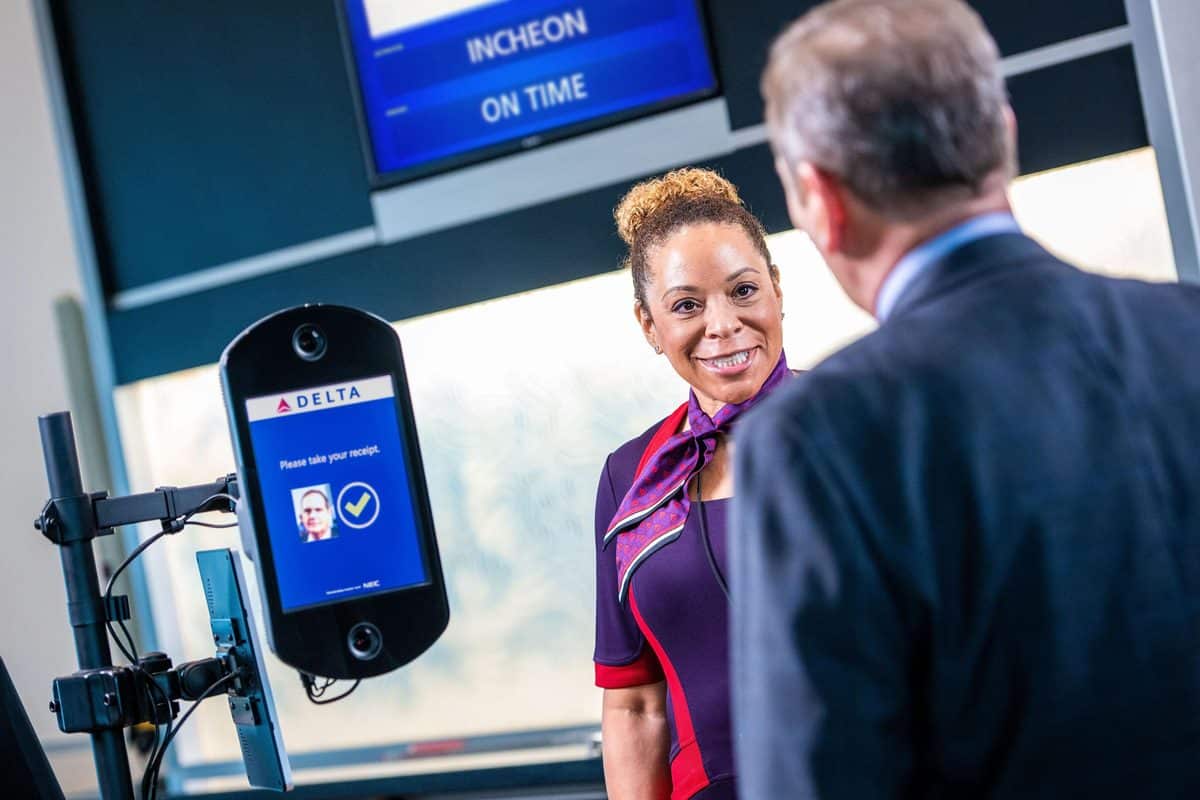
The future of airport security is likely to be shaped by greater integration of artificial intelligence (AI), biometric identification, digital travel credentials and advanced screening technologies. Over the past 25 years, aviation security has evolved considerably, moving from a predominantly hardware-based approach centred on X-ray equipment and metal detectors towards increasingly connected systems that combine detection technology with identity verification and risk assessment.
Looking ahead to 2050, the next stage of this transformation could make airport screening more adaptive, reduce unnecessary passenger interactions and provide security personnel with better information to identify potential threats.
How airport security has evolved
Traditional airport checkpoints relied heavily on physical screening equipment, including X-ray systems and metal detectors. While these technologies remain important, the security environment has expanded to incorporate computed tomography (CT), biometrics, identity authentication and risk-based screening.
This shift reflects a broader move towards connecting different elements of the security process. Rather than relying exclusively on the detection of prohibited objects, airports are increasingly looking at how passenger identity, travel information and threat intelligence can contribute to security decisions.
The next generation of screening is expected to build on this integration, combining information and technology to make checkpoints more responsive to individual circumstances.
Four developments shaping the future of airport security
Several interconnected developments are expected to influence how airports approach passenger screening and threat detection.
1. More adaptive passenger screening
Airport checkpoints could become more flexible as identity information, digital travel credentials and risk-related data become more closely integrated.
This could allow screening processes to be tailored to individual travellers rather than applying an identical sequence of transactions to everyone. By making greater use of available information, airports could potentially reduce unnecessary interactions while maintaining appropriate security measures.
2. Greater reliance on software and open architecture
Software is expected to play a more prominent role in the development of airport screening systems. Open architecture and standardised interfaces can make it easier for airports to introduce new capabilities, detection algorithms and technology without continually replacing existing hardware.
This approach could also help security operators adapt their systems as new threats and screening requirements emerge.
3. AI could change the role of frontline security personnel
Artificial intelligence is poised to influence how security personnel interact with screening systems. AI-enabled threat detection and automated alarm resolution could help identify potential concerns and manage routine screening outcomes.
By handling certain processes automatically, these systems could allow frontline personnel to concentrate more attention on exceptions, complex decisions and the overall performance of security operations.
However, technology is intended to support the people responsible for airport security, not remove their central role.
4. Integrated systems could improve passenger experience
Connecting screening technology, data and operational processes could reduce unnecessary transactions and make the passenger journey more efficient.
A more integrated approach could help airports balance security requirements with passenger convenience. The objective is not simply to accelerate screening, but to make the process more effective by improving how information and detection systems work together.
What could airport security look like in 2050?
By 2050, airport security could form part of a wider digital ecosystem connecting threat intelligence, identity verification, trust systems and passenger choice.
Travellers may encounter fewer repetitive transactions and more personalised screening procedures. At the same time, security personnel could have access to more comprehensive information, helping them identify potential threats and respond more effectively.
Such a model would represent a significant change from checkpoints built primarily around standalone detection equipment. Instead, security operations could depend on coordinated systems that bring together passenger information, screening technologies and operational intelligence.
These developments remain a vision of what future airport security could become rather than a guarantee of how every airport will operate by 2050.
Technology will not replace the people behind aviation security
Despite the growing role of automation and connected systems, people will remain central to aviation security.
Darby LaJoye, Vice President, Airports, Borders and Security at Leidos, acknowledged the contribution of the Transportation Security Administration (TSA), the Federal Aviation Administration (FAA), airline crews, law enforcement agencies and the thousands of airport personnel working both in public-facing roles and behind the scenes.
Their work remains fundamental to protecting travellers, regardless of how screening technology develops.
As airports adopt more connected and automated systems, the underlying responsibility of security personnel will remain unchanged: safeguarding the travelling public.
Key takeaways: The next generation of airport screening
The evolution of aviation security points towards three broad developments:
- Connected security systems: Identity, passenger data and threat detection will increasingly work together to support screening decisions.
- More adaptable technology: AI and open architectures could make screening systems more flexible and reduce the need for frequent hardware replacement.
- Security alongside convenience: Better integration of technology and processes could improve passenger experience without compromising the security mission.
The transition towards more intelligent airport screening will depend not only on technological advances but also on how effectively airports integrate these systems into their operations. By 2050, AI and connected infrastructure could make security more adaptive, but the people responsible for protecting travellers will continue to play an essential role.