

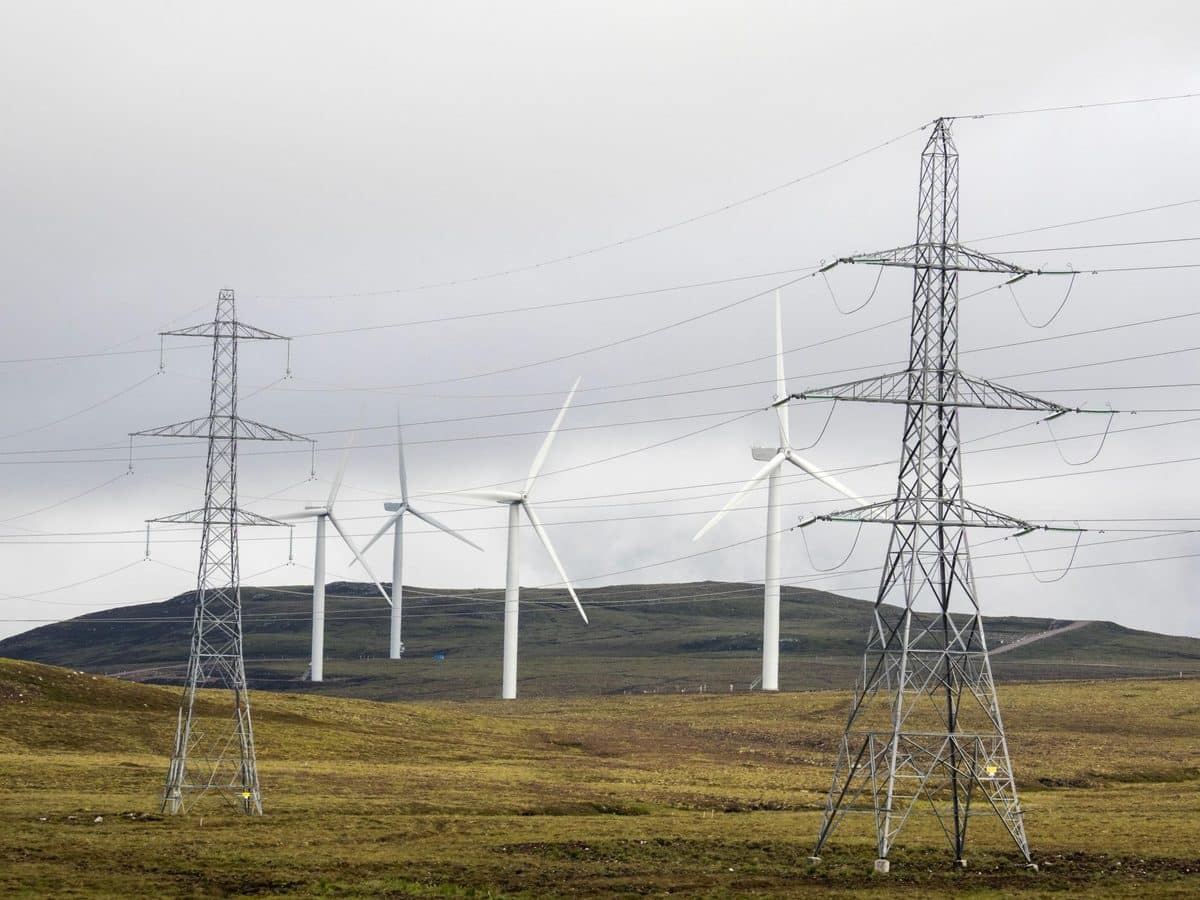
Europe’s Electrification Push Highlights the Role of AI and Digital Connectivity
Europe’s electrification drive is becoming increasingly important as the continent seeks to reduce its dependence on fossil fuels while accommodating rising demand for electricity and computing capacity. The rapid expansion of artificial intelligence (AI) and the data centres that support it is adding pressure to energy infrastructure, making efficient electricity networks and digital connectivity essential to the transition.
The European Commission’s Electrification Action Plan, published on 17 July 2026, proposes an indicative target of increasing electricity’s share of final EU energy consumption from around 23% to 46% by 2040. The target is to be assessed as part of the Commission’s work on the post-2030 Energy Union package.
The challenge is not simply to generate more electricity. Europe must also modernise its grids, integrate more renewable power and ensure that electricity is used efficiently across transport, buildings, industry and digital infrastructure.
Europe’s electrification plans and the shift away from fossil fuels
Renewable energy has expanded significantly across the European Union. However, electricity still accounts for only about 23% of the bloc’s final energy consumption. Transport, heating and several industrial processes continue to depend substantially on fossil fuels.
Electrification involves replacing technologies that directly burn fossil fuels with alternatives powered by electricity. Examples include replacing petrol and diesel vehicles with electric vehicles and switching from gas boilers to electric heat pumps.
As the share of renewable electricity increases, electrification can help reduce fossil-fuel consumption. The European Commission’s approach focuses on three broad objectives:
- Cleaner energy: Shifting energy demand towards renewable and other low-carbon electricity sources.
- Greater affordability: Reducing exposure to volatile fossil-fuel markets and addressing energy costs.
- Improved efficiency: Making better use of existing energy infrastructure while expanding clean electricity capacity.
The Commission’s proposed 2040 target reflects the scale of the transition. However, achieving it will depend on whether Europe can provide sufficient clean and affordable electricity, use available resources more efficiently and expand grid capacity to accommodate changing demand.
AI and data centres add pressure to electricity systems
AI is often discussed as an additional source of electricity demand because the data centres supporting AI applications require substantial computing capacity. Yet digital infrastructure could also contribute to more flexible energy-system operations.
Some computing workloads do not need to be completed immediately. Where technical requirements, operating conditions and customer commitments permit, data-centre operators could schedule these activities for periods when electricity demand on the grid is lower. This could help ease pressure on local electricity networks during peak periods.
Utilities face a related challenge. As renewable generation and distributed energy resources become more widespread, grid operators need better visibility of changing supply and demand. They also require reliable communications and control systems to coordinate operations across increasingly complex networks.
This makes electrification an ecosystem-wide undertaking. Data-centre operators, electricity utilities, telecommunications companies, public authorities and local communities are becoming more closely connected through the infrastructure on which modern energy systems depend. Their ability to exchange information and coordinate activities will influence how effectively the transition progresses.
European policy initiatives address energy and digital infrastructure
The European Commission’s Electrification Action Plan outlines measures intended to accelerate the shift from fossil fuels to electricity across buildings, transport and industry. It also identifies electricity-grid modernisation and better utilisation of existing infrastructure as important requirements.
Digital infrastructure is receiving attention through a separate policy initiative. The proposed Cloud and AI Development Act is intended to strengthen Europe’s cloud and AI ecosystem, support sustainable data-centre deployment and expand computing capacity. It forms part of the EU’s wider efforts to improve technological competitiveness and sovereignty.
These initiatives are at different stages of development, and their final provisions may change. Taken together, however, they point towards a closer relationship between digital infrastructure and the electricity system.
Advanced connectivity can support grid modernisation
A more responsive electricity system requires secure and reliable information exchange between data centres, telecommunications networks, utilities and equipment deployed across the grid.
Advanced connectivity can provide the digital foundation for this coordination. Data centres need reliable networks to manage computing workloads and move information. Utilities require timely grid data to monitor operating conditions and coordinate distributed energy resources. Telecom operators, meanwhile, must manage network capacity efficiently while supporting growing digital demand.
Nokia provides network infrastructure across these environments, including solutions for electricity-grid modernisation, data-centre networking and telecommunications networks.
Connecting utilities and smart grids
Nokia’s solutions for power utilities are designed to connect data centres, control centres and grid-edge environments through secure, high-performance communications infrastructure.
The company is also expanding its IP routing portfolio to support smart-grid modernisation. These networks are intended to meet the communications requirements of electricity systems that are becoming more digital and distributed.
Improving data-centre network efficiency
Connectivity, automation and network visibility can help data-centre operators manage infrastructure more effectively.
Nokia’s Event-Driven Automation platform supports data-centre network automation, while its critical connectivity solutions are designed for high-performance data-centre environments.
The company is also promoting a Passive Optical Network (PON)-based approach to out-of-band management. Out-of-band management provides a separate communications path for monitoring and managing critical data-centre equipment.
Nokia’s Aurelis for Data Centers solution is designed to reduce the active equipment, power consumption and cabling required for this function compared with conventional switch-based architectures. According to Nokia, the solution can reduce the number of active switches by 90% and deliver power savings of 50% or more. The company also says the architecture can simplify operations and improve space efficiency.
Reducing power consumption in routing infrastructure
Networking equipment must carry increasing volumes of data without requiring a corresponding increase in energy consumption and physical infrastructure.
Nokia says its FP5 routing silicon delivers a 75% reduction in power consumption compared with the preceding FP4 generation, while providing more than three times the system capacity. These figures refer specifically to Nokia’s FP4 and FP5 routing generations and are company-reported comparisons, rather than a general measure of improvements across the networking industry.
AI-enabled management of telecom networks
Telecommunications networks connect people, businesses, data centres and critical infrastructure. As data traffic increases, operators need to make more efficient use of network capacity and energy.
AI-enabled network management could help operators adapt infrastructure use to actual traffic patterns. Nokia’s work on an AI-native, end-to-end network architecture is intended to show how AI-driven optimisation can help telecommunications networks adjust energy consumption in response to changing demand.
Collaboration will be essential to Europe’s electrification drive
Expanding electricity-grid capacity will be central to meeting rising demand and maintaining affordability. However, building additional infrastructure alone will not be sufficient. Energy systems, computing facilities and telecommunications networks will also need to use available resources more efficiently, while keeping decarbonisation objectives in view.
Progress will depend on cooperation between utilities, data-centre operators, telecom providers, technology companies, public authorities and communities. Each is part of an increasingly interconnected infrastructure ecosystem.
Nokia’s stated role is to provide connectivity infrastructure that allows these systems to exchange information and coordinate their operations. By linking data centres, telecommunications networks, utilities and grid infrastructure, advanced networks could help provide the digital foundation for a cleaner, more affordable and more efficient electrification of European society.