

 SPOT CKD: Advancing Early Detection and Health Equity


In healthcare, some of the most consequential opportunities are also the easiest to overlook. They are the moments when an underlying condition could be identified early, but remains undetected.
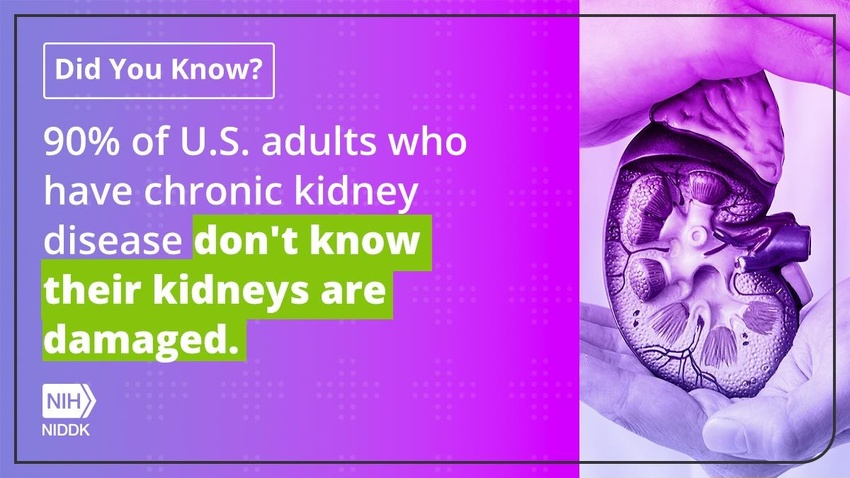
Chronic kidney disease (CKD) is a clear example. Unlike conditions that produce obvious warning signs, CKD can develop silently, with little or no noticeable symptoms for many years. By the time it is identified, significant kidney damage may already have occurred. As a result, detecting CKD depends heavily on proactive identification and timely testing rather than waiting for symptoms to appear.
Several factors can contribute to missed opportunities, including gaps in clinical coding, limited awareness, and the competing demands placed on healthcare professionals. When these opportunities are overlooked, healthcare systems lose valuable time in which earlier intervention could potentially improve outcomes and help reduce inequalities in care.
For the National Health Service (NHS) in the United Kingdom, these missed opportunities have wider implications. They influence how effectively healthcare resources are deployed, how supported clinicians feel in identifying patients at risk, and how successfully health inequalities can be addressed. For patients, they can determine whether appropriate care begins at an early stage or only after the condition has progressed.
Why health equity matters
CKD does not occur at the same rate across all communities. The condition is particularly relevant in populations already experiencing health inequalities, including communities affected by socioeconomic disadvantage and areas with significant ethnic diversity.
Recognising this, the Hampshire and Isle of Wight (HIOW) and North East and North Cumbria (NENC) Integrated Care Boards (ICBs) sought to develop a different approach to identifying CKD—one designed to reduce the likelihood that early opportunities for detection would be missed.
HIOW encompasses a varied geography, including rural market towns, coastal communities such as the Isle of Wight, and diverse urban centres including Portsmouth and Southampton. Accessing healthcare is not equally straightforward for everyone. Language differences, transportation difficulties and limited digital connectivity can create practical barriers. Working patterns, including shift work, and caring responsibilities may make it difficult for some people to attend appointments or complete important tests. In other communities, cultural factors and limited access to online information can present additional challenges when seeking health advice or arranging healthcare.
The NENC Integrated Care System covers one of England’s largest geographical areas. It brings together urban centres with coastal, rural and post-industrial communities, each with distinct characteristics and needs. Strong community networks and local identities coexist with areas experiencing substantial deprivation and significant health challenges. By combining data and research with knowledge from local communities, the region is working to address disparities in health outcomes and expand opportunities for people across all communities.
SPOT CKD: Developing a collaborative approach
Against this background, NHS teams in HIOW and NENC, working with Boehringer Ingelheim, established SPOT CKD—Screening, Prevention, Outreach, and Treatment for Health Equity.
SPOT CKD is designed not simply as a conventional pilot programme, but as a collaborative model based on shared responsibility and local ownership. NHS teams identify priorities according to the needs of their populations, while the NHS and Boehringer Ingelheim contribute practical enablers such as data-driven insights, training and coordination. Local communities play an important role in shaping interventions, ensuring that proposed solutions reflect people's experiences of accessing and receiving care.
Healthcare innovators from the NHS, Boehringer Ingelheim and partner organisations then support implementation by introducing appropriate technologies and developing more connected care pathways. These pathways aim to strengthen the relationship between primary care and specialist renal services, helping patients move through the healthcare system in a more integrated way.
Key areas of focus
Priorities
NHS teams identify the most important areas for action by considering local health needs, population characteristics and the challenges faced by individual communities.
Enablers
Boehringer Ingelheim and NHS teams work together to support delivery through data insights, education and training, coordination, and other practical resources.
Outreach
Community experiences and perspectives help shape targeted outreach activities, making it possible to address barriers that may otherwise prevent people from accessing appropriate CKD detection and care.
Innovation
NHS teams, Boehringer Ingelheim and partner organisations work together to introduce new technologies and develop digitally enabled, integrated pathways that connect primary and specialist care more effectively.
 Companies