

 Leo Cancer Care Expands Pediatric Proton Therapy Program


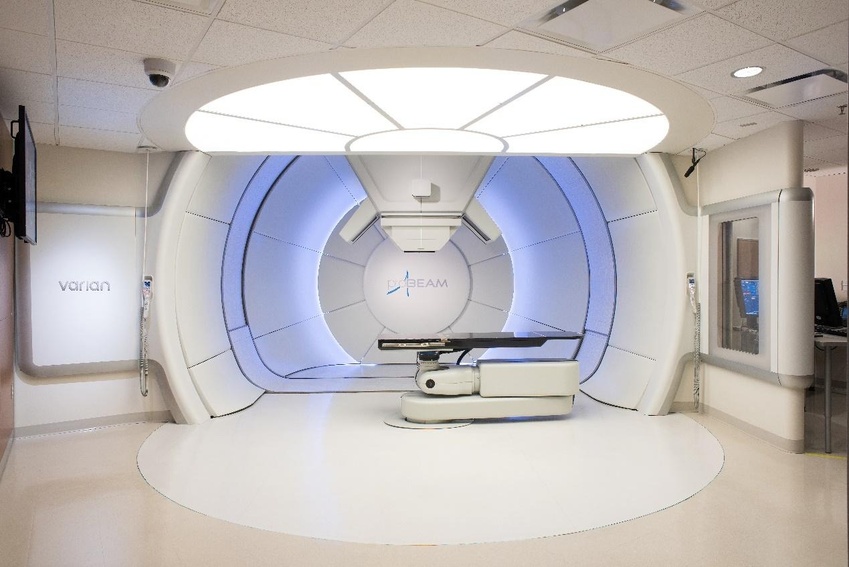
Leo Cancer Care is taking further steps to improve the treatment experience for children receiving radiation therapy. After supporting the world's first pediatric treatments using its Marie® upright positioning and imaging platform, the company has announced a dedicated pediatric program combining education, distraction techniques and gamification to create a more child-friendly treatment environment.
First pediatric treatments completed
In June 2026, Stanford Medicine performed the first treatments using the Mevion S250-FIT Proton Therapy System™, which incorporates Leo Cancer Care's Marie® upright positioning and imaging technology alongside RaySearch Laboratories' RayStation® treatment-planning system.
The initial treatments demonstrated that proton therapy in an upright position can be successfully delivered to pediatric patients across a broad range of ages. The approach also preserves the option of using anesthesia when clinicians determine that it is appropriate for an individual child.
Rethinking the position of pediatric patients
Leo Cancer Care's approach is based on rethinking the conventional configuration of radiation therapy. Traditional systems generally move the radiation beam around a patient lying on a treatment table. With the company's upright concept, the beam remains stationary while the patient, positioned in a seated or semi-standing posture, is rotated into the required treatment positions.
The upright setup may also allow children to become more engaged with the treatment process. Being seated or standing can give young patients a greater sense of participation and control, potentially helping to make an unfamiliar and intimidating procedure less stressful.
Turning treatment into an experience children can understand
The concept behind Leo Cancer Care's pediatric program is rooted in the idea that the treatment chair can become something imaginative in a child's mind—a spacecraft ready for launch or the cockpit of a racing car.
That philosophy has been incorporated into a broader pediatric experience designed to prepare and engage young patients. An augmented-reality educational platform allows children to explore the upright treatment environment using a smartphone or tablet before their first appointment. The experience is guided by Leo the Lion, a character that also appears as a soft toy introduced during the child's initial oncology visit.
The character features again in Toby's Magic Chair, a children's storybook that follows a young patient through the experience of receiving upright radiation therapy.
Leo Cancer Care has also licensed AVATAR, a system developed at Stanford Medicine. The technology uses a radiolucent display positioned within the child's field of view during treatment, providing an immersive form of distraction that may help reduce anxiety and, in some cases, decrease reliance on anesthesia.
New research and clinical guidance
A new paper titled Upright positioning in pediatric radiotherapy: rationale, safety considerations and a research roadmap has been published in Technical Innovations & Patient Support in Radiation Oncology.
The publication was produced by the Upright Radiotherapy Pediatric Task Group, an international multidisciplinary group representing radiation oncology, medical physics, radiation therapy, pediatric anesthesia and industry, including Leo Cancer Care.
According to the report, upright treatment positioning could help reduce distress among appropriately selected pediatric patients. However, the authors also emphasize that evidence specifically relating to children remains limited. The paper proposes a research agenda for evaluating upright radiotherapy in pediatric oncology and stresses the need for consistent, safety-focused clinical procedures.
Moving toward a more patient-centered approach
Children represent an important clinical population for proton therapy, yet patients who may benefit substantially from the technology have historically faced limitations in accessing it.
Leo Cancer Care's approach is intended to make radiation treatment adapt more closely to the needs of the patient rather than requiring the patient to adapt to conventional treatment arrangements. Its upright platform is designed to support access to proton therapy while also changing the physical and emotional experience children encounter during treatment.
The company says its broader objective is to make radiation therapy more human-centered by combining technological innovation with approaches that help young patients understand, participate in and feel more comfortable with their treatment.
Leo Cancer Care is presenting its latest clinical developments and its longer-term vision at the American Society for Radiation Oncology (ASTRO) 2026 Annual Meeting in Boston, where the company is exhibiting at booth 519.
First pediatric treatments completed
In June 2026, Stanford Medicine performed the first treatments using the Mevion S250-FIT Proton Therapy System™, which incorporates Leo Cancer Care's Marie® upright positioning and imaging technology alongside RaySearch Laboratories' RayStation® treatment-planning system.
The initial treatments demonstrated that proton therapy in an upright position can be successfully delivered to pediatric patients across a broad range of ages. The approach also preserves the option of using anesthesia when clinicians determine that it is appropriate for an individual child.
Rethinking the position of pediatric patients
Leo Cancer Care's approach is based on rethinking the conventional configuration of radiation therapy. Traditional systems generally move the radiation beam around a patient lying on a treatment table. With the company's upright concept, the beam remains stationary while the patient, positioned in a seated or semi-standing posture, is rotated into the required treatment positions.
The upright setup may also allow children to become more engaged with the treatment process. Being seated or standing can give young patients a greater sense of participation and control, potentially helping to make an unfamiliar and intimidating procedure less stressful.
Turning treatment into an experience children can understand
The concept behind Leo Cancer Care's pediatric program is rooted in the idea that the treatment chair can become something imaginative in a child's mind—a spacecraft ready for launch or the cockpit of a racing car.
That philosophy has been incorporated into a broader pediatric experience designed to prepare and engage young patients. An augmented-reality educational platform allows children to explore the upright treatment environment using a smartphone or tablet before their first appointment. The experience is guided by Leo the Lion, a character that also appears as a soft toy introduced during the child's initial oncology visit.
The character features again in Toby's Magic Chair, a children's storybook that follows a young patient through the experience of receiving upright radiation therapy.
Leo Cancer Care has also licensed AVATAR, a system developed at Stanford Medicine. The technology uses a radiolucent display positioned within the child's field of view during treatment, providing an immersive form of distraction that may help reduce anxiety and, in some cases, decrease reliance on anesthesia.
New research and clinical guidance
A new paper titled Upright positioning in pediatric radiotherapy: rationale, safety considerations and a research roadmap has been published in Technical Innovations & Patient Support in Radiation Oncology.
The publication was produced by the Upright Radiotherapy Pediatric Task Group, an international multidisciplinary group representing radiation oncology, medical physics, radiation therapy, pediatric anesthesia and industry, including Leo Cancer Care.
According to the report, upright treatment positioning could help reduce distress among appropriately selected pediatric patients. However, the authors also emphasize that evidence specifically relating to children remains limited. The paper proposes a research agenda for evaluating upright radiotherapy in pediatric oncology and stresses the need for consistent, safety-focused clinical procedures.
Moving toward a more patient-centered approach
Children represent an important clinical population for proton therapy, yet patients who may benefit substantially from the technology have historically faced limitations in accessing it.
Leo Cancer Care's approach is intended to make radiation treatment adapt more closely to the needs of the patient rather than requiring the patient to adapt to conventional treatment arrangements. Its upright platform is designed to support access to proton therapy while also changing the physical and emotional experience children encounter during treatment.
The company says its broader objective is to make radiation therapy more human-centered by combining technological innovation with approaches that help young patients understand, participate in and feel more comfortable with their treatment.
Leo Cancer Care is presenting its latest clinical developments and its longer-term vision at the American Society for Radiation Oncology (ASTRO) 2026 Annual Meeting in Boston, where the company is exhibiting at booth 519.
 Companies