

 TEROVA Advances Sustainable and Transparent Spice Sourcing


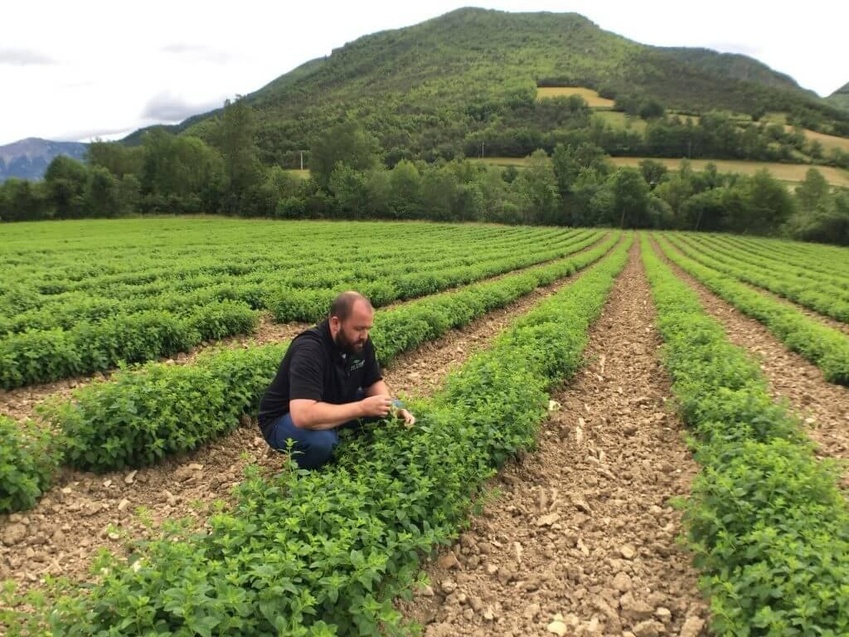
In the modern global food supply chain, transparency, product quality and environmental responsibility have become fundamental to sustainable growth. TEROVA has developed a farmer-focused sourcing model that aims to promote responsible agricultural practices while creating practical benefits for growers and the communities in which they live.
A Partnership Based on Trust and Support
Farmers who participate in the TEROVA program receive more than a conventional buyer-supplier arrangement. The program combines agricultural assistance with support for sustainable practices, human rights and community development.
Key areas of support include:
A Partnership Based on Trust and Support
Farmers who participate in the TEROVA program receive more than a conventional buyer-supplier arrangement. The program combines agricultural assistance with support for sustainable practices, human rights and community development.
Key areas of support include:
- Practical Training: Farmers receive advice on improving crop yields and meeting export-quality requirements, helping them access stronger market opportunities and better returns.
- Farming Resources: TEROVA supplies tools for Integrated Pest Management (IPM), personal protective equipment (PPE) and drying nets to encourage safer and more effective production.
- Storage and Logistics: The company oversees key logistics services, including cold storage and product testing, helping protect crop quality and preserve its market value.
- Timely and Transparent Payments: Farmers generally receive payment within 21 days. Payments are based on market prices plus a premium, with transactions recorded transparently.
- Regular Agricultural Assistance: TEROVA field personnel visit farms approximately every 10 days to assess crops, identify pest problems and provide recommendations on farming practices.
A Farmer-Focused and Traceable Process
TEROVA's sourcing system is structured to provide assistance and oversight throughout the agricultural cycle.
TEROVA's sourcing system is structured to provide assistance and oversight throughout the agricultural cycle.
- Registration and Training: Local field officers with agronomy expertise enroll farmers, conduct farm assessments and provide continuing guidance on regenerative agriculture.
- Sustainable Farming: Participating farmers follow TEROVA's recommended production practices, including the use of approved seeds and regenerative methods such as cover cropping.
- Harvesting and Quality Control: Following harvest, crops are dried using nets supplied by TEROVA. The produce is then tested and placed in monitored cold-storage facilities to maintain its quality before processing and export.
- End-to-End Traceability: Harvested spices receive QR-code identification linked to TEROVA Trace. The system provides information about the farmer and the field where the raw material was produced. Traceability information remains associated with the product throughout processing.
- Community Participation: Farmers and other community members can propose local priorities during annual Welfare Committee meetings. These committees help determine investments in community development. Previous initiatives have included shared water wells and filtration systems for schools and communities.
- Monitoring and Improvement: Internal and independent audits are used to monitor compliance with sustainability standards, including certifications such as Rainforest Alliance.
Creating Long-Term Benefits for Farmers and Communities
TEROVA's approach goes beyond sourcing crops and focuses on creating longer-term benefits at the farm and community levels.
TEROVA's approach goes beyond sourcing crops and focuses on creating longer-term benefits at the farm and community levels.
- Annual Agricultural Assistance: Participating farmers receive resources such as cover-crop seeds, tree seedlings and education focused on regenerative farming.
- Sustainability Incentives: Field officers are encouraged and rewarded for promoting regenerative agricultural practices, helping integrate environmental stewardship into routine farm support.
- Locally Directed Community Projects: Welfare Committees operating in India, Albania and Vietnam identify local priorities and help direct investments toward infrastructure and social initiatives.
- Access to Health Services: Mobile clinics provide annual health checkups for participating farmers and their families.
TEROVA's sourcing model illustrates how responsible procurement can combine supply-chain needs with support for farmers and local communities. Through agricultural training, transparent compensation, sustainability initiatives and community investments, the company seeks to maintain a dependable supply of quality spices while contributing to more resilient farming communities.
 Companies