

 ESG and Sustainable Supply Chain Management


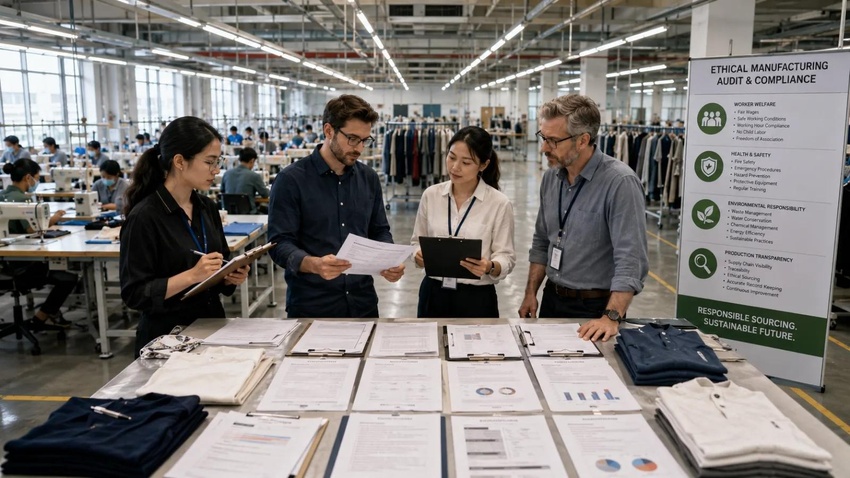
As highlighted in our 2024 Report, ESG evaluations have become an important consideration when identifying and appointing strategic business partners. These assessments are integrated into our vendor selection process to help ensure that prospective partners meet our expectations for environmental responsibility, social practices, and regulatory compliance.
The evaluation process starts with a detailed questionnaire that all prospective vendors must complete. The information collected enables us to assess potential partners more effectively and determine whether their practices are consistent with our ESG expectations. Key areas covered by the assessment include:
The evaluation process starts with a detailed questionnaire that all prospective vendors must complete. The information collected enables us to assess potential partners more effectively and determine whether their practices are consistent with our ESG expectations. Key areas covered by the assessment include:
- Health and Safety
Vendors are expected to maintain clearly defined health and safety policies, procedures, and relevant certifications. - Environmental Responsibility
Vendors must comply with applicable local environmental regulations and demonstrate efforts to improve their environmental performance. - Regulatory Compliance
Strategic partners are required to comply with applicable legal, regulatory, and statutory requirements. - Workforce Management
Vendors must provide appropriate working conditions, prohibit child labor, and comply with applicable requirements concerning employee wages and working hours. - Quality and Certifications
Vendors are expected to meet Caesarstone's quality requirements and maintain appropriate certifications. This includes practices such as quality inspections, internal audits, and processes for resolving customer concerns. Relevant certifications may include ISO 9001:2015 quality management systems, National Sanitation Foundation (NSF) Safety certification, GREENGUARD certification for low chemical emissions, and Global Recycled Standard (GRS) certification addressing environmental, social, and chemical requirements across the value chain.
Enhancing ESG Performance Among Strategic Business Partners
We maintain close relationships with our supply chain partners to help ensure that they meet our required standards while encouraging continuous improvement in their ESG performance. Several measures have been established to support this objective:
We maintain close relationships with our supply chain partners to help ensure that they meet our required standards while encouraging continuous improvement in their ESG performance. Several measures have been established to support this objective:
- A dedicated full-time strategic business partner manager in Israel oversees partner relationships and monitors compliance with applicable requirements.
- Regular on-site audits are carried out at strategic business partner facilities to verify that required standards continue to be maintained.
- Where necessary, strategic business partners are required to implement essential standards, procedures, and processes and to maintain all relevant certifications.
Applying the Global SMETA Standard
During 2024, social and environmental audits were conducted across all strategic business partners using the globally recognized SMETA standard. These assessments provided an additional means of evaluating partners' sustainability practices and identifying opportunities for improvement.
The results of the SMETA audits were systematically reviewed, with any identified non-compliance incorporated into corrective action plans for the relevant strategic business partners. Particular attention is given to issues involving forced labor and child labor, as Caesarstone maintains a zero-tolerance approach toward such violations.
Monitoring ESG Performance Across the Supply Chain
During the year, we strengthened our focus on monitoring ESG performance across our broader value chain. These efforts are creating a foundation for deeper engagement with strategic partners and for establishing more effective ways of measuring and improving ESG performance as part of our wider sustainability strategy.
We have established processes and systems for tracking environmental indicators including electricity, fuel, and water consumption, along with waste management and raw material utilization. By extending these expectations to our strategic business partners, we aim to promote the same high environmental standards throughout the supply chain that we apply within our own operations and that our stakeholders expect from us.
As our ESG management framework continues to develop and we work toward our sustainability objectives, we recognize that managing an extended supply chain also carries a responsibility to promote strong environmental performance, protect worker health and safety, and strengthen governance through effective monitoring and continuous improvement.
During 2024, social and environmental audits were conducted across all strategic business partners using the globally recognized SMETA standard. These assessments provided an additional means of evaluating partners' sustainability practices and identifying opportunities for improvement.
The results of the SMETA audits were systematically reviewed, with any identified non-compliance incorporated into corrective action plans for the relevant strategic business partners. Particular attention is given to issues involving forced labor and child labor, as Caesarstone maintains a zero-tolerance approach toward such violations.
Monitoring ESG Performance Across the Supply Chain
During the year, we strengthened our focus on monitoring ESG performance across our broader value chain. These efforts are creating a foundation for deeper engagement with strategic partners and for establishing more effective ways of measuring and improving ESG performance as part of our wider sustainability strategy.
We have established processes and systems for tracking environmental indicators including electricity, fuel, and water consumption, along with waste management and raw material utilization. By extending these expectations to our strategic business partners, we aim to promote the same high environmental standards throughout the supply chain that we apply within our own operations and that our stakeholders expect from us.
As our ESG management framework continues to develop and we work toward our sustainability objectives, we recognize that managing an extended supply chain also carries a responsibility to promote strong environmental performance, protect worker health and safety, and strengthen governance through effective monitoring and continuous improvement.
 Companies