

 Western Wear Market to Reach $2.41 Trillion by 2035


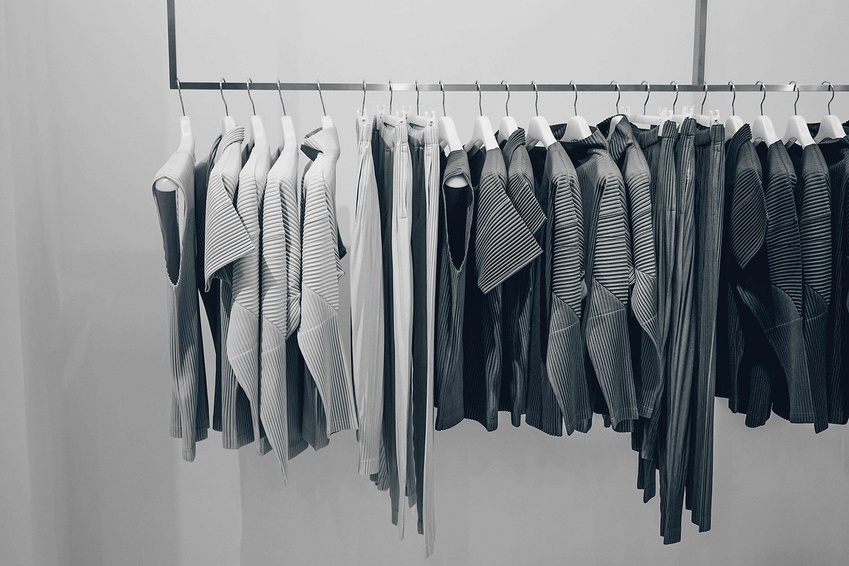
Allied Market Research has released a new report titled “Western Wear Market by Product (Apparel and Footwear), Type (Casual and Formal), Distribution Channel (Online Platforms, Specialty Stores, Supermarkets, Hypermarkets, and Brand Outlets), and End User (Men, Women, and Kids): Global Opportunity Analysis and Industry Forecast, 2026–2035.”
According to the study, the global western wear market was valued at $1.55 trillion in 2025 and is projected to reach $2.41 trillion by 2035, registering a CAGR of 4.5% during the forecast period.
The western wear industry continues to gain momentum across a wide range of consumer groups, including men, women, and children, as demand for contemporary fashion and lifestyle-focused clothing increases. The sector is supported by a vast network of apparel and footwear manufacturers, textile suppliers, retailers, e-commerce platforms, logistics providers, and omnichannel distribution systems. Product offerings span casual and formal clothing, denim, dresses, shirts, jackets, sneakers, boots, and fashion-oriented footwear designed to suit everyday wear, professional environments, special occasions, and premium lifestyle preferences.
Growing consumer interest in fast fashion, evolving workplace dress norms, expanding online retail channels, and a rising preference for comfortable yet trendy apparel are fueling market growth worldwide. Additional factors such as increasing urbanization, higher disposable incomes, greater participation of women in the workforce, and stronger adoption of western fashion among Millennials and Gen Z consumers are further strengthening demand.
Market expansion is also being driven by the rising popularity of casual apparel, western-inspired footwear, and digitally enabled retail experiences. Brands are increasingly investing in omnichannel strategies, AI-powered personalization, influencer marketing, sustainability initiatives, and premium product lines to enhance customer engagement and drive sales. Strong demand across North America and Europe, combined with rapid growth in Asia-Pacific and other emerging markets, continues to support the sector’s upward trajectory.
Market Overview
The western wear market encompasses the design, production, distribution, and retail of modern fashion products inspired by Western and global lifestyle trends. This includes a broad range of apparel such as T-shirts, shirts, tops, blouses, jeans, trousers, dresses, skirts, jackets, casualwear, and formalwear, as well as footwear categories including sneakers, boots, casual shoes, formal shoes, and fashion footwear.
Industry growth is largely supported by rising urban populations, growing purchasing power, changing workplace attire expectations, and increasing exposure to international fashion trends through social media, digital platforms, and celebrity influence. The expansion of fast-fashion retailers, direct-to-consumer brands, and e-commerce ecosystems has improved product accessibility while encouraging more frequent purchasing behavior.
Fashion companies are increasingly focusing on rapid product development, faster time-to-market, premium positioning, and digital transformation. The growing popularity of athleisure, denim, casual apparel, sneakers, and lifestyle footwear continues to shape market dynamics. Advanced technologies such as AI-driven recommendations, predictive analytics, virtual fitting tools, and customer behavior insights are enhancing retail performance and consumer experiences.
Despite strong growth prospects, the industry faces challenges including intense competition, pricing pressures, fluctuating raw material costs, supply chain disruptions, and the continued popularity of traditional ethnic wear in certain regions. Nevertheless, opportunities remain abundant through sustainable fashion initiatives, premiumization trends, expansion into emerging markets, and growing digital engagement.
Key Segment Insights
According to the study, the global western wear market was valued at $1.55 trillion in 2025 and is projected to reach $2.41 trillion by 2035, registering a CAGR of 4.5% during the forecast period.
The western wear industry continues to gain momentum across a wide range of consumer groups, including men, women, and children, as demand for contemporary fashion and lifestyle-focused clothing increases. The sector is supported by a vast network of apparel and footwear manufacturers, textile suppliers, retailers, e-commerce platforms, logistics providers, and omnichannel distribution systems. Product offerings span casual and formal clothing, denim, dresses, shirts, jackets, sneakers, boots, and fashion-oriented footwear designed to suit everyday wear, professional environments, special occasions, and premium lifestyle preferences.
Growing consumer interest in fast fashion, evolving workplace dress norms, expanding online retail channels, and a rising preference for comfortable yet trendy apparel are fueling market growth worldwide. Additional factors such as increasing urbanization, higher disposable incomes, greater participation of women in the workforce, and stronger adoption of western fashion among Millennials and Gen Z consumers are further strengthening demand.
Market expansion is also being driven by the rising popularity of casual apparel, western-inspired footwear, and digitally enabled retail experiences. Brands are increasingly investing in omnichannel strategies, AI-powered personalization, influencer marketing, sustainability initiatives, and premium product lines to enhance customer engagement and drive sales. Strong demand across North America and Europe, combined with rapid growth in Asia-Pacific and other emerging markets, continues to support the sector’s upward trajectory.
Market Overview
The western wear market encompasses the design, production, distribution, and retail of modern fashion products inspired by Western and global lifestyle trends. This includes a broad range of apparel such as T-shirts, shirts, tops, blouses, jeans, trousers, dresses, skirts, jackets, casualwear, and formalwear, as well as footwear categories including sneakers, boots, casual shoes, formal shoes, and fashion footwear.
Industry growth is largely supported by rising urban populations, growing purchasing power, changing workplace attire expectations, and increasing exposure to international fashion trends through social media, digital platforms, and celebrity influence. The expansion of fast-fashion retailers, direct-to-consumer brands, and e-commerce ecosystems has improved product accessibility while encouraging more frequent purchasing behavior.
Fashion companies are increasingly focusing on rapid product development, faster time-to-market, premium positioning, and digital transformation. The growing popularity of athleisure, denim, casual apparel, sneakers, and lifestyle footwear continues to shape market dynamics. Advanced technologies such as AI-driven recommendations, predictive analytics, virtual fitting tools, and customer behavior insights are enhancing retail performance and consumer experiences.
Despite strong growth prospects, the industry faces challenges including intense competition, pricing pressures, fluctuating raw material costs, supply chain disruptions, and the continued popularity of traditional ethnic wear in certain regions. Nevertheless, opportunities remain abundant through sustainable fashion initiatives, premiumization trends, expansion into emerging markets, and growing digital engagement.
Key Segment Insights
- Product: Apparel held the largest market share in 2025 due to its broad product range and frequent consumer purchases. Footwear is expected to experience faster growth, supported by increasing demand for sneakers, boots, and premium casual footwear.
- Type: Casual wear dominates the market, driven by comfort-focused fashion trends, hybrid work environments, and growing demand for denim and athleisure-inspired clothing. Formal wear maintains a stable presence due to ongoing demand for professional and occasion-based attire.
- End User: Women represent the largest consumer segment, benefiting from higher purchasing frequency and a wider product selection. Men remain a significant contributor, while the kids segment is steadily expanding due to rising spending on branded fashion products.
- Distribution Channel: Specialty stores and brand outlets continue to command a major share, while online platforms are among the fastest-growing channels due to e-commerce growth, social commerce, personalization technologies, and omnichannel retail integration.
Technology and Innovation Driving Growth
Digital transformation is reshaping the western wear industry by enabling highly personalized shopping experiences and more efficient retail operations. AI technologies are increasingly used for demand forecasting, inventory management, trend prediction, pricing optimization, and product recommendations. Virtual try-on solutions, interactive shopping tools, and advanced analytics are helping brands improve customer satisfaction while reducing product return rates.
Data-driven decision-making has become essential for product development, merchandising, inventory planning, and marketing effectiveness. The integration of e-commerce, CRM systems, digital marketing platforms, and omnichannel retail infrastructure is allowing brands to deliver seamless shopping experiences across multiple touchpoints.
Additionally, social commerce, influencer marketing, mobile shopping, automated fulfillment systems, and direct-to-consumer models are helping companies improve operational efficiency and strengthen customer relationships.
Regional Analysis
North America remains one of the largest and most mature markets, supported by high consumer spending, strong brand presence, developed retail infrastructure, and widespread adoption of casual fashion.
Europe continues to be a fashion-forward market characterized by strong demand for premium and sustainable products, a thriving fast-fashion ecosystem, and increasing focus on ethical sourcing and circular fashion initiatives.
Asia-Pacific is projected to be the fastest-growing region, fueled by rapid urbanization, expanding middle-class populations, rising disposable incomes, and growing influence of international fashion trends. Countries such as China, India, Japan, South Korea, and Australia are witnessing strong growth in western apparel and footwear consumption.
LAMEA is emerging as a promising market due to increasing fashion awareness, expanding retail networks, and rising demand for branded products. The Middle East, in particular, is benefiting from luxury fashion demand and premium retail development.
Competitive Landscape
Major companies operating in the western wear industry include Inditex (Zara), H&M, Gap Inc., Mango, Marks & Spencer, Benetton Group, Diesel, Forever 21, Alvies Boot Company, Dixon Boots, Hevias, and Olesen-Stelzer.
Recent strategic developments include:
Digital transformation is reshaping the western wear industry by enabling highly personalized shopping experiences and more efficient retail operations. AI technologies are increasingly used for demand forecasting, inventory management, trend prediction, pricing optimization, and product recommendations. Virtual try-on solutions, interactive shopping tools, and advanced analytics are helping brands improve customer satisfaction while reducing product return rates.
Data-driven decision-making has become essential for product development, merchandising, inventory planning, and marketing effectiveness. The integration of e-commerce, CRM systems, digital marketing platforms, and omnichannel retail infrastructure is allowing brands to deliver seamless shopping experiences across multiple touchpoints.
Additionally, social commerce, influencer marketing, mobile shopping, automated fulfillment systems, and direct-to-consumer models are helping companies improve operational efficiency and strengthen customer relationships.
Regional Analysis
North America remains one of the largest and most mature markets, supported by high consumer spending, strong brand presence, developed retail infrastructure, and widespread adoption of casual fashion.
Europe continues to be a fashion-forward market characterized by strong demand for premium and sustainable products, a thriving fast-fashion ecosystem, and increasing focus on ethical sourcing and circular fashion initiatives.
Asia-Pacific is projected to be the fastest-growing region, fueled by rapid urbanization, expanding middle-class populations, rising disposable incomes, and growing influence of international fashion trends. Countries such as China, India, Japan, South Korea, and Australia are witnessing strong growth in western apparel and footwear consumption.
LAMEA is emerging as a promising market due to increasing fashion awareness, expanding retail networks, and rising demand for branded products. The Middle East, in particular, is benefiting from luxury fashion demand and premium retail development.
Competitive Landscape
Major companies operating in the western wear industry include Inditex (Zara), H&M, Gap Inc., Mango, Marks & Spencer, Benetton Group, Diesel, Forever 21, Alvies Boot Company, Dixon Boots, Hevias, and Olesen-Stelzer.
Recent strategic developments include:
- Inditex (Zara) expanded its use of AI-driven forecasting, inventory optimization, and digital supply chain technologies to improve responsiveness and efficiency.
- H&M strengthened its sustainability initiatives through increased use of recycled materials and enhanced garment recycling programs.
- Mango accelerated global expansion and omnichannel investments to improve customer accessibility and digital engagement.
- Marks & Spencer focused on enhancing product quality, customer loyalty programs, and data-driven merchandising capabilities.
With continued innovation in retail technology, sustainable product development, premium fashion offerings, and digital engagement strategies, the western wear market is expected to maintain steady growth throughout the forecast period.
 Companies