

 Baker Hughes Cuts Offshore Fuel Use by 35%


Baker Hughes is pursuing a range of technologies, operational improvements, and innovative initiatives as part of its sustainability strategy. By improving the efficiency of its operations and reducing emissions, the company aims to lessen its environmental footprint while supporting the transition toward a more sustainable future.
The company’s 2025 Corporate Sustainability Report highlights programs and initiatives focused on reducing both direct and indirect operational emissions. One project carried out during 2025 demonstrates how targeted operational changes can deliver measurable environmental and financial benefits.
Improving Offshore Operations in Brazil and North America
Baker Hughes launched Carbon Out in 2022 as a global employee engagement program intended to encourage employees to identify and implement more sustainable ways of working. The initiative brings together expertise from across the energy industry to develop solutions for reducing operational and value-chain emissions.
Through Carbon Out, employees have access to funding, resources, and practical tools that can help turn ideas for emissions reductions into operational projects.
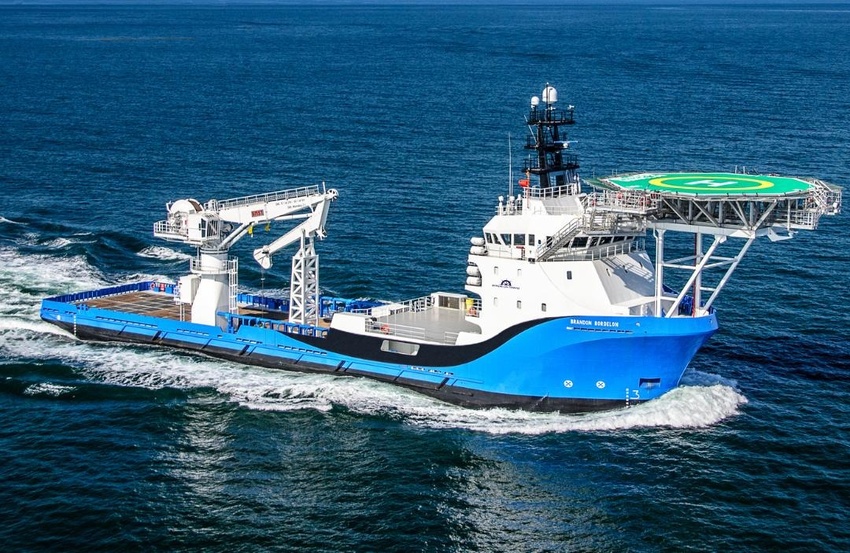
One such effort came from the Carbon Out Pressure Pumping team, which identified an opportunity to reduce fuel consumption associated with Dynamic Positioning (DP) operations aboard three offshore vessels.
The team introduced Variable Frequency Mode (VFM) to integrated stimulation vessels as a way of managing energy consumption more efficiently during offshore activities. The approach was designed to improve vessel efficiency while reducing the associated environmental impact.
The technology was first implemented aboard the Blue Marlin in Brazil in April 2023. In 2025, the initiative was extended to two North American vessels, the Blue Dolphin and Blue Tarpon.
Following the implementation, fuel consumption on each vessel was reduced by 35%, resulting in corresponding emissions reductions as well as cost savings.
The project also supported operational and regulatory performance. All three vessels received new Safety Management Certificates from ABS, demonstrating their continued focus on meeting regulatory requirements and maintaining high operational standards.
The initiative illustrates how employee-led sustainability programs can translate into practical changes in offshore operations, combining greater energy efficiency with emissions reduction and cost benefits.
The company’s 2025 Corporate Sustainability Report highlights programs and initiatives focused on reducing both direct and indirect operational emissions. One project carried out during 2025 demonstrates how targeted operational changes can deliver measurable environmental and financial benefits.
Improving Offshore Operations in Brazil and North America
Baker Hughes launched Carbon Out in 2022 as a global employee engagement program intended to encourage employees to identify and implement more sustainable ways of working. The initiative brings together expertise from across the energy industry to develop solutions for reducing operational and value-chain emissions.
Through Carbon Out, employees have access to funding, resources, and practical tools that can help turn ideas for emissions reductions into operational projects.
One such effort came from the Carbon Out Pressure Pumping team, which identified an opportunity to reduce fuel consumption associated with Dynamic Positioning (DP) operations aboard three offshore vessels.
The team introduced Variable Frequency Mode (VFM) to integrated stimulation vessels as a way of managing energy consumption more efficiently during offshore activities. The approach was designed to improve vessel efficiency while reducing the associated environmental impact.
The technology was first implemented aboard the Blue Marlin in Brazil in April 2023. In 2025, the initiative was extended to two North American vessels, the Blue Dolphin and Blue Tarpon.
Following the implementation, fuel consumption on each vessel was reduced by 35%, resulting in corresponding emissions reductions as well as cost savings.
The project also supported operational and regulatory performance. All three vessels received new Safety Management Certificates from ABS, demonstrating their continued focus on meeting regulatory requirements and maintaining high operational standards.
The initiative illustrates how employee-led sustainability programs can translate into practical changes in offshore operations, combining greater energy efficiency with emissions reduction and cost benefits.
 Companies