

 PBF Energy Advances Renewable Diesel and Waste Reduction Efforts


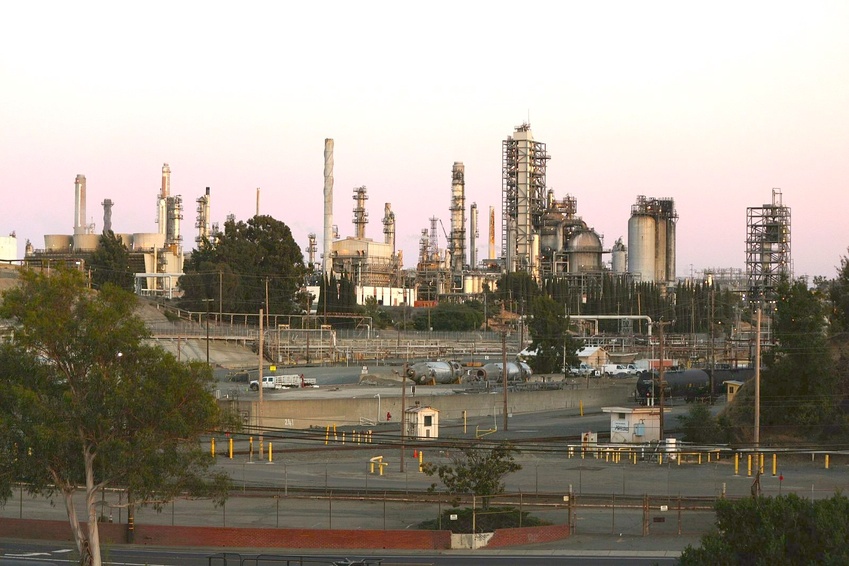
In 2023, PBF Energy achieved a major milestone with the successful launch of Saint Bernard Renewables (SBR), strengthening its portfolio of lower-carbon fuel solutions. SBR is a joint venture between PBF Energy and Enilive S.p.A. and operates as a biorefinery with both a pre-treatment unit and a renewable diesel unit (RDU). The facility has the capacity to produce up to 306 million gallons of renewable diesel annually. Fully operational since June 2023, SBR underscores PBF Energy’s ongoing commitment to expanding diversified energy offerings while reducing the carbon intensity of its products.
Situated within the Chalmette refinery complex, the SBR RDU converts organic feedstocks—including used cooking oil, animal fats, and vegetable oils—into premium renewable diesel. This fuel is chemically comparable to conventional petroleum diesel but has a lower lifecycle greenhouse gas footprint, supporting emissions reduction efforts for both PBF Energy and its customers.
With a daily production capability of 840,000 gallons, SBR positions PBF Energy among the top renewable diesel producers in the United States. The unit uses advanced hydroprocessing technology that allows flexibility in feedstock selection while delivering the energy density and performance characteristics customers expect from traditional diesel fuels.
Environmental and Economic Impact
The RDU is a key component of PBF Energy’s resilience and sustainability strategy, showcasing the company’s focus on innovations that will shape the future energy landscape. Since startup, SBR has processed hundreds of millions of gallons of organic materials into renewable diesel that meets strict environmental requirements such as the California Low Carbon Fuel Standard and the Renewable Fuel Standard. The facility also supports waste reuse initiatives, cleaner air outcomes, and healthier local communities.
Beyond environmental advantages, the project has generated economic value for the region. Construction supported more than 200 jobs, and ongoing operations have created about 20 direct refinery roles along with an estimated 90 indirect jobs across St. Bernard Parish and surrounding areas.
Strategic Alignment
The RDU represents a strategic infrastructure investment that reflects PBF Energy’s purpose-driven approach to energy development. By integrating next-generation fuels into its operations, the company is building long-term stakeholder value and contributing to a more resilient energy system.
“Finalizing this strategic collaboration with Eni Sustainable Mobility, a global biorefining leader, reinforces our commitment to providing diverse energy solutions while reducing the carbon intensity of our products,” said Matthew Lucey, President of PBF Energy at the time of the statement
Waste Management
PBF Energy is dedicated to minimizing waste across its operations through source reduction and robust materials management practices. The company implements extensive recycling and reuse programs, including a catalyst recycling initiative in which catalysts containing valuable metals such as molybdenum and platinum are regenerated or reclaimed. In 2024, this program diverted more than 3.9 million pounds of catalyst metals from landfills, delivering both cost savings and operational benefits. Each refinery maintains comprehensive waste segregation systems to ensure safe handling and regulatory compliance for both hazardous and non-hazardous materials.
The company also participates in the Oil-Bearing Hazardous Secondary Material (OBHSM) exemption program, which recovers usable oil products from materials that would otherwise be discarded. In 2024, more than 10 million pounds of OBHSM were processed for recovery, reducing environmental impacts and improving resource efficiency.
Additionally, PBF Energy recycles construction-related materials. In 2024, approximately 3.5 million pounds of scrap metal, 1.4 million pounds of concrete, and 0.2 million pounds of asphalt were recycled and reused in infrastructure and manufacturing applications, reducing landfill use and conserving natural resources.
Total Waste Generated and Recycled
Situated within the Chalmette refinery complex, the SBR RDU converts organic feedstocks—including used cooking oil, animal fats, and vegetable oils—into premium renewable diesel. This fuel is chemically comparable to conventional petroleum diesel but has a lower lifecycle greenhouse gas footprint, supporting emissions reduction efforts for both PBF Energy and its customers.
With a daily production capability of 840,000 gallons, SBR positions PBF Energy among the top renewable diesel producers in the United States. The unit uses advanced hydroprocessing technology that allows flexibility in feedstock selection while delivering the energy density and performance characteristics customers expect from traditional diesel fuels.
Environmental and Economic Impact
The RDU is a key component of PBF Energy’s resilience and sustainability strategy, showcasing the company’s focus on innovations that will shape the future energy landscape. Since startup, SBR has processed hundreds of millions of gallons of organic materials into renewable diesel that meets strict environmental requirements such as the California Low Carbon Fuel Standard and the Renewable Fuel Standard. The facility also supports waste reuse initiatives, cleaner air outcomes, and healthier local communities.
Beyond environmental advantages, the project has generated economic value for the region. Construction supported more than 200 jobs, and ongoing operations have created about 20 direct refinery roles along with an estimated 90 indirect jobs across St. Bernard Parish and surrounding areas.
Strategic Alignment
The RDU represents a strategic infrastructure investment that reflects PBF Energy’s purpose-driven approach to energy development. By integrating next-generation fuels into its operations, the company is building long-term stakeholder value and contributing to a more resilient energy system.
“Finalizing this strategic collaboration with Eni Sustainable Mobility, a global biorefining leader, reinforces our commitment to providing diverse energy solutions while reducing the carbon intensity of our products,” said Matthew Lucey, President of PBF Energy at the time of the statement
Waste Management
PBF Energy is dedicated to minimizing waste across its operations through source reduction and robust materials management practices. The company implements extensive recycling and reuse programs, including a catalyst recycling initiative in which catalysts containing valuable metals such as molybdenum and platinum are regenerated or reclaimed. In 2024, this program diverted more than 3.9 million pounds of catalyst metals from landfills, delivering both cost savings and operational benefits. Each refinery maintains comprehensive waste segregation systems to ensure safe handling and regulatory compliance for both hazardous and non-hazardous materials.
The company also participates in the Oil-Bearing Hazardous Secondary Material (OBHSM) exemption program, which recovers usable oil products from materials that would otherwise be discarded. In 2024, more than 10 million pounds of OBHSM were processed for recovery, reducing environmental impacts and improving resource efficiency.
Additionally, PBF Energy recycles construction-related materials. In 2024, approximately 3.5 million pounds of scrap metal, 1.4 million pounds of concrete, and 0.2 million pounds of asphalt were recycled and reused in infrastructure and manufacturing applications, reducing landfill use and conserving natural resources.
Total Waste Generated and Recycled
| Year | Total Waste Generated (tonnes) | Total Waste Recycled (tonnes) |
|---|---|---|
| 2022 | 95,699 | 29,500 |
| 2023 | 107,842 | 22,700 |
| 2024 | 186,379 | 56,494 |
Waste volumes vary annually due to scheduled maintenance and cleaning activities.
Water Resource Management
PBF Energy applies a comprehensive approach to water stewardship, focusing on responsible use, conservation, and efficiency improvements. The company monitors water withdrawal, consumption, and discharge to identify opportunities for optimization and prioritizes reuse for non-potable applications such as cleaning and cooling. Through monitoring, recycling, and treatment programs, PBF Energy ensures compliance with regulatory requirements and supports the health of local water ecosystems.
Total Freshwater Withdrawn
Water Resource Management
PBF Energy applies a comprehensive approach to water stewardship, focusing on responsible use, conservation, and efficiency improvements. The company monitors water withdrawal, consumption, and discharge to identify opportunities for optimization and prioritizes reuse for non-potable applications such as cleaning and cooling. Through monitoring, recycling, and treatment programs, PBF Energy ensures compliance with regulatory requirements and supports the health of local water ecosystems.
Total Freshwater Withdrawn
| Year | Total Freshwater Withdrawn (thousand cubic meters) | Percentage in High/Extremely High Water-Stress Regions |
|---|---|---|
| 2022 | 210,000 | 2.9% |
| 2023 | 200,000 | 9.1% |
| 2024 | 179,000 | 8.3% |
 Companies