

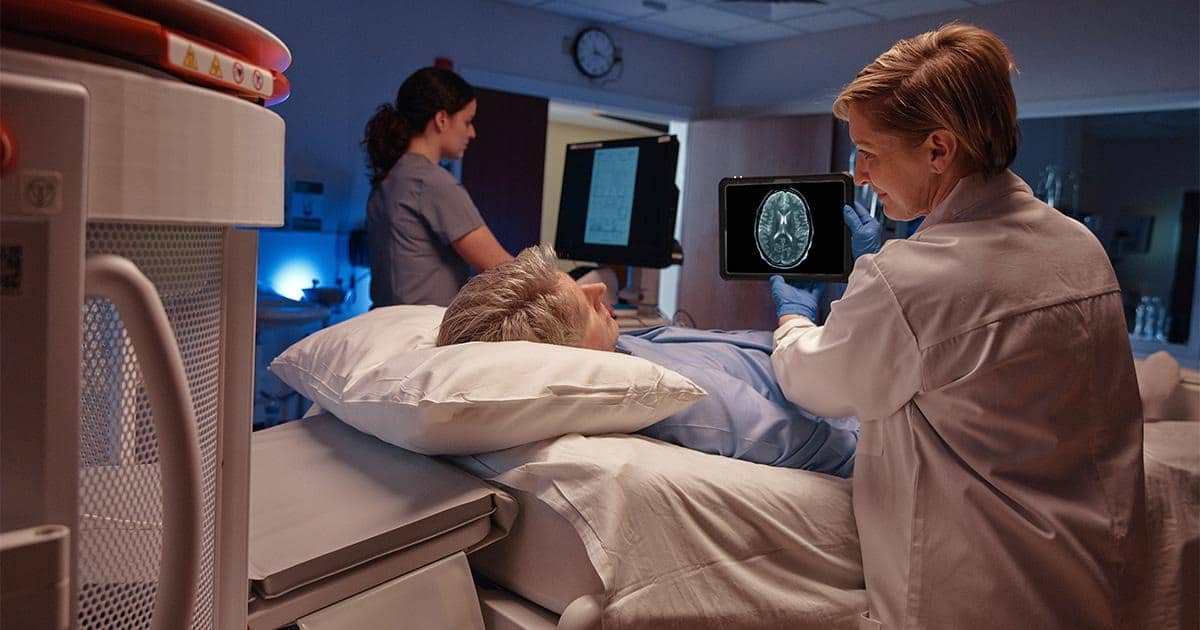
Medtronic Human-Centered Design Puts Patients and Clinicians at the Centre of Healthcare Innovation
Medtronic human-centered design places the experiences of patients and healthcare professionals at the heart of medical technology development. Rather than concentrating exclusively on technical performance, the approach considers how devices fit into people’s lives, how clinicians use them and where technology can reduce the physical and cognitive demands of healthcare.
Medtronic applies these principles across different areas of medicine, from neurological conditions and pelvic health to cardiac care and robotic-assisted surgery. The company’s examples show how listening to patients, observing clinical workflows and understanding everyday challenges can influence the design of medical devices and the systems surrounding them.
Designing Medical Devices Around Patients’ Everyday Lives
For Medtronic, understanding the patient experience means considering more than whether a device can perform its intended medical function. Its design must also account for how people feel about living with the technology and how treatment fits into their daily routines.
Thimmesch-Gill, who has applied human-centered design principles across conditions including Parkinson’s disease and pelvic health, points to the Altaviva™ bladder control implant as one example.
The device is intended for patients with urge urinary incontinence. Approximately the size of a flash drive, it is implanted near the ankle in an outpatient procedure.
Many people experience symptoms for years without seeking treatment, according to Thimmesch-Gill. She said the procedure’s outpatient nature and the ability for patients to drive themselves to and from the clinic can help make treatment feel more manageable.
“They can drive themselves to the clinic, they can drive themselves home,” she said. The device gives doctors an option they can explain to patients as a treatment that need not prevent them from returning to everyday responsibilities, such as collecting children from daycare.
Patient feedback influences future device development
The experience of living with an implanted device also shaped the design considerations for Altaviva.
Patient Sandra Watt said that having an inconspicuous device was important to her. She also described how Medtronic contacted her to gather feedback about her experience.
“I had an interview, a FaceTime interview with someone that did precisely that, collected information from my experience so they could design better in the future,” Watt said.
The feedback process illustrates how patient experiences can inform subsequent product development, rather than limiting patient involvement to the initial stages of treatment.
Micra Leadless Pacemaker Focuses on the Patient Experience
The Micra™ leadless pacemaker offers another example of how design decisions can change the experience of receiving and living with medical technology.
Described by Medtronic as the world’s smallest pacemaker, Micra is implanted directly into the heart. According to Gelfman, it provides a therapeutic function similar to that of a conventional transvenous pacemaker, which is connected to the heart through veins using thin, flexible wires known as leads.
The leadless design removes the need for those leads. This eliminates a potential source of complications associated with them. Its small size also means patients do not have the same visible reminder of an implanted device on their chest, such as a bulge or scar.
Gelfman said the design philosophy involves asking where a product can deliver greater value to the people using it. Sometimes, that does not require changing the underlying therapy or diagnostic capability. Instead, improvements can come from making treatment easier and less intrusive.
Understanding Clinicians’ Workflows to Improve Healthcare Technology
Human-centered design extends beyond patients. Doctors, nurses and other healthcare professionals also interact with medical technology every day, and their needs can influence whether a product works effectively in real clinical environments.
Steven Nelson, who works in upstream marketing at Medtronic’s Electrophysiology Therapies business, focuses on how technologies such as the LINQ family of insertable cardiac monitors can continue to meet the needs of both patients and clinicians.
The Medtronic LINQ insertable cardiac monitor (ICM) is approximately one-third the size of a AAA battery. It continuously monitors the heart for up to several years to help detect abnormal heart rhythms.
Nelson’s team studies how patients and healthcare professionals interact with devices and associated software. This includes identifying inefficient processes, points of confusion and tasks that consume unnecessary time.
“We might have the best solution in the world,” Nelson said. “But if we don’t understand how this is going to fit into the world of the person we’re trying to give it to, we’ve missed the mark entirely.”
Recognising the role of nurses in cardiac monitoring
One important finding from the team’s work was that the person making decisions about a medical device is not necessarily the person who handles most of its day-to-day operation.
Doctors may select a cardiac monitoring device for a patient, but nurses often carry out much of the ongoing work involved in patient care. This includes using platforms such as the Medtronic CareLink™ Network, a secure remote monitoring platform through which clinicians can receive and review data from compatible Medtronic cardiac devices and manage patients between appointments.
Nelson described how nurses in one example reviewed pages of heart-monitor data for individual patients every day. They felt they had to examine every line to identify potential warning signs, including arrhythmias, or abnormal heart rhythms.
After observing these workflows in hospital settings, Nelson’s team brought the findings back to Medtronic. Employees began investigating ways to help clinicians review cardiac data more efficiently and prioritise the information requiring attention.
Medtronic also launched its AccuRhythm™ AI algorithms for the Reveal LINQ and LINQ II insertable cardiac monitors. The company says these algorithms have saved clinicians hundreds of hours previously spent reviewing false alerts.
The example highlights how improving the way information is presented and prioritised can reduce the workload associated with a medical device, even when its core monitoring function remains unchanged.
Hugo Robotic Surgery System Designed Around Operating Room Needs
Human-centered design also informed the development of Medtronic’s Hugo™ robotic-assisted surgery system, a platform designed for soft-tissue surgical procedures.
The design process began with an examination of operating room workflows. Clinical and human factors engineers, together with industrial designers, considered how surgical teams work, how many people need to occupy the room, how doctors access patients and where equipment should be positioned.
These questions matter because surgeons can experience physical strain during lengthy procedures. Repetitive movements, extended periods standing and complex technology interfaces can all add to the demands of operating.
Ergonomics and accessibility built into the design
Joe Cesa, who leads the User Centered Design Team for Medtronic’s Surgical business, said the Hugo system was designed to accommodate surgeons with a range of physical characteristics.
The team considered users between 4 feet 11 inches and 6 feet 2 inches tall. It also accounted for differences in handedness and potential physical impairments, including hearing and vision loss.
Cesa has described the challenge of designing technology for people whose behaviour cannot be predicted as consistently as that of engineered systems. Understanding human behaviour, he said, helps the team anticipate how users might interact with a product.
The resulting design considerations range from seemingly small details, such as the placement, colour and sound of buttons, to broader features involving ergonomic support and communication among operating room teams.
The aim is to make the system work within the realities of surgical practice, rather than expecting clinicians to adapt unnecessarily to the technology.
Why Empathy Matters in Medical Technology Development
The examples across Medtronic’s product portfolio demonstrate how human-centered design can address different kinds of challenges.
For patients, it can mean considering the visibility and practical impact of an implanted device. For nurses, it can involve reducing the time spent reviewing large volumes of monitoring data. For surgeons, it can mean designing equipment that better accommodates their physical needs and the demands of an operating room.
Thimmesch-Gill said that reports, presentations and training materials cannot fully convey the difficulties people face when using healthcare technology. Observing someone struggling with a task provides a different understanding of the burden involved.
Gelfman similarly emphasised that the ultimate purpose of medical technology is not simply to create a new product.
“The materialization is not the goal,” Gelfman said. “The goal is people’s lives, how they live and how they work.”
For Medtronic, that principle places patients and healthcare professionals at the centre of innovation. By incorporating their experiences into design and development, the company aims to create technologies that address not only clinical requirements but also the practical realities of receiving and delivering care.