

 China-Egypt Partnership Advances Solar Energy Innovation


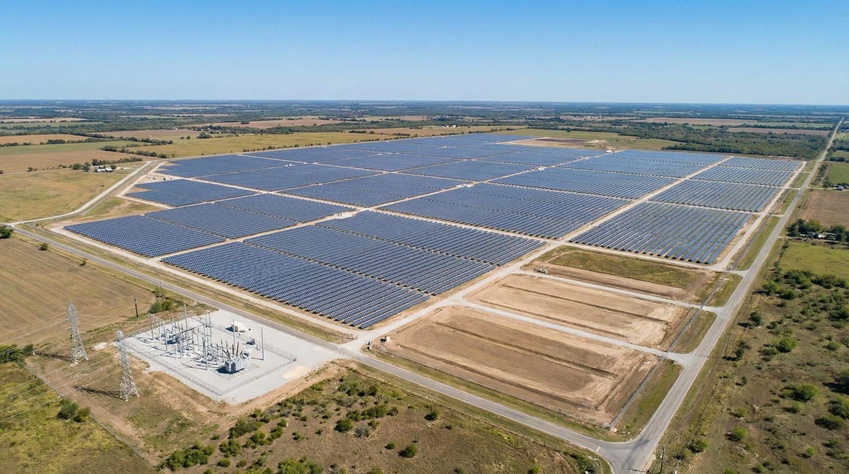
On Karaman Island in Sohag, southern Egypt, photovoltaic (PV) panels line the rooftops of the PV Research and Development Base operated by Egypt’s Academy of Scientific Research and Technology (ASRT). The panels capture solar radiation and convert it into clean electricity.
The facility forms part of the China-Egypt Belt and Road Joint Laboratory on Renewable Energy, which has played a central role in strengthening Egypt’s domestic solar technology capabilities. Mohamed Zahran, an ASRT professor, highlighted several important milestones achieved through the laboratory, describing them as significant national “firsts.”
In October 2023, Egypt successfully produced its first domestically manufactured half-cut solar cell. The following month, the country achieved another milestone by producing its first locally manufactured high-efficiency half-cell solar module.
Zahran explained that the joint laboratory was instrumental in enabling these breakthroughs. By providing the necessary technical infrastructure, research capabilities, and production support, it helped Egyptian researchers move toward greater technological independence and local manufacturing.
Establishing a Complete Solar R&D and Manufacturing Platform
Before the joint laboratory was established, Egypt’s photovoltaic industry encountered several major obstacles, according to Zahran. The country lacked standardized research facilities, comprehensive manufacturing equipment, and sufficiently developed production technologies and technical systems.
Because solar cells were almost entirely imported, Egyptian research teams had limited opportunities to conduct practical experiments, develop manufacturing techniques, or undertake pilot-scale production.
The joint laboratory helped address these limitations by creating an integrated R&D and manufacturing platform for photovoltaic cells in Egypt.
According to Zahran, the facility encompasses the major stages involved in solar-cell production, together with specialized manufacturing and testing equipment. It also provides a standardized and clean research and production environment designed to operate under Egypt’s desert climatic conditions.
Zhou Meng, deputy director of the research department at the 48th Research Institute of China Electronics Technology Group Corporation (CETC), described the laboratory as a highly visible example of China-Egypt technological cooperation.
Looking ahead, the two countries intend to deepen joint research, development, and commercialization of advanced photovoltaic technologies. The broader objective is to ensure that communities in Egypt and elsewhere in the region can benefit more directly from advances in renewable energy.
Expanding Cooperation in Renewable Energy
Egypt has considerable natural advantages for solar power development. Zhou pointed out that the country receives approximately 3,000 hours of full sunshine annually, creating favorable conditions for large-scale solar-energy development.
China, meanwhile, has developed extensive expertise across the photovoltaic value chain, including advanced technologies, manufacturing equipment, and supply networks. The combination of Egypt’s abundant solar resources and China’s technological and industrial capabilities therefore provides a strong foundation for cooperation in renewable energy.
Zhou characterized the partnership as a natural example of complementary strengths between the two countries.
The collaboration has also addressed practical challenges faced during the early development of the joint laboratory on Karaman Island. At that stage, the site experienced limitations in both electricity availability and access to water.
To help overcome these difficulties, the laboratory introduced several photovoltaic-based demonstration projects. These included systems capable of operating both on and off the electricity grid, solar-powered water pumping facilities, and PV-based water purification systems.
Lu Yunzhang, a research fellow at CETC’s 48th Research Institute, described these relatively small-scale projects as practical initiatives with significant benefits for local communities. By providing alternative sources of electricity and water, they have helped alleviate local shortages while demonstrating how renewable-energy technologies can contribute to regional energy resilience.
Aref Eliwa, an ASRT professor, believes the potential for further China-Egypt cooperation in renewable energy is considerable. He sees the joint laboratory as an important platform for supporting Egypt’s transition toward a more sustainable energy system.
The laboratory has already demonstrated the value of close scientific collaboration. Eliwa noted that researchers from China and Egypt worked together to address technical challenges associated with high-resistance, dense-grid solar-cell technology. Their progress improved photovoltaic-cell efficiency and created a stronger technological basis for developing solar products suited to Egypt’s particular environmental and solar conditions.
Building More Than a Research Partnership
The joint laboratory has become more than simply a center for scientific and technological cooperation. The experience of establishing and operating it together has also strengthened personal relationships and mutual trust between Chinese and Egyptian teams.
Lu recalled that differences in language, culture, and working habits never prevented the two sides from working toward common objectives.
One incident particularly illustrates the close relationship that developed between the teams. At one point, the laboratory urgently required an industrial component that was unavailable locally. After learning about the situation, an Egyptian contractor arranged for a courier to travel overnight for more than 600 kilometers from Cairo to deliver the required part.
For Lu, this demonstrated the strong sense of solidarity that had developed between the Chinese and Egyptian partners.
Zahran also remembers the demanding conditions during the laboratory’s initial construction and commissioning period. While the diffusion furnace was being tested and commissioned, temperatures inside the facility rose above 40 degrees Celsius. Despite the extreme heat, Chinese members of the project team continued working for extended hours to keep the project on schedule.
Experiences such as these convinced Zahran that the two sides had evolved beyond being separate project teams. Instead, they had developed a close partnership united by a common objective: advancing renewable-energy technology through joint research and innovation.
That shared ambition extends beyond Egypt. The partners hope their work will contribute to Egypt’s success in developing a green-energy economy while also helping advance renewable energy across Africa.
Toward a Regional Renewable Energy Innovation Hub
The next stage of the partnership could see the joint laboratory develop into a broader regional center for renewable-energy innovation.
Zhou said the long-term plan is to transform the laboratory into a regional hub supporting renewable-energy research and innovation. Its activities would encompass collaborative research and development, technology demonstration and dissemination, and technical education and training.
By expanding these activities, the joint laboratory could extend its influence well beyond its original location, helping transfer knowledge and technologies throughout the region and strengthening the wider adoption of renewable-energy solutions.
The facility forms part of the China-Egypt Belt and Road Joint Laboratory on Renewable Energy, which has played a central role in strengthening Egypt’s domestic solar technology capabilities. Mohamed Zahran, an ASRT professor, highlighted several important milestones achieved through the laboratory, describing them as significant national “firsts.”
In October 2023, Egypt successfully produced its first domestically manufactured half-cut solar cell. The following month, the country achieved another milestone by producing its first locally manufactured high-efficiency half-cell solar module.
Zahran explained that the joint laboratory was instrumental in enabling these breakthroughs. By providing the necessary technical infrastructure, research capabilities, and production support, it helped Egyptian researchers move toward greater technological independence and local manufacturing.
Establishing a Complete Solar R&D and Manufacturing Platform
Before the joint laboratory was established, Egypt’s photovoltaic industry encountered several major obstacles, according to Zahran. The country lacked standardized research facilities, comprehensive manufacturing equipment, and sufficiently developed production technologies and technical systems.
Because solar cells were almost entirely imported, Egyptian research teams had limited opportunities to conduct practical experiments, develop manufacturing techniques, or undertake pilot-scale production.
The joint laboratory helped address these limitations by creating an integrated R&D and manufacturing platform for photovoltaic cells in Egypt.
According to Zahran, the facility encompasses the major stages involved in solar-cell production, together with specialized manufacturing and testing equipment. It also provides a standardized and clean research and production environment designed to operate under Egypt’s desert climatic conditions.
Zhou Meng, deputy director of the research department at the 48th Research Institute of China Electronics Technology Group Corporation (CETC), described the laboratory as a highly visible example of China-Egypt technological cooperation.
Looking ahead, the two countries intend to deepen joint research, development, and commercialization of advanced photovoltaic technologies. The broader objective is to ensure that communities in Egypt and elsewhere in the region can benefit more directly from advances in renewable energy.
Expanding Cooperation in Renewable Energy
Egypt has considerable natural advantages for solar power development. Zhou pointed out that the country receives approximately 3,000 hours of full sunshine annually, creating favorable conditions for large-scale solar-energy development.
China, meanwhile, has developed extensive expertise across the photovoltaic value chain, including advanced technologies, manufacturing equipment, and supply networks. The combination of Egypt’s abundant solar resources and China’s technological and industrial capabilities therefore provides a strong foundation for cooperation in renewable energy.
Zhou characterized the partnership as a natural example of complementary strengths between the two countries.
The collaboration has also addressed practical challenges faced during the early development of the joint laboratory on Karaman Island. At that stage, the site experienced limitations in both electricity availability and access to water.
To help overcome these difficulties, the laboratory introduced several photovoltaic-based demonstration projects. These included systems capable of operating both on and off the electricity grid, solar-powered water pumping facilities, and PV-based water purification systems.
Lu Yunzhang, a research fellow at CETC’s 48th Research Institute, described these relatively small-scale projects as practical initiatives with significant benefits for local communities. By providing alternative sources of electricity and water, they have helped alleviate local shortages while demonstrating how renewable-energy technologies can contribute to regional energy resilience.
Aref Eliwa, an ASRT professor, believes the potential for further China-Egypt cooperation in renewable energy is considerable. He sees the joint laboratory as an important platform for supporting Egypt’s transition toward a more sustainable energy system.
The laboratory has already demonstrated the value of close scientific collaboration. Eliwa noted that researchers from China and Egypt worked together to address technical challenges associated with high-resistance, dense-grid solar-cell technology. Their progress improved photovoltaic-cell efficiency and created a stronger technological basis for developing solar products suited to Egypt’s particular environmental and solar conditions.
Building More Than a Research Partnership
The joint laboratory has become more than simply a center for scientific and technological cooperation. The experience of establishing and operating it together has also strengthened personal relationships and mutual trust between Chinese and Egyptian teams.
Lu recalled that differences in language, culture, and working habits never prevented the two sides from working toward common objectives.
One incident particularly illustrates the close relationship that developed between the teams. At one point, the laboratory urgently required an industrial component that was unavailable locally. After learning about the situation, an Egyptian contractor arranged for a courier to travel overnight for more than 600 kilometers from Cairo to deliver the required part.
For Lu, this demonstrated the strong sense of solidarity that had developed between the Chinese and Egyptian partners.
Zahran also remembers the demanding conditions during the laboratory’s initial construction and commissioning period. While the diffusion furnace was being tested and commissioned, temperatures inside the facility rose above 40 degrees Celsius. Despite the extreme heat, Chinese members of the project team continued working for extended hours to keep the project on schedule.
Experiences such as these convinced Zahran that the two sides had evolved beyond being separate project teams. Instead, they had developed a close partnership united by a common objective: advancing renewable-energy technology through joint research and innovation.
That shared ambition extends beyond Egypt. The partners hope their work will contribute to Egypt’s success in developing a green-energy economy while also helping advance renewable energy across Africa.
Toward a Regional Renewable Energy Innovation Hub
The next stage of the partnership could see the joint laboratory develop into a broader regional center for renewable-energy innovation.
Zhou said the long-term plan is to transform the laboratory into a regional hub supporting renewable-energy research and innovation. Its activities would encompass collaborative research and development, technology demonstration and dissemination, and technical education and training.
By expanding these activities, the joint laboratory could extend its influence well beyond its original location, helping transfer knowledge and technologies throughout the region and strengthening the wider adoption of renewable-energy solutions.
 Companies