

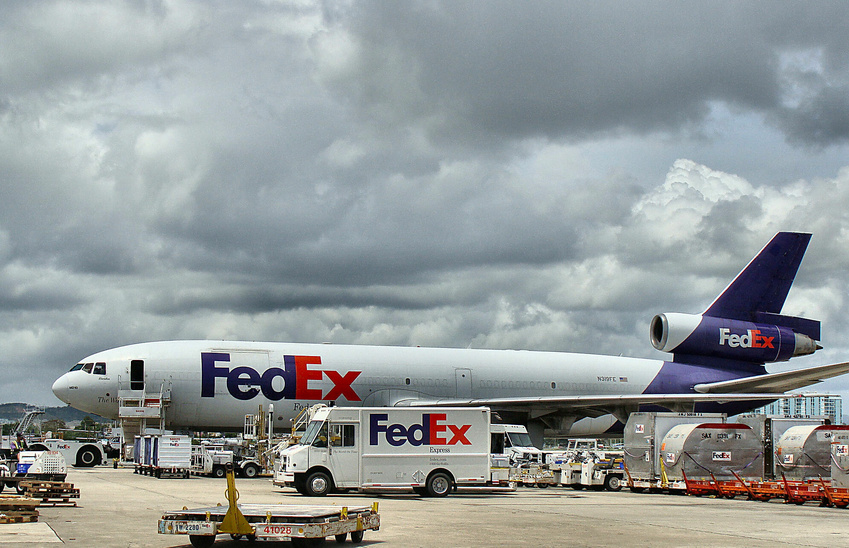
FedEx Corporation has published its annual Global Economic Impact Report, which showcases how the company’s worldwide logistics network continues to drive innovation and economic growth throughout fiscal year 2025 (FY25). The report, developed in collaboration with Dun & Bradstreet, a global leader in business analytics and data solutions, outlines the far-reaching influence FedEx has on people, businesses, and communities across the globe — an effect often described as the “FedEx Effect.”
“For more than half a century, FedEx has helped shape global commerce by delivering innovative shipping solutions that connect people and markets,” said Raj Subramaniam, President and CEO of FedEx Corporation. “Our culture of innovation, supported by our team’s dedication to excellence and bold thinking, enabled our network to keep powering global progress this past year amid evolving trade dynamics and supply chain transformations.”
During FY25, FedEx generated a $126 billion contribution to the global economy through direct and indirect impacts, underscoring both the scale of its operations and its ongoing efforts to enhance efficiency and service quality in its first full year operating under the unified “One FedEx” structure.
Global Reach and Scale FedEx manages the world’s largest industrial logistics network, providing services to over 220 countries and territories. The company employs more than 500,000 team members across 5,000 facilities, moving roughly 17 million packages daily and transporting goods valued at over $2 trillion each year.
Highlights from the FY2025 Report
- Trade and Global Connectivity
- Operational Improvements
- Supplier Partnerships
- Technology and Innovation
- Support for Small Businesses
- Sustainability Progress
- Community Impact
According to the report, in FY25 FedEx directly accounted for 6.6% of the U.S. Transportation and Warehousing sector’s total net economic output and indirectly added $7.8 billion across the wider U.S. economy.
The company’s extensive infrastructure — including major air hubs in Memphis and Indianapolis and international gateways in Alaska and Miami — positions it to respond rapidly to shifts in trade and logistics demand. FedEx also provides advanced supply chain and distribution services to key industries such as automotive manufacturing and pharmaceuticals, reinforcing its role as an essential player in both domestic and global commerce.