

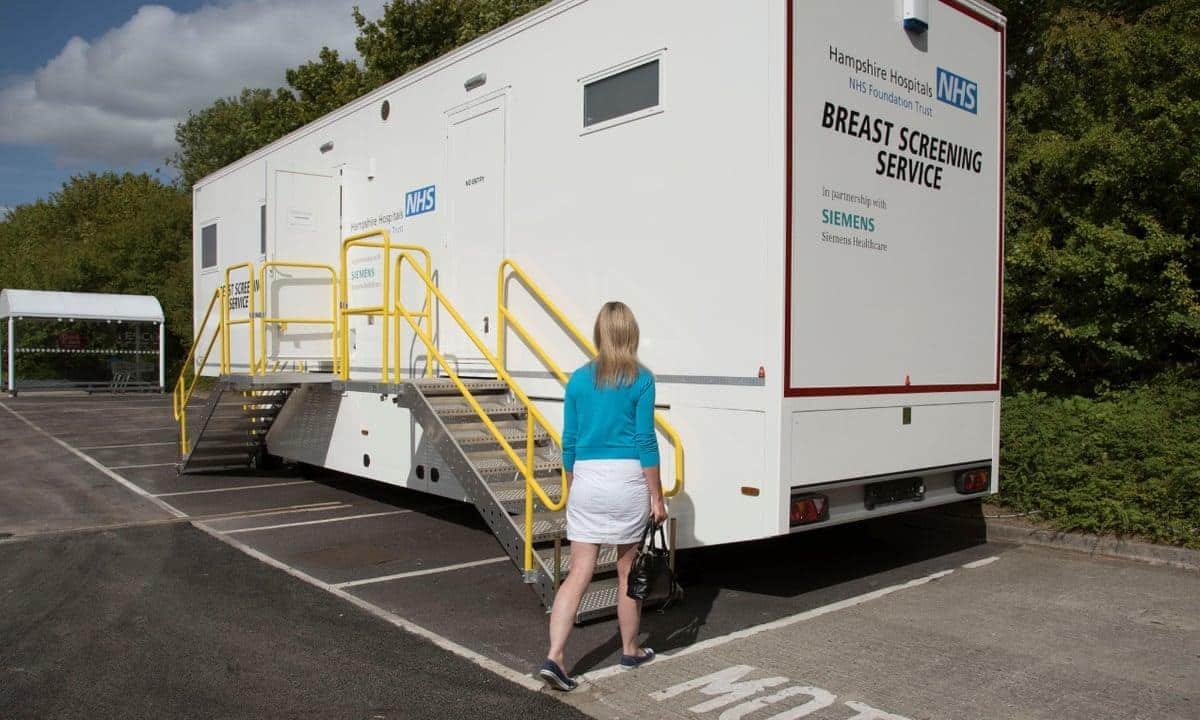
Leidos QTC Plans Mobile Mammography Initiative for Northern Arizona in 2027
Leidos QTC Health Services is expanding its mobile healthcare capabilities to include breast cancer screening through a new mobile mammography initiative aimed at improving access to preventive care for women in rural and underserved communities. The programme, known as the Women’s Preventive Health Initiative, is scheduled to begin with an initial deployment in Northern Arizona in 2027.
The initiative is intended to bring essential health screenings closer to women who may otherwise have to travel considerable distances to reach medical facilities. Limited local provider availability and long waits for appointments can make routine screening difficult to access, particularly in geographically isolated communities.
The announcement comes as Breast Cancer Awareness Month, observed every October, draws attention to the importance of early detection and regular screening. Leidos QTC says its expanded mobile services are intended to address some of the practical barriers that can prevent women from obtaining preventive healthcare.
Mobile mammography expands Leidos QTC’s preventive healthcare services
The Women’s Preventive Health Initiative builds on Leidos QTC Health Services’ experience in operating mobile healthcare programmes. The company says its work in this area involves coordinating clinical services and healthcare providers across geographically dispersed locations.
Under the new initiative, mobile clinical services will include four categories of screening:
- Screening mammography
- Cervical cancer screening, including Pap tests
- Blood pressure screening
- Cholesterol screening
The addition of mammography expands the range of services that Leidos QTC can potentially deliver through mobile healthcare operations. It is particularly relevant to communities where access to facilities offering breast imaging may be limited.
For women in rural areas, obtaining a mammogram can involve lengthy journeys, difficulties securing appointments and the need to fit medical visits around work and family commitments. By taking screening services into communities, mobile healthcare programmes can help reduce these obstacles and complement the services already provided by local healthcare organisations.
Melanie Krause, senior vice president of Clinical Operations at Leidos QTC Health Services, said that raising awareness of breast cancer must be accompanied by practical access to screening.
She said the expansion of mobile healthcare capabilities is intended to reduce barriers to preventive care, particularly for women living in rural communities.
Northern Arizona selected for initial 2027 deployment
Leidos QTC plans to introduce the Women’s Preventive Health Initiative in Northern Arizona in 2027. The company intends to build on its existing experience delivering mobile healthcare services in rural communities across the region.
The planned deployment will focus on the challenges associated with geographic distance, limited local healthcare capacity and access to specialised screening services. Leidos QTC also expects to work with healthcare organisations and community stakeholders to understand local requirements and identify ways to improve access.
Krause said the approach involves more than simply taking a mobile clinic into a community. It requires identifying local gaps in healthcare access and working with existing providers to develop practical ways of delivering services.
The initiative is being developed to supplement, rather than replace, established healthcare services. Its model combines mobile clinical capabilities, screening services and operational coordination to help reach populations that may have difficulty accessing conventional healthcare facilities.
Initiative could provide a model for other regions
Although Northern Arizona is the first planned deployment, Leidos QTC is developing the Women’s Preventive Health Initiative with the possibility of adapting it for other communities facing similar healthcare access challenges.
The company intends to assess the programme using several measures, including:
- The number of women receiving services
- The number of screenings completed
- The communities reached
- Patient experience
- Opportunities to reduce the travel burden associated with obtaining preventive care
These measures are expected to help the company assess the initiative’s reach and identify potential improvements before considering deployments in other regions.
Krause said the company wants to learn from the initial programme and explore how the model could be applied in other communities where women encounter similar difficulties accessing preventive healthcare.
For Leidos QTC Health Services, the initiative extends its existing mobile healthcare operations into a broader range of preventive screening services. Its effectiveness will depend on how successfully the programme reaches women, works alongside local healthcare providers and addresses the access barriers identified in the communities it serves.
By bringing mammography and other preventive screenings closer to underserved populations, the Women’s Preventive Health Initiative aims to make routine healthcare more accessible, beginning with its planned Northern Arizona deployment in 2027.