
Live Oak Initiative Aims to Accelerate Climate Solutions Across the Southeastern US
The Live Oak Initiative, a new philanthropic effort launched by the Ray C. Anderson Foundation, aims to increase investment in climate solutions and strengthen community resilience across the Southeastern United States. The initiative will bring together philanthropic organisations, funders and community partners to support locally led efforts addressing climate challenges and economic inequality.
The Foundation has appointed Alexandria H. McBride as the initiative’s founding executive director. She will lead efforts to develop collaborative funding models, connect regional stakeholders and direct greater resources towards Southern-led organisations working to build healthier and more resilient communities.
Live Oak Initiative Seeks to Strengthen Climate Philanthropy
The initiative will work alongside regional and national philanthropic organisations to develop new approaches to collaborative funding. Its focus will be on supporting community-driven organisations across the South as they pursue healthier communities, stronger local economies and long-term opportunities for future generations.
Jay Lanier, trustee of the Ray C. Anderson Foundation and co-chair of the Live Oak Initiative, said the Southeast already had the leadership and solutions needed to address its challenges. However, he identified a shortage of sustained and flexible investment as a major obstacle to expanding successful initiatives.
He said Live Oak would seek to bridge this funding gap by bringing funders together, mobilising resources and strengthening existing efforts across the region.
Over the past 14 years, the Ray C. Anderson Foundation has developed partnerships with grantees and supported climate solutions throughout the South. The Live Oak Initiative will build on this experience and the Foundation’s established relationships within Southern philanthropy.
Its work will include identifying investment opportunities, connecting individuals and institutions, and improving coordination among funders and community organisations. The broader objective is to advance locally determined priorities while expanding access to the economic opportunities associated with a more sustainable and resilient regional economy.
Dena Chadwick, president and CEO of Philanthropy Southeast, highlighted the Southeast’s particular exposure to climate risks as well as its capacity to respond through collaboration.
She said philanthropic leaders and their partners across the region recognised the importance of building stronger connections with one another and with the communities they serve. Such cooperation, she added, would be essential to addressing the long-term challenges posed by climate change.
Alexandria H. McBride Named Founding Executive Director
McBride brings nearly two decades of experience in climate policy, investment strategy and partnership development across philanthropy, government, nonprofit organisations and the private sector.
Originally from Atlanta, she has experience establishing new initiatives and bringing funders and community leaders together to align philanthropic and public investment with locally identified priorities.
Before joining Live Oak, McBride served as strategy director and senior programme officer at the Waverley Street Foundation. In that role, she helped shape the foundation’s early strategy and managed a national portfolio valued at $90 million, maintaining substantial relationships with grantees across the Southeast.
She previously served as Chief Resilience Officer for the City of Oakland, California. During her tenure, she secured $28 million in state and philanthropic funding for affordable housing and climate resilience projects.
McCall Filipovich Langford, trustee of the Ray C. Anderson Foundation and co-chair of the Live Oak Initiative, said McBride’s experience in philanthropic strategy and her work at the intersection of environmental policy, social justice and philanthropy made her well suited to lead the initiative.
Langford also highlighted McBride’s commitment to building authentic partnerships, describing her return to Atlanta as an important addition to the region’s climate and philanthropic efforts.
McBride said the South had an opportunity to demonstrate how a more equitable, resilient and prosperous future could be achieved, with historically underinvested communities playing a central role.
She emphasised that Live Oak would encourage philanthropy to invest more boldly while responding to regional priorities and strengthening the organisations and leaders already working towards these goals. She also expressed the hope that successful approaches developed in the South could influence progress beyond the region.
Building a More Resilient Southeastern United States
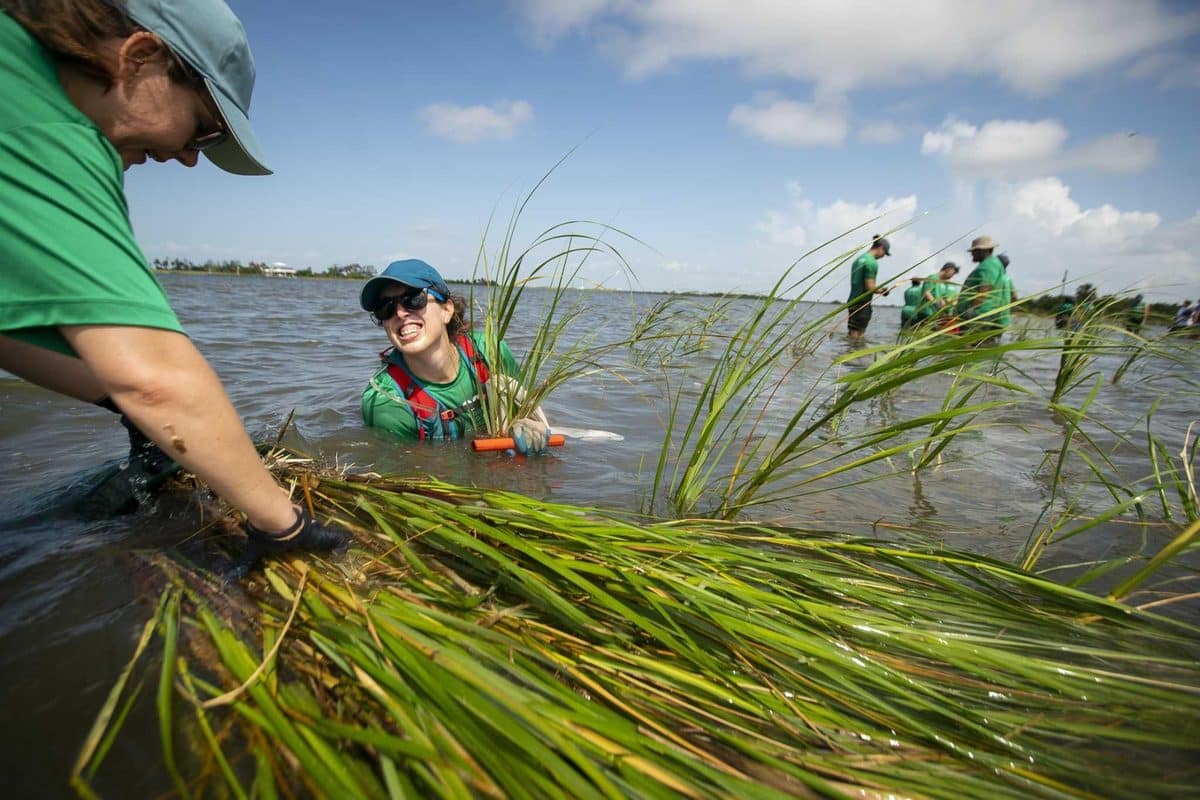
The initiative comes amid growing concerns about the effects of climate change on communities across the Southeast. Extreme heat, flooding, hurricanes and drought are increasingly affecting the region, with consequences for public health, livelihoods and the natural systems on which communities depend.
Vasser Seydel, president of The Oxygen Project, director of the Turner Foundation, Inc. board and an advisory board member of the Live Oak Initiative, said these interconnected challenges made greater cooperation and investment particularly important.
Seydel welcomed the initiative as a shared resource that could strengthen connections and encourage additional funding for a more climate-resilient South. He also highlighted the involvement of the third generation of the Ray C. Anderson family in continuing the Foundation’s climate action legacy.
The family has worked together to develop Live Oak as the next stage of the Foundation’s philanthropic activities. The initiative will be guided by the Foundation’s values of innovation, impact and positive disruption, with the aim of maintaining its established approach to partnerships and climate action.
Live Oak to Begin Within Ray C. Anderson Foundation
Initially, the Live Oak Initiative will operate within the Ray C. Anderson Foundation as an incubated programme. The plan is for it to become an independent nonprofit organisation within the next few years.
Through this transition, the initiative aims to establish a broader collaborative platform for philanthropic investment, bringing together institutions and community leaders to advance climate solutions and economic resilience across the Southeastern United States.
Its long-term success will depend on its ability to translate these partnerships into sustained funding and meaningful support for the communities and organisations leading climate action across the region.
Click here to know more.