
Tetra Pak Introduces Advanced Powder Mixing and Air-Jet Cleaning Capabilities in Minnesota
Tetra Pak powder mixing and automated cleaning capabilities are being expanded at the company’s Winsted facility in Minnesota, as the packaging and food processing technology provider seeks to help manufacturers improve production efficiency and reduce equipment downtime.
Announced by Tetra Pak U.S. and Canada, the new capabilities allow manufacturers to test their own formulations and ingredients using the company’s powder processing technologies. The trials are intended to demonstrate how faster mixing and more efficient equipment cleaning can help increase throughput, minimise product losses and simplify production changeovers.
The facility will use the Tetra Pak Powder Mixer B alongside the Tetra Pak Air Jet Cleaning System for Powder, giving manufacturers an opportunity to assess the technologies against their specific production requirements.
Tetra Pak Powder Mixer B aims to accelerate production
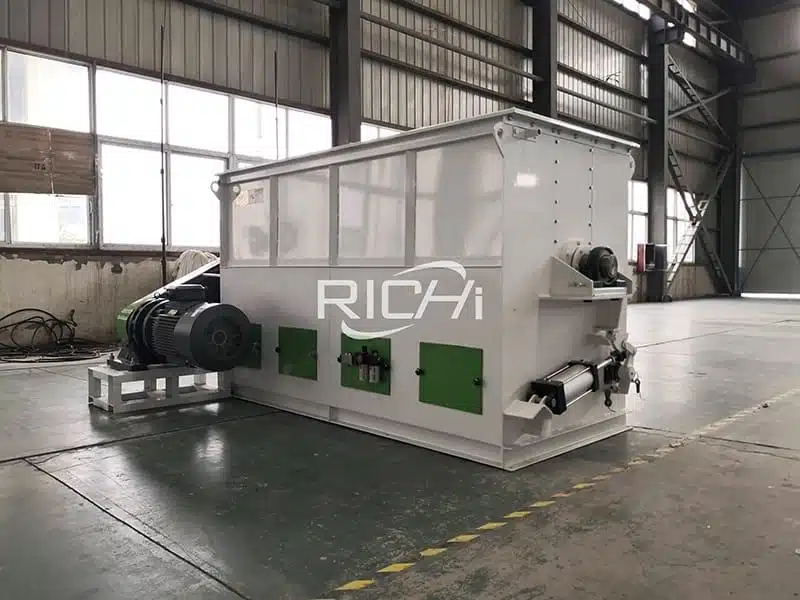
The Tetra Pak Powder Mixer B uses a twin-shaft paddle configuration to combine high-speed mixing with a process designed to handle products gently.
According to the company, the equipment can reduce mixing times from approximately 15–20 minutes to just one or two minutes while maintaining a high degree of blend homogeneity. This could allow manufacturers to increase production capacity without compromising the consistency of their powder formulations.
Tetra Pak also states that the mixer can eliminate the premixing stage in approximately 90% of applications. Removing this additional step could further streamline production workflows, reduce processing time and improve equipment utilisation.
These capabilities may be particularly relevant to manufacturers handling complex formulations or producing multiple products on shared processing lines.
Air-jet cleaning reduces powder equipment changeover time
Equipment cleaning between production runs can create significant downtime, particularly when manufacturers need to switch between different formulations.
The Tetra Pak Air Jet Cleaning System for Powder is designed to address this challenge through a combination of compressed air and vacuum technology. It removes residual powder from processing equipment without requiring water or detergents.
According to Tetra Pak, the system can complete the dry-cleaning process in as little as 30 minutes, potentially reducing labour requirements, product losses and the time equipment remains unavailable between production runs.
For applications requiring additional allergen sanitation, supplementary manual cleaning may still be necessary. In such cases, the company indicates that the overall changeover process can be completed in approximately one hour.
The approach is intended to help manufacturers shorten production interruptions while maintaining the cleaning procedures required for their products.
Supporting flexible powder manufacturing
Manufacturers increasingly need to accommodate larger product portfolios, shorter production runs and more complicated formulations. These requirements make the ability to switch efficiently between products an important consideration in production planning.
Reducing mixing and cleaning times can help manufacturers make better use of available production hours. It may also reduce the labour associated with equipment changeovers and allow production lines to move more efficiently between different recipes.
The combination of faster powder mixing and automated dry cleaning is intended to address these operational requirements. By reducing the time spent on non-production activities, manufacturers can explore opportunities to improve throughput and minimise waste.
Winsted facility allows manufacturers to test their own formulations
A key feature of the expanded capabilities is the opportunity for manufacturers to conduct trials using their own recipes and ingredients at Tetra Pak’s Winsted, Minnesota, location.
Working alongside Tetra Pak specialists, customers can evaluate several aspects of the processing operation, including:
- Blend homogeneity: Assessing how consistently different ingredients are mixed.
- Cleaning performance: Evaluating the effectiveness of the air-jet cleaning system in removing residual powder.
- Production throughput: Identifying opportunities to increase output through shorter mixing cycles.
- Product recovery: Examining potential reductions in material losses during processing and cleaning.
- Operational efficiency: Assessing possible improvements in labour requirements, equipment utilisation and production changeovers.
Testing actual formulations allows manufacturers to examine how the technologies perform under conditions relevant to their own production processes.
Applications across food and nutrition manufacturing
The new trial capabilities are intended to support a range of dry powder processing applications, including:
- Functional nutrition products
- Dietary supplements
- Infant nutrition
- Specialty food ingredients
These sectors often involve multiple formulations and demanding hygiene requirements. Manufacturers must therefore balance production flexibility with consistent product quality and appropriate cleaning procedures.
Tetra Pak’s expanded capabilities are intended to help businesses evaluate whether faster mixing and dry-cleaning technologies can improve productivity while reducing operational waste.
Tetra Pak highlights the importance of faster production changeovers
Commenting on the expansion, Jean-Christophe (JC) Margotteau, Sales Support Manager, Powder Handling Solutions, Tetra Pak U.S. and Canada, highlighted the operational cost of lengthy cleaning procedures.
“Manufacturers are being asked to produce more products with greater flexibility, but every hour spent cleaning equipment between recipes is an hour that equipment isn’t producing,” Margotteau said.
He added that the new Winsted trial capabilities would allow manufacturers to assess the potential benefits of faster mixing and cleaning using their own products and production requirements.
The expansion gives manufacturers an opportunity to evaluate these technologies before determining whether they can deliver meaningful improvements in throughput, product recovery and operational efficiency.