
Protein is moving beyond a passing food trend and becoming a central part of how consumers think about nutrition. The growing use of GLP-1 medications, an aging population focused on preserving muscle mass, and consumers’ continued preference for the taste of animal protein are all contributing to rising demand. Yet the challenge extends beyond consumption. The industry must also ensure that supply chains can meet this demand, a challenge highlighted in the early 2020s when pandemic-driven buying left supermarket meat counters struggling to keep up.
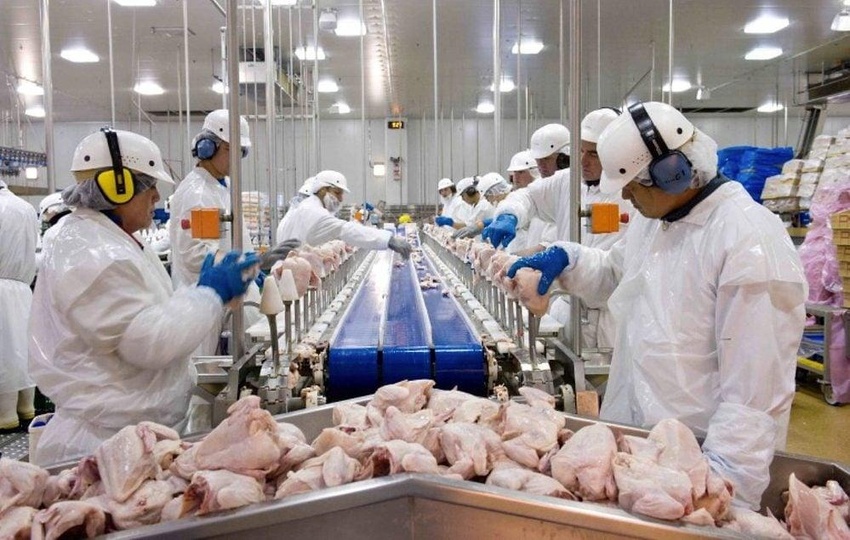
These issues were at the heart of my latest Shared Table conversation with Donnie King, CEO of Tyson Foods. Having worked with Tyson for four decades, I have had the opportunity to follow Donnie’s leadership closely and develop a personal friendship with him. His career began on a poultry processing plant floor in 1982, eventually leading him to the top of a company whose products are found in roughly 70% of U.S. households. As he approaches the end of an extraordinary 43-year career, we met in the Tyson cafeteria to discuss leadership, legacy, the growing importance of protein and the industry’s future.
More Than a Trend: A Lasting Change in Consumer Demand
Donnie believes the current interest in protein reflects a fundamental shift in eating habits rather than a temporary craze. He highlighted changes in the U.S. Department of Agriculture’s Dietary Guidelines, which have placed greater emphasis on protein and prompted renewed discussion about the balance of nutrients in everyday diets.
GLP-1 medications are also influencing the conversation. According to Gallup, 15% of U.S. adults have used a GLP-1 medication. Meanwhile, Morgan Stanley projects that by 2035, nearly 30% of Americans with obesity or diabetes could be receiving GLP-1 treatments. Research covering 99 countries and published in The Lancet Diabetes & Endocrinology also suggests that approximately one in four adults worldwide meets the eligibility criteria for GLP-1-based weight management.
Together, these developments point to a substantial and evolving market for protein-rich foods, with consumers increasingly interested in meeting their nutritional needs.
Why Plant-Based Alternatives Have Struggled to Keep Momentum
Plant-based meat alternatives once attracted considerable attention, from meat-free campaigns to plant-based burgers appearing on fast-food menus. However, enthusiasm has since cooled as many consumers have returned to conventional meat products.
Donnie identified lengthy ingredient lists and differences in nutritional value as some of the factors affecting consumer perceptions of plant-based alternatives. The discussion also prompted Tyson to examine its own products, with Donnie encouraging the company to simplify ingredient lists proactively rather than waiting for customers to demand change.
The central challenge for plant-based products is balancing flavour, affordability and nutrition simultaneously. In Donnie’s view, animal protein continues to perform strongly across these priorities.
A key message from Donnie, “You can never lose sight of the consumer and what their expectations are. And I will say to the day I die that consumers buy based on taste first. If it doesn’t taste good, you can’t sell it.”
Meeting Demand Requires a Healthier Supply Chain
The U.S. cattle herd has fallen to its lowest level in approximately 75 years, creating another challenge for the protein industry. Donnie sees the issue as more than a question of market demand or available capital. The economics across the supply chain must also allow participants to earn consistently enough to invest in future production.
Without greater financial stability for ranchers and other businesses involved in beef production, rebuilding the cattle herd will remain difficult. Sustainable growth, therefore, depends on ensuring that the benefits of a strong market reach the people responsible for producing the supply.
The bigger picture: Demand for protein appears to have strong long-term foundations, but meeting it will require cooperation across the industry. Improving the economics of beef production, continuing investment in animal health and maintaining a focus on consumer priorities will all be essential. Ultimately, taste, price and nutrition remain critical factors in purchasing decisions.
The Person Behind the CEO
One of the most memorable parts of our conversation had little to do with protein. Donnie recalled meeting Don Tyson in 1984, when he was 22 years old and working on a factory floor. The company had recently acquired the plant, and Don Tyson arrived unexpectedly on a Friday evening to speak directly with employees working on the production line.
Donnie remembered the encounter vividly: “He made me feel like the most important person in the world. He didn’t know me from anyone. There was no reason for him to do that.”
That experience helped shape Donnie’s own approach to leadership. For him, leading a large organization means remaining connected to the people who keep it running. Sharing a meal in the company cafeteria is not merely a routine; it offers an opportunity to listen, understand employees’ concerns and maintain a direct connection with the workforce.
Throughout his 43 years at Tyson, Donnie has continued to value this personal approach. He still eats lunch in the cafeteria on most days and begins each morning with prayer, remembering not only himself but also the more than 130,000 people who work for the company.
When asked how he would like to be remembered, he focused on the purpose of the work and the contributions of his colleagues rather than on his own achievements.
“Doing this job has really never been a job. It’s always been a calling. I get to feed people. I get to work with people. I get to be a part of satisfying a need along with 133,000 other team members. You know, I love this place.”
As Donnie prepares for his next chapter, his reflections offer a reminder that leadership is built not only on business performance, but also on purpose, humility and a genuine commitment to people.
Thank you, Donnie, for your continued support of science and animal health, for the example you have set through your leadership, and for sharing your time, experience and wisdom as you prepare to begin this next stage of your journey.