As digital transformation continues to expand and the AI-driven technology cycle gains momentum, networks and data infrastructure are becoming increasingly important to the way economies and societies operate. While this technological growth creates significant opportunities, it also comes with a responsibility to manage its environmental consequences.
Nokia recognizes that the expansion of technology must be accompanied by greater attention to sustainability. The company is therefore taking measurable steps to reduce its environmental footprint, with particular emphasis on cutting greenhouse gas emissions, improving energy efficiency and strengthening circularity. The goal is to ensure that technological advancement contributes to a more sustainable future.
Reducing emissions across the value chain
Nokia is working to lower its greenhouse gas (GHG) emissions across Scope 1, Scope 2 and Scope 3, while simultaneously increasing its focus on circular practices. Addressing emissions throughout the value chain is important because a significant portion of the environmental impact associated with technology occurs beyond a company’s own facilities.
By 2025, Nokia had reduced its combined Scope 1, 2 and 3 GHG emissions by 27% from its 2019 baseline. Scope 1 and Scope 2 emissions recorded an even larger reduction of 86%, driven by improvements involving company facilities, vehicle fleets and purchased electricity.
The emissions included within Nokia’s Science-Based Targets initiative Net-Zero target stood at 30.5 million tonnes of CO₂ equivalent, representing a 27% reduction compared with 2019.
Progress was also recorded among suppliers, whose emissions fell by 66% compared with the 2019 level. Nokia acknowledges, however, that continued efforts are needed to further improve the accuracy and quality of emissions data throughout the supply chain.
Improving energy efficiency and renewable energy use
Energy consumption associated with telecommunications products is an important part of their overall environmental impact. Nokia is therefore focusing on making its products more energy efficient, helping to reduce electricity consumption as well as emissions generated throughout their operational lifecycles.
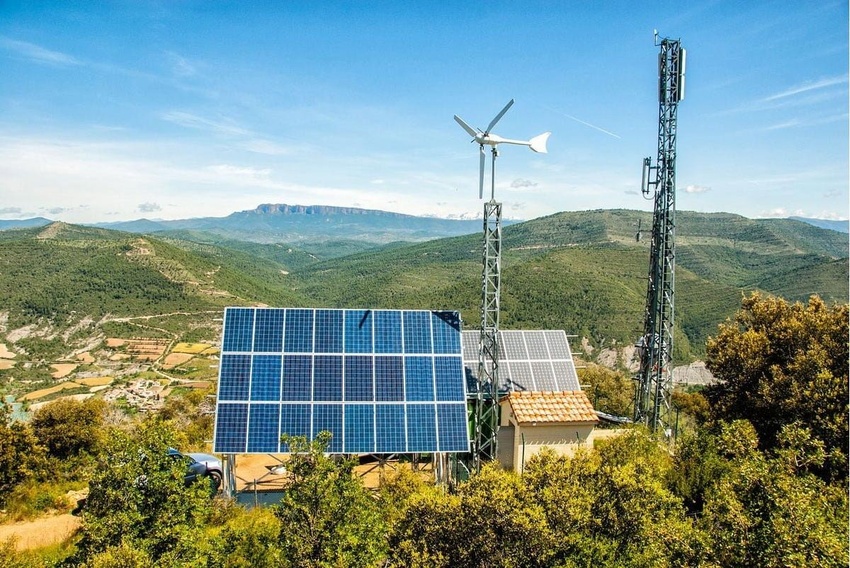
The company is also increasing the proportion of renewable energy used to operate its own facilities. During 2025, renewable sources accounted for 96% of the electricity consumed at Nokia-owned and leased locations.
The increased use of renewable electricity contributed substantially to the reduction of market-based Scope 2 emissions. Nokia remains committed to taking this further, with the objective of powering its own facilities with 100% renewable electricity.
Building a more circular approach
Reducing emissions is only one part of Nokia’s environmental strategy. Greater circularity — including reducing waste and increasing the recovery and reuse of materials — is another important element of its sustainability efforts.
In 2025, Nokia achieved a 90% waste circularity rate across activities including offices, laboratories, final assembly operations, installations and product take-back programs. This represents continued progress toward its goal of reaching 95% circularity by 2030.
The company also reported 98% packaging recyclability and achieved 50% recycled content in cardboard and plastic packaging. Plastic accounted for just 9% of the total weight of primary packaging, allowing Nokia to meet its stated targets in these areas.
Beyond packaging, Nokia is continuing to explore ways to increase the use of recycled metals in its products, helping to reduce dependence on newly extracted raw materials.
The importance of continued action
The rapid expansion of digital technologies means that managing their environmental impact will require long-term and measurable efforts. Nokia’s approach combines reductions in Scope 1, 2 and 3 emissions with greater reliance on renewable electricity, improvements in energy efficiency and increased circularity.
Through these initiatives, the company aims to progressively reduce its environmental footprint while maintaining transparency and accountability as technology continues to evolve.
Nokia recognizes that the expansion of technology must be accompanied by greater attention to sustainability. The company is therefore taking measurable steps to reduce its environmental footprint, with particular emphasis on cutting greenhouse gas emissions, improving energy efficiency and strengthening circularity. The goal is to ensure that technological advancement contributes to a more sustainable future.
Reducing emissions across the value chain
Nokia is working to lower its greenhouse gas (GHG) emissions across Scope 1, Scope 2 and Scope 3, while simultaneously increasing its focus on circular practices. Addressing emissions throughout the value chain is important because a significant portion of the environmental impact associated with technology occurs beyond a company’s own facilities.
By 2025, Nokia had reduced its combined Scope 1, 2 and 3 GHG emissions by 27% from its 2019 baseline. Scope 1 and Scope 2 emissions recorded an even larger reduction of 86%, driven by improvements involving company facilities, vehicle fleets and purchased electricity.
The emissions included within Nokia’s Science-Based Targets initiative Net-Zero target stood at 30.5 million tonnes of CO₂ equivalent, representing a 27% reduction compared with 2019.
Progress was also recorded among suppliers, whose emissions fell by 66% compared with the 2019 level. Nokia acknowledges, however, that continued efforts are needed to further improve the accuracy and quality of emissions data throughout the supply chain.
Improving energy efficiency and renewable energy use
Energy consumption associated with telecommunications products is an important part of their overall environmental impact. Nokia is therefore focusing on making its products more energy efficient, helping to reduce electricity consumption as well as emissions generated throughout their operational lifecycles.
The company is also increasing the proportion of renewable energy used to operate its own facilities. During 2025, renewable sources accounted for 96% of the electricity consumed at Nokia-owned and leased locations.
The increased use of renewable electricity contributed substantially to the reduction of market-based Scope 2 emissions. Nokia remains committed to taking this further, with the objective of powering its own facilities with 100% renewable electricity.
Building a more circular approach
Reducing emissions is only one part of Nokia’s environmental strategy. Greater circularity — including reducing waste and increasing the recovery and reuse of materials — is another important element of its sustainability efforts.
In 2025, Nokia achieved a 90% waste circularity rate across activities including offices, laboratories, final assembly operations, installations and product take-back programs. This represents continued progress toward its goal of reaching 95% circularity by 2030.
The company also reported 98% packaging recyclability and achieved 50% recycled content in cardboard and plastic packaging. Plastic accounted for just 9% of the total weight of primary packaging, allowing Nokia to meet its stated targets in these areas.
Beyond packaging, Nokia is continuing to explore ways to increase the use of recycled metals in its products, helping to reduce dependence on newly extracted raw materials.
The importance of continued action
The rapid expansion of digital technologies means that managing their environmental impact will require long-term and measurable efforts. Nokia’s approach combines reductions in Scope 1, 2 and 3 emissions with greater reliance on renewable electricity, improvements in energy efficiency and increased circularity.
Through these initiatives, the company aims to progressively reduce its environmental footprint while maintaining transparency and accountability as technology continues to evolve.
]]>