<?xml version="1.0" encoding="UTF-8"?>
<feed xmlns="http://www.w3.org/2005/Atom"  xmlns:media="http://search.yahoo.com/mrss/" xmlns:dc="http://purl.org/dc/elements/1.1/" xmlns:itunes="http://www.itunes.com/dtds/podcast-1.0.dtd" xmlns:geo="http://www.w3.org/2003/01/geo/wgs84_pos#" xmlns:georss="http://www.georss.org/georss" xmlns:photo="http://www.pheed.com/pheed/">
 <title>Daily CSR</title>
 <subtitle><![CDATA[Daily CSR delivers latest news and in-depth coverage about corporate social responsibility, ethics and sustainability]]></subtitle>
 <link rel="alternate" type="text/html" href="https://www.dailycsr.com" />
 <link rel="self" type="text/xml" href="https://www.dailycsr.com/xml/atom.xml" />
 <id>https://www.dailycsr.com/</id>
 <updated>2026-04-30T08:23:58+02:00</updated>
 <generator uri="http://www.wmaker.net">Webzine Maker</generator>
  <icon>https://www.dailycsr.com/favicon.ico</icon>
  <entry>
   <title>Arcera–Fosun Pharma MoU to Boost Global Life Sciences &amp; Neuroscience Innovation</title>
   <updated>2026-04-28T13:47:00+02:00</updated>
   <id>https://www.dailycsr.com/Arcera-Fosun-Pharma-MoU-to-Boost-Global-Life-Sciences-Neuroscience-Innovation_a5750.html</id>
   <category term="Companies" />
   <photo:imgsrc>https://www.dailycsr.com/photo/art/imagette/96294181-67163986.jpg</photo:imgsrc>
   <published>2026-04-28T13:44:00+02:00</published>
   <author><name>Debashish Mukherjee</name></author>
   <content type="html">
    <![CDATA[
     <div style="position:relative; text-align : center; padding-bottom: 1em;">
      <img src="https://www.dailycsr.com/photo/art/default/96294181-67163986.jpg?v=1777376817" alt="Arcera–Fosun Pharma MoU to Boost Global Life Sciences &amp; Neuroscience Innovation" title="Arcera–Fosun Pharma MoU to Boost Global Life Sciences &amp; Neuroscience Innovation" />
     </div>
     <div>
      <div style="text-align: justify;">Arcera Life Sciences a global life sciences firm based in Abu Dhabi, and Shanghai Fosun Pharmaceutical Group Co&nbsp;Ltd, an innovation-led international pharmaceutical and healthcare company, have announced the signing of a Memorandum of Understanding (MoU). This agreement establishes a long-term strategic partnership focused on licensing, advancing technologies, driving neuroscience innovation, and creating value across the global life sciences landscape. <br />   <br />  Aligned with the broader Comprehensive Strategic Partnership between China and the UAE, as well as Abu Dhabi’s Healthcare Life Sciences Vision 2030, the MoU aims to unlock new avenues for innovation and market access in both regions. By combining Fosun Pharma’s strong research, development, and manufacturing expertise with Arcera’s global commercial reach and market access capabilities, the partnership positions Abu Dhabi as a key gateway connecting Chinese biotech innovation with international markets. It also seeks to accelerate patient access to cutting-edge treatments across the Middle East and beyond. <br />   <br />  Under the agreement, the two companies will explore collaboration in three primary areas:</div>    <ul>  	<li style="text-align: justify;"><strong>Licensing opportunities at regional and global levels:</strong> Initial efforts will focus on identifying licensing prospects for Fosun Pharma’s portfolio, particularly in oncology, neuroscience, rare diseases, and cardiometabolic conditions. This includes therapies already in late-stage clinical development or commercialized in China.</li>  	<li style="text-align: justify;"><strong>Development of advanced technologies:</strong> The partners will assess opportunities to establish joint ventures or new entities aimed at localizing advanced biotechnology in the UAE. This includes capabilities in small molecules, biologics, radiopharmaceuticals, small interfering RNA (siRNA) therapies, as well as cell and gene therapies.</li>  	<li style="text-align: justify;"><strong>Neuroscience collaboration:</strong> A key focus will be on neurodegenerative disorders, including Alzheimer’s disease, addressing a major global health need where both innovation and access remain limited.</li>  </ul>    <div style="text-align: justify;">Isabel Afonso, CEO of Arcera, noted that the agreement represents a significant milestone in building a globally connected life sciences ecosystem anchored in the UAE. She emphasized that combining Fosun Pharma’s drug development expertise with Arcera’s commercial and manufacturing strengths creates a powerful model for accelerating innovation and improving patient access. She also highlighted that this partnership marks Arcera’s first major step in positioning Abu Dhabi as a link between Asian innovation and global markets. <br />   <br />  Xingli Wang, Co-President of Fosun Pharma and CEO of its Innovative Medicines Division, described the partnership as an important step in expanding the company’s global footprint and strengthening international collaboration. He expressed confidence that Fosun Pharma’s decades of experience in R&amp;D and manufacturing would support the partnership’s success and stated that both organizations aim to work closely together to bring innovative therapies to patients across the Middle East and worldwide.</div>  
     </div>
     <br style="clear:both;"/>
    ]]>
   </content>
   <link rel="alternate" href="https://www.dailycsr.com/Arcera-Fosun-Pharma-MoU-to-Boost-Global-Life-Sciences-Neuroscience-Innovation_a5750.html" />
  </entry>
  <entry>
   <title>Jazz Pharmaceuticals Showcases Epilepsy and Narcolepsy Research at AAN 2026</title>
   <updated>2026-04-09T14:52:00+02:00</updated>
   <id>https://www.dailycsr.com/Jazz-Pharmaceuticals-Showcases-Epilepsy-and-Narcolepsy-Research-at-AAN-2026_a5694.html</id>
   <category term="Companies" />
   <photo:imgsrc>https://www.dailycsr.com/photo/art/imagette/95937838-66953299.jpg</photo:imgsrc>
   <published>2026-04-09T13:54:00+02:00</published>
   <author><name>Debashish Mukherjee</name></author>
   <content type="html">
    <![CDATA[
     <div style="position:relative; text-align : center; padding-bottom: 1em;">
      <img src="https://www.dailycsr.com/photo/art/default/95937838-66953299.jpg?v=1775738916" alt="Jazz Pharmaceuticals Showcases Epilepsy and Narcolepsy Research at AAN 2026" title="Jazz Pharmaceuticals Showcases Epilepsy and Narcolepsy Research at AAN 2026" />
     </div>
     <div>
      <div style="text-align: justify;">Jazz Pharmaceuticals plc announced that it will share six research abstracts—including one oral presentation—at the 2026 American Academy of Neurology (AAN) Annual Meeting, scheduled for April 18–22, 2026, in Chicago. <br />   <br />  These presentations highlight the scope of Jazz’s neuroscience work across epilepsy and sleep disorders. The data include new clinical findings on Epidiolex® (cannabidiol) in patients with conditions such as Lennox-Gastaut syndrome (LGS), Dravet syndrome (DS), tuberous sclerosis complex (TSC), and other difficult-to-treat epilepsies, as well as research on Xywav® (a mixed oxybate oral solution) in individuals with narcolepsy. <br />   <br />  Jessa Alexander, Ph.D., who leads the neuroscience therapeutic area in global medical and scientific affairs at Jazz Pharmaceuticals, noted that the company remains committed to addressing unmet needs in rare neurological conditions. She emphasized that ongoing studies of Epidiolex and Xywav are helping deepen insights into these complex disorders, better reflect patient experiences, and guide research efforts toward improving care where gaps still exist. <br />   <br />  Key highlights from the meeting include:</div>    <ul>  	<li style="text-align: justify;">An oral presentation reporting results from a planned six-month interim analysis of the Phase 3b/4 EpiCom study. The findings showed that, after 26 weeks of Epidiolex treatment, patients with TSC-related seizures experienced reduced behavioral challenges as reported by both caregivers and clinicians. Improvements were observed across multiple assessment tools measuring neuropsychiatric symptoms and overall severity.</li>  	<li style="text-align: justify;">A poster presentation examining demographic and clinical factors linked to continued use of Epidiolex in more than 7,800 patients with LGS, DS, TSC, and other refractory epilepsies. The analysis suggests that variations in care within fragmented treatment systems may influence whether patients stay on therapy, offering insights that could help clinicians support long-term treatment adherence.</li>  	<li style="text-align: justify;">Another poster highlighting results from the DUET study, an open-label trial in adults with narcolepsy. The analysis explored outcomes such as cognitive concerns, daily functioning, work productivity, and overall disease burden in patients taking Xywav at doses above 9 grams per night. Participants who adjusted to higher doses (up to 12 grams) showed greater improvements compared to those on 9 grams, although the currently recommended adult dose remains 6–9 grams nightly.</li>  </ul>    <div style="text-align: justify;">All abstracts from the 2026 AAN Annual Meeting are available online.</div>  
     </div>
     <br style="clear:both;"/>
    ]]>
   </content>
   <link rel="alternate" href="https://www.dailycsr.com/Jazz-Pharmaceuticals-Showcases-Epilepsy-and-Narcolepsy-Research-at-AAN-2026_a5694.html" />
  </entry>
  <entry>
   <title>Sobi 2025 Annual &amp; Sustainability Report: Advancing Rare Disease Therapies</title>
   <updated>2026-03-31T15:30:00+02:00</updated>
   <id>https://www.dailycsr.com/Sobi-2025-Annual-Sustainability-Report-Advancing-Rare-Disease-Therapies_a5669.html</id>
   <category term="Companies" />
   <photo:imgsrc>https://www.dailycsr.com/photo/art/imagette/95743754-66872843.jpg</photo:imgsrc>
   <published>2026-03-31T15:26:00+02:00</published>
   <author><name>Debashish Mukherjee</name></author>
   <content type="html">
    <![CDATA[
     <div style="position:relative; text-align : center; padding-bottom: 1em;">
      <img src="https://www.dailycsr.com/photo/art/default/95743754-66872843.jpg?v=1774963850" alt="Sobi 2025 Annual &amp; Sustainability Report: Advancing Rare Disease Therapies" title="Sobi 2025 Annual &amp; Sustainability Report: Advancing Rare Disease Therapies" />
     </div>
     <div>
      <p style="text-align: justify;">Swedish Orphan Biovitrum AB has published its 2025 Annual and Sustainability Report, highlighting the company’s achievements in advancing innovative therapies for people living with rare diseases.<o:p></o:p> <br />    <p style="text-align: justify;">Sobi continues to prioritize sustainable growth through collaboration and scientific expertise, ensuring that approved treatments are accessible to all eligible patients within its therapeutic areas. In 2025, more than 53,000 full-time equivalent patients received treatment with a Sobi medicine, supporting the company’s mission to improve the lives of individuals with rare conditions. Revenue for the year reached SEK 28 billion, representing a 15% increase at constant exchange rates (CER), while Sobi further strengthened its pipeline with therapies that have the potential to redefine the standard of care in multiple rare and severe diseases.<o:p></o:p> <br />    <p style="text-align: justify;">The report features the audited Annual Report alongside Sobi’s statutory Sustainability Report, prepared in line with the Swedish Annual Accounts Act and European Sustainability Reporting Standards (ESRS). It also includes disclosures under the Task Force on Climate-related Financial Disclosures (TCFD) and EU Taxonomy regulations.<o:p></o:p> <br />    <p style="text-align: justify;">Sobi’s 2025 Sustainability Statement reflects its alignment with the Corporate Sustainability Reporting Directive (CSRD) and the ESRS framework, with the report’s structure and content tailored to meet updated sustainability reporting standards.<o:p></o:p> <br />    <p style="text-align: justify;">The full 2025 Annual and Sustainability Report can be accessed at <a class="link" href="https://www.sobi.com/">sobi.com</a>. The Swedish Annual Report is also available in European Single Electronic Format (ESEF), which will take precedence in case of any discrepancies.<o:p></o:p> <br />    <p style="margin: 0cm 0cm 24pt; background: white; text-align: justify;"><span style="font-family:&quot;Arial&quot;,sans-serif;color:#373737">Click </span><a href="https://edge.prnewswire.com/c/link/?t=0&amp;l=en&amp;o=4653902-1&amp;h=2429582595&amp;u=https%3A%2F%2Fwww.sobi.com%2Fen%2Fir-contacts&amp;a=here" target="_blank"><b><span style="font-family:&quot;Arial&quot;,sans-serif;color:#063369">here</span></b></a><span style="font-family:&quot;Arial&quot;,sans-serif;color:#373737"> to contact the Sobi&nbsp;Investor Relations Team<o:p></o:p></span> <br />  
     </div>
     <br style="clear:both;"/>
    ]]>
   </content>
   <link rel="alternate" href="https://www.dailycsr.com/Sobi-2025-Annual-Sustainability-Report-Advancing-Rare-Disease-Therapies_a5669.html" />
  </entry>
  <entry>
   <title>Belief BioMed &amp; Grand Life Sciences Partner to Advance Hemophilia A Gene Therapy in China</title>
   <updated>2026-03-23T07:26:00+01:00</updated>
   <id>https://www.dailycsr.com/Belief-BioMed-Grand-Life-Sciences-Partner-to-Advance-Hemophilia-A-Gene-Therapy-in-China_a5630.html</id>
   <category term="Companies" />
   <photo:imgsrc>https://www.dailycsr.com/photo/art/imagette/95544793-66784885.jpg</photo:imgsrc>
   <published>2026-03-23T07:24:00+01:00</published>
   <author><name>Debashish Mukherjee</name></author>
   <content type="html">
    <![CDATA[
     <div style="position:relative; text-align : center; padding-bottom: 1em;">
      <img src="https://www.dailycsr.com/photo/art/default/95544793-66784885.jpg?v=1774247180" alt="Belief BioMed &amp; Grand Life Sciences Partner to Advance Hemophilia A Gene Therapy in China" title="Belief BioMed &amp; Grand Life Sciences Partner to Advance Hemophilia A Gene Therapy in China" />
     </div>
     <div>
      <div style="text-align: justify;">Belief BioMed (“BBM”) and Grand Life Sciences Group Co., Ltd. (“Grand Life Sciences”) have entered into an exclusive partnership agreement. As part of the deal, Belief BioMed will provide Grand Life Sciences with commercialization rights for its investigational therapy, BBM-H803, across Mainland China, Hong Kong, Macau, and Taiwan. <br />   <br />  This partnership reflects both companies’ commitment to combining their expertise and resources to speed up the product’s path to market, expand access to innovative treatments for patients with hemophilia A, and support the advancement of gene therapy. The agreement was formalized by Xiao Xiao, Co-founder, Chairman, and Chief Science Officer of Belief BioMed, and Zenghui Feng, Chairman of Grand Life Sciences. <br />   <br />  Dr. Xiao Xiao stated that Belief BioMed is dedicated to advancing gene therapy, with a pipeline addressing both rare and common diseases to meet significant unmet medical needs. He highlighted the company’s milestone in 2025 with the launch of China’s first gene therapy for hemophilia B, BBM-H901, which introduced a new treatment option for patients. Looking ahead to hemophilia A, he expressed enthusiasm for the collaboration, noting that Belief BioMed’s clinical development strengths, combined with Grand Life Sciences’ commercialization expertise, will help accelerate bringing new gene therapies to patients in China. <br />   <br />  Zenghui Feng emphasized that the partnership marks an important strategic step in strengthening Grand Life Sciences’ innovative portfolio. By leveraging the blood product resources of its subsidiary, Grand Shuyang, along with its deep experience in hematology, the company aims to work closely with Belief BioMed to advance hemophilia A treatment. He added that integrating advanced research capabilities with established commercialization infrastructure will help improve patient access more quickly, with the ultimate goal of reducing the burden of frequent treatments and minimizing the risks associated with bleeding episodes for patients.</div>  
     </div>
     <br style="clear:both;"/>
    ]]>
   </content>
   <link rel="alternate" href="https://www.dailycsr.com/Belief-BioMed-Grand-Life-Sciences-Partner-to-Advance-Hemophilia-A-Gene-Therapy-in-China_a5630.html" />
  </entry>
  <entry>
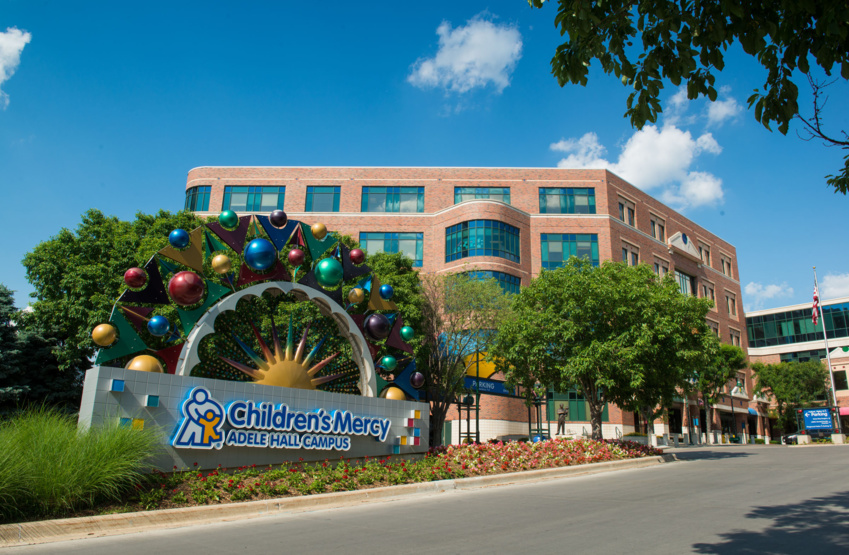
   <title>Children’s Mercy doing cutting edge research on rare pediatric cancers</title>
   <updated>2023-03-16T06:38:00+01:00</updated>
   <id>https://www.dailycsr.com/Children-s-Mercy-doing-cutting-edge-research-on-rare-pediatric-cancers_a2564.html</id>
   <category term="Companies" />
   <photo:imgsrc>https://www.dailycsr.com/photo/art/imagette/71477520-49801818.jpg</photo:imgsrc>
   <published>2023-03-16T06:30:00+01:00</published>
   <author><name>Debashish Mukherjee</name></author>
   <content type="html">
    <![CDATA[
     <div style="position:relative; text-align : center; padding-bottom: 1em;">
      <img src="https://www.dailycsr.com/photo/art/default/71477520-49801818.jpg?v=1678946278" alt="Children’s Mercy doing cutting edge research on rare pediatric cancers" title="Children’s Mercy doing cutting edge research on rare pediatric cancers" />
     </div>
     <div>
      <div style="text-align: justify;">“Pediatricians like to say children are not little adults, and accordingly, pediatric cancer is not just the miniature form of adult cancer,” said Midhat Farooqi, MD, PhD, Director of Molecular Oncology, Genomic Medicine Center at&nbsp;<a class="link" href="https://www.childrensmercy.org/" target="_blank">Children’s Mercy Kansas City</a>  &nbsp;in Missouri. Historically, less attention and expertise have been devoted to researching cancer in children than adults, but Children’s Mercy is helping lead the effort to change that. <br />   <br />  The hospital has grown from its humble beginnings with just one bed in 1897 to 390 inpatient beds and 16 locations today. In 2022, it had 14,345 paediatric admissions, 60% of which were for patients younger than 10 years old and came from all 50 US states. <br />   <br />  Children's Mercy is also committed to cutting-edge research. The Children's Mercy Research Institute was founded and led by Tom Curran, PhD, FRS, Senior Vice President, Executive Director, Chief Scientific Officer, and Donald J. Hall Eminent Scholar in Pediatric Research, in 2015. The Institute encourages the launch of bold initiatives such as Genomic Answers for Kids (GA4K), led by Tomi Pastinen, MD, PhD, Dee Lyons/Missouri Endowed Chair in Pediatric Genomic Medicine. <br />   <br />  The program's goal is to sequence 30,000 children and their parents, and it recently passed the 1,000 rare disease diagnoses milestone; it primarily addresses cases of rare genetic disease, but, as Farooqi points out, "Pediatric cancer is also a rare disease," and the program&nbsp;is enrolling cancer patients as well. <br />   <br />  Currently, the hospital is conducting 137 studies and trials, 49 of which are in oncology, as well as developing research databases. Erin Guest, MD, Director of the Children's Mercy Cancer Genomics Program, and Alexander Kats, MD, Director of Nephropathology and Transplant Pathology Services, established a paediatric oncology biobank in 2017 to store both solid tumor and leukemic samples. This biobank is now a part of the CAP-accredited Biorepository at the Research Institute, which is overseen by John David Nolen, MD, PhD, Chair of the Department of Pathology and Laboratory Medicine. <br />   <br />  Over 500 patients have enrolled so far, with Farooqi and his team performing whole-genome and whole-exome sequencing on 200 of them. Children's Mercy, The University of Kansas Cancer Center's paediatric consortium partner, was awarded a grant from the National Cancer Institute to share this genomic data as part of the Childhood Cancer Data Initiative. <br />   <br />  Farooqi explains, “Collecting and sharing data nationally and beyond is really important for pediatric cancer because the numbers are low—it can take a few years for the university to register a dozen children with a single tumor type, whereas for adults, let’s say, the same number of cases could be accrued within a month. If we all work together, we can amass higher numbers of rare tumor types within pediatrics as well.” <br />   <br />  <strong>What distinguishes paediatric cancer from adult cancer?</strong></div>    <ul>  	<li style="text-align: justify;">Childhood cancer is uncommon, making research more difficult.</li>  	<li style="text-align: justify;"><span style="text-align: justify;">• Pediatric cancer patients have different genetic mutations than adults, even within the same tumour type.</span></li>  	<li style="text-align: justify;"><span style="text-align: justify;">Pediatric cancer is caused more often by genetic fusions than by genetic mutations, necessitating the development of various targeted therapies.&nbsp;</span></li>  	<li style="text-align: justify;"><span style="text-align: justify;">The younger the patient, the longer chemotherapy side effects could potentially affect them.</span></li>  </ul>    <div style="text-align: justify;">Children's cancer research and diagnosis differ, but their treatment is more complicated, given how much of their life is still ahead of them. This significantly raises the stakes. <br />   <br />  “Non-personalized, general chemotherapy is sort of a poison for all cells,” <span style="text-align: justify;">cautioned </span>Farooqi. <br />   <br />  “It hits cancer cells first because they are dividing faster, but normal cells are also affected, which leads to side effects and sometimes even secondary cancers from the initial therapy itself. We have to be really mindful that after cancer treatment, kids have a much longer lifetime ahead of them, so developing precision therapies that don’t have off-target effects is much more important in pediatrics.” <br />   <br />  Farooqi works in the lab with Lisa Lansdon, PhD, Assistant Clinical Laboratory Director, who assists the team in their search for clinically actionable variants. Her motivation stems from her first encounter with paediatric rare disease and paediatric cancer: when she was in elementary school, a friend was diagnosed with Diamond-Blackfan anaemia, an inherited blood disorder. <br />   <br />  “He ended up passing away in sixth grade after developing leukemia,” she said. “It was a really impressionable experience for me, and I knew that genetics was where I wanted to land.” <br />   <br />  Farooqi was also motivated by a personal connection. His grandfather was diagnosed with cancer while he was in residency. <br />   <br />  “That made me see the value of genetic testing for oncology,” he says. “Because one of the things we’re finding is that every patient’s cancer is unique, and that there are many, many different roads that a cell can take to become a tumor cell. So, figuring out which path that is can have a really big impact on the diagnosis, prognosis, and treatment for every patient with cancer.” <br />   <br />  <strong>Why do children get cancer?</strong> <br />  The majority of the time, the answer to this question is unknown. Children have had much less exposure to environmental toxins and less time to accumulate "somatic mutations," which typically occur after birth and can lead to cancer, than adults. We know that 10%-15% of all childhood cancers are caused by a predisposition—they have a "germline mutation," usually inherited from a parent at conception, that increases their lifetime risk of cancer. However, this is not significantly different from the 5%-10% rate of adult cancers caused by germline mutations. More research is needed to answer this question in general. <br />   <br />  <strong>A new exome test is available for patients</strong> <br />  Children's Mercy recently introduced a clinical exome-based test for newly diagnosed or relapsed paediatric oncology patients. The CAP- and CLIA-certified lab at the Genomic Medicine Center performs the exome-based sequencing test at 300 coverage on samples of the patient's tumor tissue and healthy tissue (also known as tumor/normal testing), analyzing the former for somatic variants and the latter for germline variants. <br />   <br />  The benefit of performing this paired tumor/normal testing is that it informs the clinical team about which specific variants are present in the tumor—if the variant is also present in the healthy tissue, the patient's blood relatives may benefit from being tested as well. <br />   <br />  “Otherwise, for some variants you always have this question of, ‘Is this variant in the germline?’” Farooqi says. “And if you’re trying to target mutations only in the tumor, then it helps to be absolutely sure that the variant is somatic.” <br />   <br />  Most adult reference laboratories perform a high volume of tumor-only testing. Some academic and commercial labs will perform paired tumor/normal testing, but this is more of an exception than the rule. Children's Mercy tests both under one roof and provides a paired germline variant report, thanks to an extremely supportive clinical group, hospital administration, and the Kansas City philanthropic community. <br />   <br />  “We’re lucky to have the support of the Hematology/Oncology group, under the direction of Alan Gamis, MD, MPH, and the Genetics Division of Pathology, directed by Carol Saunders, PhD,” said&nbsp;Farooqi while adding, “Financial assistance from local foundations such as Black &amp; Veatch, Big Slick, Braden’s Hope for Childhood Cancer, as well as many others have been a big help. Plus, our hospital’s Philanthropy department and Senior Vice President of Allied Health Brian O’Neal, PharmD, MS, created a framework to ensure that no patient at Children’s Mercy would have to pay out of pocket for this testing, which is amazing!” <br />   <br />  <strong>A promising future</strong> <br />  Farooqi, who joined the hospital in 2016, is overjoyed to be able to offer the exome-based test with a faster turnaround time and the opportunity to share data for research. <br />   <br />  “Time is of the essence for our patients with cancer, so having accelerated capabilities to do paired tumor-normal analysis clinically in real time, plus the accuracy of the variant calling, makes the integration of our NovaSeq 6000 with Illumina Connected Software critical to our workflow,” said&nbsp;<span style="text-align: justify;">Farooqi.</span> <br />   <br />  “Since we’ve laid a foundation, I am now most excited about getting to grow the program to offer more research insights and clinical tests—we are keenly interested in analyzing the sequence data for microsatellite instability and tumor mutational burden, as well as pharmacogenomics, to look at variants that could impact dosing for chemotherapy medicines.” <br />   <br />  “We can see a path toward the future,” Lansdon adds. “We’re going to be able to develop additional tests that we can layer on top, get better insights, and give the latest and greatest information to our clinical teams. We have a laundry list a mile long of all the things that we could do in this vision for the future, and that’s super exciting, because it means that it doesn’t stop here with our new clinical exome test. For us, it really is just the beginning.” <br />   <br />  To know more about Illumina’s expanding access to genomics, click<a class="link" href="https://www.illumina.com/company/about-us/corporate-social-responsibility/patient-access.html" target="_blank">&nbsp;here</a>.</div>  
     </div>
     <br style="clear:both;"/>
    ]]>
   </content>
   <link rel="alternate" href="https://www.dailycsr.com/Children-s-Mercy-doing-cutting-edge-research-on-rare-pediatric-cancers_a2564.html" />
  </entry>
</feed>