<?xml version="1.0" encoding="UTF-8"?>
<feed xmlns="http://www.w3.org/2005/Atom"  xmlns:media="http://search.yahoo.com/mrss/" xmlns:dc="http://purl.org/dc/elements/1.1/" xmlns:itunes="http://www.itunes.com/dtds/podcast-1.0.dtd" xmlns:geo="http://www.w3.org/2003/01/geo/wgs84_pos#" xmlns:georss="http://www.georss.org/georss" xmlns:photo="http://www.pheed.com/pheed/">
 <title>Daily CSR</title>
 <subtitle><![CDATA[Daily CSR delivers latest news and in-depth coverage about corporate social responsibility, ethics and sustainability]]></subtitle>
 <link rel="alternate" type="text/html" href="https://www.dailycsr.com" />
 <link rel="self" type="text/xml" href="https://www.dailycsr.com/xml/atom.xml" />
 <id>https://www.dailycsr.com/</id>
 <updated>2026-10-07T15:31:55+02:00</updated>
 <generator uri="http://www.wmaker.net">Webzine Maker</generator>
  <icon>https://www.dailycsr.com/favicon.ico</icon>
  <entry>
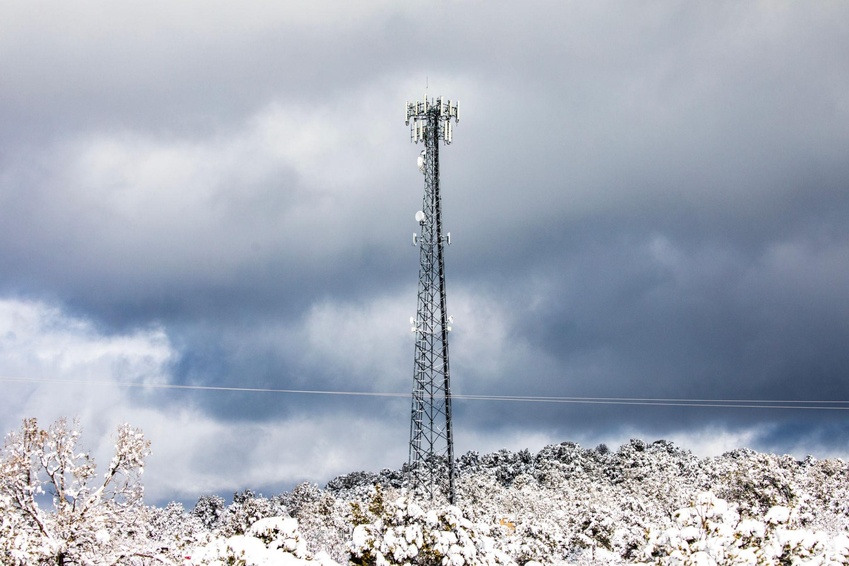
   <title>Nokia Advances Digital Resilience Against Extreme Weather</title>
   <updated>2026-10-01T17:01:00+02:00</updated>
   <id>https://www.dailycsr.com/Nokia-Advances-Digital-Resilience-Against-Extreme-Weather_a6183.html</id>
   <category term="Companies" />
   <photo:imgsrc>https://www.dailycsr.com/photo/art/imagette/98232362-68451723.jpg</photo:imgsrc>
   <published>2026-10-01T16:55:00+02:00</published>
   <author><name>Debashish Mukherjee</name></author>
   <content type="html">
    <![CDATA[
     <div style="position:relative; text-align : center; padding-bottom: 1em;">
      <img src="https://www.dailycsr.com/photo/art/default/98232362-68451723.jpg?v=1790866875" alt="Nokia Advances Digital Resilience Against Extreme Weather" title="Nokia Advances Digital Resilience Against Extreme Weather" />
     </div>
     <div>
      <div style="text-align: justify;">When severe weather disrupts communities, digital connectivity can become an essential lifeline. Communication networks support emergency response, keep critical services operating and help communities remain connected when physical infrastructure is under pressure. Their value can easily go unnoticed during normal conditions, but becomes immediately apparent when connectivity is interrupted. <br />   <br />  This year's <em>World Telecommunication and Information Society Day</em> theme, <em>“Digital lifelines – Strengthening resilience in a connected world,”</em> highlights the growing importance of resilient digital infrastructure. Climate change is no longer simply an environmental issue. Increasingly, it represents a direct operational challenge for organizations and societies that depend on interconnected physical and digital systems.</div>    <h3 style="text-align: justify;">Extreme Weather Is Increasing Pressure on Infrastructure</h3>    <div style="text-align: justify;">Climate change is increasingly being experienced through severe storms, flooding, extreme heat and wildfires. These events can place significant and immediate pressure on power systems, communications networks and other essential infrastructure. <br />   <br />  Nokia and CGI are conducting a joint assessment examining how extreme weather could affect connectivity infrastructure in the United States and India. The study draws on several sources of information, including World Bank projections, EM-DAT disaster records and primary survey data. <br />   <br />  Early findings indicate that extreme weather events are not only becoming more intense but are also occurring in more concentrated and extended patterns. This can create multiple, overlapping pressures on infrastructure rather than producing isolated disruptions. <br />   <br />  In the United States, the research identifies an upward trend in severe storm activity. Peak years have recorded as many as 23 major storm events, accompanied by increasingly intense and concentrated rainfall. <br />   <br />  In India, the assessment points to growing flood exposure associated with heavier rainfall. The number of days receiving more than 50 mm of rain is projected to increase substantially over the longer term, potentially reaching up to seven times the levels seen in shorter-term baseline periods. At the same time, pre-monsoon temperatures are becoming more persistent and intense. <br />   <br />  Higher-emission scenarios amplify these risks in both countries. The findings suggest that extreme weather is increasingly capable of placing sustained, systemic pressure on critical infrastructure rather than causing occasional, isolated interruptions. <br />   <br />  Climate adaptation is therefore an ongoing process, while climate resilience represents the desired outcome: infrastructure and services that can anticipate disruption, withstand shocks, recover efficiently and adapt to changing conditions. Technology has an important role in enabling that resilience.</div>    <h3 style="text-align: justify;">Nokia's Approach to Climate Resilience</h3>    <div style="text-align: justify;">Nokia views resilience as the ability of critical systems — including connectivity, energy and public services — to remain operational during periods of severe environmental stress. These systems must also be considered as interconnected networks rather than as individual components operating independently. <br />   <br />  The company's approach centers on three areas:</div>    <ol>  	<li style="text-align: justify;"><strong>Direct control:</strong> Improving the resilience of Nokia's own operations and technologies.</li>  	<li style="text-align: justify;"><strong>Shared control:</strong> Helping customers strengthen the reliability and resilience of their networks and services.</li>  	<li style="text-align: justify;"><strong>Indirect influence:</strong> Working with ecosystem partners to support resilience at the wider community and societal level.</li>  </ol>    <div style="text-align: justify;">Artificial intelligence is an important enabler across each of these areas. AI can help systems identify potential disruptions, respond dynamically to changing conditions and accelerate recovery. Resilience must also be developed responsibly, with energy efficiency, circularity and careful resource management remaining important considerations so that sustainability and resilience progress together.</div>    <h3 style="text-align: justify;">Technology for More Resilient Digital Lifelines</h3>    <div style="text-align: justify;">The Nokia–CGI assessment identifies several ways extreme weather can affect communications infrastructure. <br />   <br />  Higher temperatures and environmental conditions can reduce the performance of communications equipment, while storms and flooding can physically damage network assets. Dependence on electrical grids can also cause a localized infrastructure problem to spread across wider areas. Meanwhile, dangerous conditions and limited physical access can make repairs and recovery more difficult. <br />   <br />  Nokia's role includes providing technologies that help customers prepare for, withstand and recover from these disruptions. These capabilities can support business continuity, reduce operational risks and protect long-term economic value. They include:</div>    <ul>  	<li style="text-align: justify;"><strong>Next-generation mobile networks with satellite-integrated connectivity:</strong> Satellite capabilities can supplement terrestrial networks, helping maintain communications during disasters while extending coverage to remote and difficult-to-reach locations.</li>  	<li style="text-align: justify;"><strong>High-capacity fiber networks:</strong> Fiber infrastructure provides stable, low-latency and energy-efficient data connectivity across large geographic areas.</li>  	<li style="text-align: justify;"><strong>AI-driven network operations and predictive hardware maintenance:</strong> These capabilities can identify potential equipment problems and reduce the need for personnel to visit sites during dangerous conditions.</li>  	<li style="text-align: justify;"><strong>Resilient distributed cloud architectures:</strong> Dynamic traffic management and workload distribution across multiple regions can help maintain digital services during disruptions, including incidents affecting data centers.</li>  	<li style="text-align: justify;"><strong>Automated LTE/5G-connected drone platforms:</strong> Drones can provide real-time situational awareness, inspect infrastructure, assess damage and support emergency response for utilities, transportation networks, public safety organizations and industrial operations.</li>  	<li style="text-align: justify;"><strong>Environmental monitoring through fiber and situational-awareness technologies:</strong> Existing fiber infrastructure and sensing technologies can provide information that supports faster decisions and more effective responses during emergencies.</li>  	<li style="text-align: justify;"><strong>Mission-critical and private wireless networks:</strong> These networks provide secure and highly reliable communications for public safety organizations, utilities and other critical industries.</li>  </ul>    <h3 style="text-align: justify;">Keeping Communities Connected During Crises</h3>    <div style="text-align: justify;">Ultimately, resilience is about more than keeping infrastructure operational. It is about protecting people and helping communities function during periods of uncertainty. <br />   <br />  When communications networks remain available, emergency calls can be completed, hospitals can stay connected, families can communicate and authorities can coordinate response and recovery efforts. Reliable connectivity can therefore have effects that extend well beyond the technology itself, supporting social stability when communities face major disruptions. <br />   <br />  Building this level of resilience requires cooperation. No single organization can address the challenge alone. Operators, governments, humanitarian organizations and technology partners must work together to develop and deploy solutions that can strengthen connectivity and reach the communities and locations that need them most. <br />   <br />  Click <a class="link" href="https://www.nokia.com/about-us/sustainability/">here</a>  to know more.</div>  
     </div>
     <br style="clear:both;"/>
    ]]>
   </content>
   <link rel="alternate" href="https://www.dailycsr.com/Nokia-Advances-Digital-Resilience-Against-Extreme-Weather_a6183.html" />
  </entry>
  <entry>
   <title>Motorola Employee Honored for Police Volunteer Service</title>
   <updated>2026-09-30T16:43:00+02:00</updated>
   <id>https://www.dailycsr.com/Motorola-Employee-Honored-for-Police-Volunteer-Service_a6181.html</id>
   <category term="Companies" />
   <photo:imgsrc>https://www.dailycsr.com/photo/art/imagette/98219215-68440260.jpg</photo:imgsrc>
   <published>2026-09-30T16:41:00+02:00</published>
   <author><name>Debashish Mukherjee</name></author>
   <content type="html">
    <![CDATA[
     <div style="position:relative; text-align : center; padding-bottom: 1em;">
      <img src="https://www.dailycsr.com/photo/art/default/98219215-68440260.jpg?v=1790779389" alt="Motorola Employee Honored for Police Volunteer Service" title="Motorola Employee Honored for Police Volunteer Service" />
     </div>
     <div>
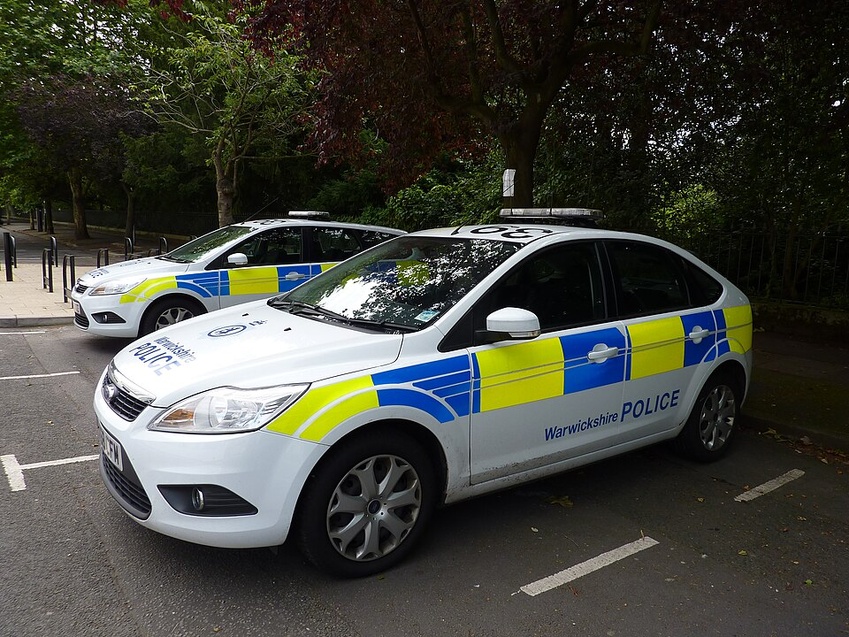
      <div style="text-align: justify;">For many people, vacation is an opportunity to step away from work and unwind. For Mike Beddoes, a Motorola Solutions employee in the U.K., time away from his regular job often means taking on another responsibility — helping protect the community as a volunteer police officer. <br />   <br />  For the past nine years, Mike has maintained two demanding roles. During his working hours, he contributes to innovation at Motorola Solutions. Outside of work, he serves as a fully warranted volunteer officer with the Warwickshire Police Special Constabulary. Most recently, he dedicated four weeks of his personal leave to completing an intensive emergency driving course, further strengthening his ability to respond in critical situations.</div>    <h3 style="text-align: justify;">The Responsibility Behind the Uniform</h3>    <div style="text-align: justify;">As a Special Constable, Mike has the same uniform and police powers as a regular full-time officer. Over the years, he has accumulated more than 3,000 hours of service — equivalent to roughly two years of full-time police work. <br />   <br />  His motivation to serve began during his university years. While commuting, Mike regularly saw police officers responding to difficult and unpredictable situations. Their ability to remain composed while helping people during some of their most challenging moments left a lasting impression on him. Eventually, he decided he wanted to move beyond simply observing their work and play an active role in supporting his community.</div>    <h3 style="text-align: justify;">Responding When It Matters Most</h3>    <div style="text-align: justify;">Mike's responsibilities have included everything from regular patrol duties to responding to emergencies where lives are at risk. His commitment was particularly evident when he responded to a major house fire while off duty. <br />   <br />  Without hesitation, he entered the dangerous situation, provided first aid to people trapped inside and assisted in efforts to bring the fire under control. The incident earned him his fourth Chief Constable's Commendation. <br />   <br />  His 3,000-plus hours of volunteer service, combined with his response to the fire, also led to him receiving the 2025 CEO Award for Volunteerism, the highest recognition Motorola Solutions gives for volunteer service. <br />   <br />  “Receiving this type of recognition is an incredible honor,” said Mike. “But the real reward is the impact we get to make on the ground. When you’re responding to an emergency or stepping into a critical situation, you aren’t thinking about the hours or the personal time off you gave up — you’re just focusing on the person who needs your help. I’m grateful to be in a position to protect and serve the community I live in.”</div>    <h3 style="text-align: justify;">Bringing Front-Line Experience to Motorola Solutions</h3>    <div style="text-align: justify;">Mike's two roles also give him a valuable connection between the technology developed by Motorola Solutions and the first responders who depend on it in the field. <br />   <br />  His experience as a police officer provides firsthand insight into what emergency personnel need when circumstances become critical. When he uses a radio during an emergency, he understands that dependable communications are not simply a matter of convenience. A clear connection and reliable equipment can be essential to the safety of officers and members of the public. <br />   <br />  Mike carries this front-line perspective into his work at Motorola Solutions, helping reinforce the importance of designing technology around the real-world needs of the people who use it.</div>    <h3 style="text-align: justify;">A Mission That Extends Beyond Technology</h3>    <div style="text-align: justify;">Mike's story illustrates how the company's purpose can reach far beyond the products and technologies it develops. The broader impact can also be seen in the people who dedicate their time and skills to supporting their communities. <br />   <br />  His commitment reflects the spirit shared by Motorola Solutions employees around the world who combine their professional expertise with a desire to serve others and help create safer communities. <br />  &nbsp; <br />  &nbsp;</div>  
     </div>
     <br style="clear:both;"/>
    ]]>
   </content>
   <link rel="alternate" href="https://www.dailycsr.com/Motorola-Employee-Honored-for-Police-Volunteer-Service_a6181.html" />
  </entry>
  <entry>
   <title>Nokia Advances Resilient Connectivity for Extreme Weather</title>
   <updated>2026-09-28T12:08:00+02:00</updated>
   <id>https://www.dailycsr.com/Nokia-Advances-Resilient-Connectivity-for-Extreme-Weather_a6168.html</id>
   <category term="Companies" />
   <photo:imgsrc>https://www.dailycsr.com/photo/art/imagette/98180870-68378407.jpg</photo:imgsrc>
   <published>2026-09-28T12:06:00+02:00</published>
   <author><name>Debashish Mukherjee</name></author>
   <content type="html">
    <![CDATA[
     <div style="position:relative; text-align : center; padding-bottom: 1em;">
      <img src="https://www.dailycsr.com/photo/art/default/98180870-68378407.jpg?v=1790590103" alt="Nokia Advances Resilient Connectivity for Extreme Weather" title="Nokia Advances Resilient Connectivity for Extreme Weather" />
     </div>
     <div>
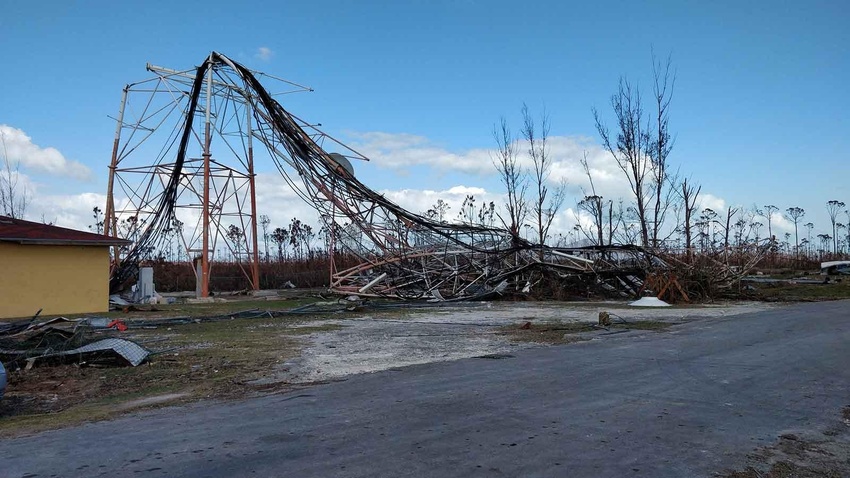
      <div style="text-align: justify;">As climate change continues to influence weather patterns, communities are facing extreme events such as hurricanes, droughts, floods, and severe storms with increasing frequency and intensity. When disasters occur, disruptions to electricity, communications, transportation, healthcare, and emergency services can magnify the damage and make recovery more difficult. Ensuring that these critical systems remain operational during emergencies is therefore becoming an increasingly important priority. <br />   <br />  Climate projections indicate that many extreme weather events are likely to become more intense in the coming decades. This makes advance planning essential for governments, emergency organizations, infrastructure operators, and other decision-makers seeking to reduce the impact of weather-related disruptions on services that communities depend on. <br />   <br />  As a provider of connectivity infrastructure, Nokia operates across many of these essential sectors, including energy, transportation, healthcare, telecommunications, and emergency response. Reliable communications provide the foundation that enables these different systems to exchange information and coordinate their activities when a crisis occurs.</div>    <h2 style="text-align: justify;">Connectivity as the foundation of resilient communities</h2>    <div style="text-align: justify;">A resilient community depends on several interconnected elements working effectively together:</div>    <ol>  	<li style="text-align: justify;"><strong>Weather intelligence</strong> to identify developing threats and provide timely warnings.</li>  	<li style="text-align: justify;"><strong>Critical infrastructure</strong>, including telecommunications and utilities, to keep essential services operating.</li>  	<li style="text-align: justify;"><strong>Coordinated emergency response</strong> involving public safety organizations, healthcare institutions, and local authorities.</li>  	<li style="text-align: justify;"><strong>Community recovery networks</strong>, supported by governments, NGOs, schools, shelters, and other organizations.</li>  </ol>    <div style="text-align: justify;">These components are closely linked, meaning that the failure of one can trigger problems elsewhere. For instance, an extended electricity outage can interrupt wastewater treatment and drainage systems, potentially increasing flood-related risks. Similarly, a communications failure can prevent residents from receiving warnings and make it harder for first responders to coordinate their activities. <br />   <br />  Past disasters in the United States illustrate the consequences of such interconnected failures. Hurricane Sandy in 2012 resulted in widespread power outages across 18 states and disrupted wastewater infrastructure, contributing to additional flooding and public-health concerns. During Hurricane Helene in 2024, responders in Tennessee used an alternative statewide radio system to coordinate a helicopter rescue after conventional radio communications became unavailable. <br />   <br />  The growing dependence on communications infrastructure is placing greater expectations on telecommunications companies to maintain connectivity during emergencies. Five major factors are contributing to this shift:</div>    <ol>  	<li style="text-align: justify;"><strong>Financial exposure and risk</strong></li>  	<li style="text-align: justify;"><strong>Increasing regulatory and government expectations</strong></li>  	<li style="text-align: justify;"><strong>Community responsibility and social-impact commitments</strong></li>  	<li style="text-align: justify;"><strong>Opportunities to strengthen the wider infrastructure ecosystem</strong></li>  	<li style="text-align: justify;"><strong>Brand reputation and competitive considerations</strong></li>  </ol>    <div style="text-align: justify;">Recent incidents have demonstrated the consequences of inadequate network resilience. The 2025 electricity blackout across the Iberian Peninsula, for example, affected more than 50 million people in Spain and Portugal, with some areas experiencing outages lasting as long as 16 hours. The failure disrupted numerous critical services at a time when communications were particularly important. Telecommunications networks were also heavily affected, with internet traffic reportedly falling by approximately 90% in Portugal and 80% in Spain. In some areas, mobile connectivity was lost after backup power systems were exhausted. <br />   <br />  The blackout also generated criticism of telecommunications operators over preparedness and dependence on conventional electricity supplies. Subsequent severe weather events further highlighted the vulnerability of infrastructure across the region. <br />   <br />  Storm Claudia caused flooding and electricity disruptions in parts of Portugal and Spain, while Storm Kristin subsequently caused widespread damage in Portugal, leaving more than one million people without electricity and bringing down thousands of telecommunications and electricity poles. In response to these vulnerabilities, Spain announced plans requiring telecommunications providers to maintain a minimum of four hours of mobile service during power outages. Portugal's telecommunications regulator has also recommended additional requirements aimed at increasing network autonomy. <br />   <br />  The challenge extends well beyond Europe. Telecommunications infrastructure in remote parts of North America has also been exposed to extreme weather risks. Canada's 2024 wildfires, for example, highlighted connectivity limitations affecting rural and remote communities. <br />   <br />  Research conducted by Nokia in collaboration with CGI, examining disasters recorded between 2015 and 2025, found that among U.S. states with a Nokia presence, Texas recorded 87 disasters during that period, followed by Missouri with 61 and Oklahoma with 58. The frequency and combination of these events reinforce the need for telecommunications providers to prepare for disruption before disasters occur rather than relying solely on recovery measures afterward.</div>    <h2 style="text-align: justify;">Building resilience into connectivity systems</h2>    <div style="text-align: justify;">Future connectivity infrastructure will need resilience to be considered from the earliest stages of planning. This means incorporating resilience into network design, deployment, day-to-day operations, maintenance, and restoration strategies. <br />   <br />  For telecommunications companies, stronger network resilience can reduce exposure to future disruptions while helping ensure that electricity, healthcare, emergency response, transportation, and other essential services remain connected. Ultimately, strengthening communications infrastructure also contributes to the resilience of the communities that rely on it.</div>    <h2 style="text-align: justify;">Nokia's approach to AI-enabled resilient connectivity</h2>    <div style="text-align: justify;">Nokia is working with telecommunications companies and other organizations responsible for mission-critical services to strengthen resilience across entire infrastructure ecosystems. Its approach extends beyond basic connectivity, incorporating network infrastructure, sensing and detection technologies, power continuity, edge computing, and other capabilities that can help essential organizations remain operational during emergencies.</div>    <ul>  	<li style="text-align: justify;"><strong>Foundational connectivity:</strong> High-capacity fiber networks can provide dependable communications for critical services, while satellite-enabled Non-Terrestrial Network architectures can offer alternative connectivity when terrestrial infrastructure is damaged or unavailable.</li>  	<li style="text-align: justify;"><strong>Sensing and detection:</strong> Existing fiber-optic and 5G infrastructure can potentially be used as large-scale sensing platforms, providing real-time information that supports disaster monitoring and weather forecasting. Nokia's work with organizations including Skyfora, A1, and Telia Finland combines telecommunications infrastructure and GNSS capabilities to develop higher-resolution weather-sensing networks.</li>  	<li style="text-align: justify;"><strong>Power continuity:</strong> Telecommunications technology also plays an important role in the modernization of electricity networks. Nokia supports utilities and power-generation organizations in improving their communications infrastructure and operational capabilities. In New Zealand, for example, Nokia is supporting Transpower's upgrade of its central control network, with the objective of strengthening the resilience of the country's electricity infrastructure.</li>  	<li style="text-align: justify;"><strong>Edge resilience:</strong> Edge technologies can help maintain mission-critical communications during outages and cyber incidents. Nokia's Cognitive Operations platform and Cognitive Edge Node can enable emergency vehicles to operate as mobile communications hubs, supporting 5G, Wi-Fi, and satellite connectivity while allowing personnel to exchange real-time information from the field.</li>  </ul>    <h2 style="text-align: justify;">The role of artificial intelligence</h2>    <div style="text-align: justify;">Artificial intelligence is becoming an important component of resilient infrastructure strategies. Within telecommunications networks and across interconnected infrastructure ecosystems, AI can support applications ranging from climate-risk analysis to automated network recovery and the prioritization of resources during emergencies. <br />   <br />  Technologies such as Nokia's AI-RAN platform and MantaRay SON can help identify potential network problems and enable corrective action before service is significantly affected. AI-powered digital twins can also help communities and infrastructure operators model potential scenarios, locate vulnerabilities, evaluate risks, and implement improvements before an actual disaster occurs.</div>    <h2 style="text-align: justify;">Collaboration across infrastructure ecosystems</h2>    <div style="text-align: justify;">Resilience cannot be achieved by telecommunications companies alone. Governments, utilities, emergency services, healthcare providers, technology companies, community organizations, and other infrastructure stakeholders all have roles to play in preparing for increasingly complex climate-related disruptions. <br />   <br />  Nokia's participation in New York City Climate Week from September 20–24 is focused on discussions around resilience and collaboration across these interconnected ecosystems. The company is also participating in a CGI Climate Working Session on Digital Resilience, with further initiatives and actions expected to emerge from these discussions.</div>  
     </div>
     <br style="clear:both;"/>
    ]]>
   </content>
   <link rel="alternate" href="https://www.dailycsr.com/Nokia-Advances-Resilient-Connectivity-for-Extreme-Weather_a6168.html" />
  </entry>
  <entry>
   <title>Verizon Boosts Disaster Response and Community Resilience</title>
   <updated>2026-09-07T14:50:00+02:00</updated>
   <id>https://www.dailycsr.com/Verizon-Boosts-Disaster-Response-and-Community-Resilience_a6111.html</id>
   <category term="Companies" />
   <photo:imgsrc>https://www.dailycsr.com/photo/art/imagette/97948322-68191454.jpg</photo:imgsrc>
   <published>2026-09-07T14:47:00+02:00</published>
   <author><name>Debashish Mukherjee</name></author>
   <content type="html">
    <![CDATA[
     <div style="position:relative; text-align : center; padding-bottom: 1em;">
      <img src="https://www.dailycsr.com/photo/art/default/97948322-68191454.jpg?v=1788785441" alt="Verizon Boosts Disaster Response and Community Resilience" title="Verizon Boosts Disaster Response and Community Resilience" />
     </div>
     <div>
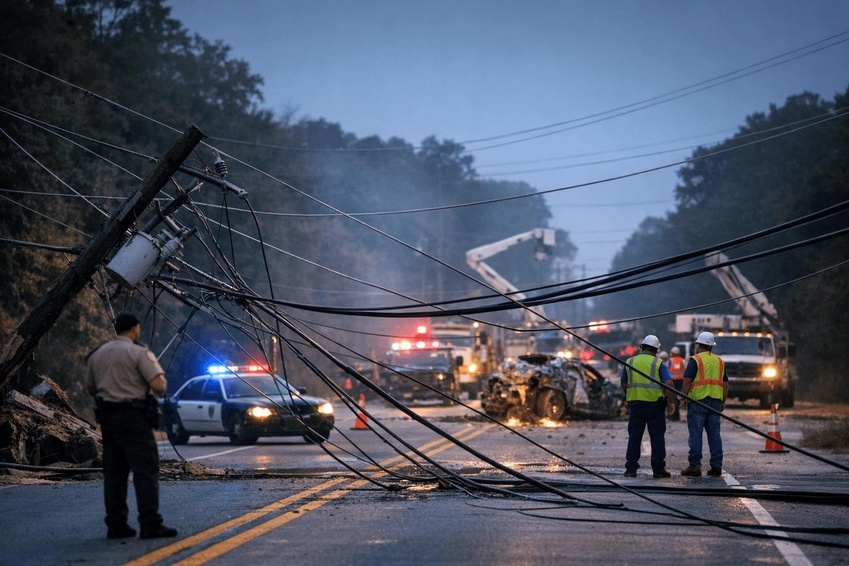
      <p style="text-align:justify;text-justify:inter-ideograph">As extreme weather and natural disasters continue to affect communities across the United States, the need for reliable communications and disaster preparedness has become increasingly important. Verizon is addressing this need through a combination of long-term investments in resilience and rapid-response assistance when emergencies occur. From specialized mobile connectivity resources and community funding to preparedness initiatives, Verizon is working to ensure help and connectivity are available when communities need them most.<o:p></o:p> <br />    <h3 style="text-align:justify;text-justify:inter-ideograph">Responding where help is needed<o:p></o:p></h3>    <p style="text-align:justify;text-justify:inter-ideograph">Verizon's approach to emergencies is built around the principle of moving quickly toward a crisis rather than away from it. The Verizon Frontline Crisis Response team works alongside first responders and emergency personnel, providing critical communications and connectivity through a range of specialized response resources.<o:p></o:p> <br />    <p style="text-align:justify;text-justify:inter-ideograph">After powerful storms affected Northwest Indiana, Verizon quickly deployed satellite communications equipment, 5G routers, and mobile devices to assist local emergency operations. The company is also helping customers affected by the Indiana outages by providing unlimited domestic talk, text, and data to eligible postpaid, small and medium-sized business, and prepaid customers through September 15.<o:p></o:p> <br />    <p style="text-align:justify;text-justify:inter-ideograph">In Hawaiʻi, Verizon sent specialized engineers from its Disaster Incident Response Team to assist technical crews following Hurricane Lala.<o:p></o:p> <br />    <p style="text-align:justify;text-justify:inter-ideograph">Verizon also positioned a variety of mobile resources in Spokane, Washington, including temporary cellular sites, portable generators, and satellite connectivity equipment. These assets were prepared to support rapid restoration efforts and help communities maintain communications during recovery.<o:p></o:p> <br />    <h3 style="text-align:justify;text-justify:inter-ideograph">Community Disaster Resilience vans make an impact<o:p></o:p></h3>    <p style="text-align:justify;text-justify:inter-ideograph">Verizon has expanded its Frontline response capabilities with Community Disaster Resilience (CDR) connectivity vans. These mobile units are designed to bring internet access, charging facilities, and essential emergency supplies directly to neighborhoods affected by disasters.<o:p></o:p> <br />    <p style="text-align:justify;text-justify:inter-ideograph">During the ongoing Hawk Wildfire in Reno, Nevada, one CDR van was stationed at the Reno Community Resource Center. The vehicle provided Wi-Fi, device charging, and printing services while also making essential supplies available to residents, including rechargeable LED flashlights, water, document-protection bags, and charging accessories.<o:p></o:p> <br />    <p style="text-align:justify;text-justify:inter-ideograph">Following severe storms across the Midwest, another CDR van assisted hundreds of displaced residents and shelter guests in Hobart and Gary, Indiana. The team provided bottled water, Wi-Fi access, and continuous charging for residents' electronic devices.<o:p></o:p> <br />    <p style="text-align:justify;text-justify:inter-ideograph">In Spokane, Washington, a CDR van supported the Spokane Disaster Assistance Center. Residents had access to secure charging lockers, tabletop charging stations, and public-use Chromebooks. Verizon teams also distributed emergency supplies such as flashlights, document dry bags, and N95 masks to help residents cope with deteriorating air quality.<o:p></o:p> <br />    <p style="text-align:justify;text-justify:inter-ideograph">Verizon's assistance in Spokane extended beyond the mobile van. The company supplied emergency charging kits to American Red Cross evacuation shelters and designated local Verizon retail locations as community charging centers.<o:p></o:p> <br />    <p style="text-align:justify;text-justify:inter-ideograph">When a tornado forced dozens of residents from their homes in Steger, Illinois, a CDR van was deployed directly to the shelter, bringing communications and charging infrastructure to those in need. Fay Kiaurakis, Director of the Louis Sherman Community Center, praised the assistance Verizon provided during the emergency:<o:p></o:p> <br />    <p style="text-align:justify;text-justify:inter-ideograph">“Your charging stations were a godsend; we were running out of outlets…There are not enough words for how grateful I am for…Verizon for coming to our aid. Thank you for sending the truck and [the team]. They are welcome here anytime and so is Verizon.”<o:p></o:p> <br />    <p style="text-align:justify;text-justify:inter-ideograph"><strong>Fay Kiaurakis</strong> <br />  Director, Louis Sherman Community Center<o:p></o:p> <br />    <p style="text-align:justify;text-justify:inter-ideograph">In Menasha, Wisconsin, a CDR connectivity van was sent into storm-affected neighborhoods after severe weather disrupted local services. The vehicle offered high-speed emergency Wi-Fi and multi-device charging lockers, while Verizon teams distributed preparedness supplies such as LED flashlights and collapsible water bottles to help residents prepare for future emergencies.<o:p></o:p> <br />    <h3 style="text-align:justify;text-justify:inter-ideograph">Supporting disaster recovery through community investment<o:p></o:p></h3>    <p style="text-align:justify;text-justify:inter-ideograph">Verizon's disaster response extends beyond immediate field operations. The company is also providing financial assistance to nonprofit organizations working directly with people and communities affected by natural disasters.<o:p></o:p> <br />    <p style="text-align:justify;text-justify:inter-ideograph"><strong>Indiana:</strong> Verizon is providing $20,000 in emergency relief funding to two organizations supporting recovery efforts. The United Way of Northwest Indiana will receive $10,000 to help coordinate direct assistance for families rebuilding after the disaster. Another $10,000 is being provided to the American Red Cross Indiana Region to support shelters and emergency supplies.<o:p></o:p> <br />    <p style="text-align:justify;text-justify:inter-ideograph"><strong>Hawaiʻi:</strong> Building on its partnership with the Hawaiʻi Community Foundation during the 2023 Maui fires, Verizon is again working with the organization through its Stronger Hawaiʻi Fund. Verizon's $15,000 contribution will help strengthen statewide preparedness, emergency response, recovery, mitigation, and resilience efforts.<o:p></o:p> <br />    <p style="text-align:justify;text-justify:inter-ideograph"><strong>Washington:</strong> Verizon is contributing $25,000 to the Innovia Foundation's Spokane Complex Wildfire Response Fund. The funding is intended to address both immediate requirements and longer-term community needs resulting from the ongoing wildfires in the Spokane area.<o:p></o:p> <br />    <p style="text-align:justify;text-justify:inter-ideograph"><strong>West Virginia:</strong> Verizon has contributed $25,000 to the West Virginia Chamber of Commerce Foundation to help coordinate community resources and direct assistance. The company has also provided an additional $25,000 to the Tygart Valley United Way, working with the West Virginia University Center for Community Engagement to support the Lewis and Upshur Flood Fund and families in some of the state's hardest-hit counties.<o:p></o:p> <br />    <h3 style="text-align:justify;text-justify:inter-ideograph">Helping communities prepare before disaster strikes<o:p></o:p></h3>    <p style="text-align:justify;text-justify:inter-ideograph">Disaster response is only one part of Verizon's resilience strategy. During September's National Preparedness Month, the company is also encouraging communities to take steps to prepare before severe weather or other emergencies occur.<o:p></o:p> <br />    <p style="text-align:justify;text-justify:inter-ideograph">As part of its Community Disaster Resilience efforts, Verizon is once again helping residents prepare ahead of potential disasters. Select Verizon stores in California, Colorado, Idaho, New Mexico, Tennessee, Texas, and Washington will distribute free portable chargers to community members while supplies last.<o:p></o:p> <br />    <p style="text-align:justify;text-justify:inter-ideograph">The initiative also encourages residents to develop personal digital preparedness plans so they can maintain access to essential information and communications during an emergency.<o:p></o:p> <br />    <p style="text-align:justify;text-justify:inter-ideograph">By combining emergency response capabilities, community partnerships, financial support, and advance preparedness initiatives, Verizon is working to strengthen resilience before, during, and after natural disasters.<o:p></o:p> <br />  
     </div>
     <br style="clear:both;"/>
    ]]>
   </content>
   <link rel="alternate" href="https://www.dailycsr.com/Verizon-Boosts-Disaster-Response-and-Community-Resilience_a6111.html" />
  </entry>
  <entry>
   <title>T-Mobile Helps Indiana Communities Recover From Power Outages</title>
   <updated>2026-09-07T14:30:00+02:00</updated>
   <id>https://www.dailycsr.com/T-Mobile-Helps-Indiana-Communities-Recover-From-Power-Outages_a6110.html</id>
   <category term="Companies" />
   <photo:imgsrc>https://www.dailycsr.com/photo/art/imagette/97948082-68191174.jpg</photo:imgsrc>
   <published>2026-09-07T14:28:00+02:00</published>
   <author><name>Debashish Mukherjee</name></author>
   <content type="html">
    <![CDATA[
     <div style="position:relative; text-align : center; padding-bottom: 1em;">
      <img src="https://www.dailycsr.com/photo/art/default/97948082-68191174.jpg?v=1788784201" alt="T-Mobile Helps Indiana Communities Recover From Power Outages" title="T-Mobile Helps Indiana Communities Recover From Power Outages" />
     </div>
     <div>
      <div style="text-align: justify;">Following severe weather and extended power outages across Indiana, T-Mobile mobilized its teams to help residents, customers and local communities maintain communications while recovery efforts were underway. <br />   <br />  From Friday, August 21, through Tuesday, September 15, T-Mobile is providing unlimited talk, text and data at no additional cost to eligible customers affected by the outages. The offer applies to T-Mobile Postpaid and Prepaid, Metro by T-Mobile, UScellular, Assurance Wireless, Mint and Ultra customers in impacted areas who do not already have unlimited service. <br />   <br />  The company also established community support locations in parts of Indiana, providing free Wi-Fi access and device-charging facilities. These services were open to everyone, regardless of their wireless carrier. <br />   <br />  In Northwest Indiana, assistance was offered in Merrillville, Highland and Gary, while Connersville received support in the east-central part of the state. As commercial electricity service returned and T-Mobile worked with local agencies to assess outstanding needs, on-site operations were brought to an end at certain locations. Teams continued monitoring conditions and remained prepared to respond if necessary. <br />   <br />  T-Mobile's response also included behind-the-scenes efforts to maintain network connectivity. Portable generators and satellite-based backhaul systems were deployed at locations where they were needed, helping keep communications services available as affected communities continued their recovery.</div>  
     </div>
     <br style="clear:both;"/>
    ]]>
   </content>
   <link rel="alternate" href="https://www.dailycsr.com/T-Mobile-Helps-Indiana-Communities-Recover-From-Power-Outages_a6110.html" />
  </entry>
</feed>