The ability to communicate is one of the most powerful forms of personal independence. Yet for millions of people, physical limitations, institutional practices, and inadequate access to resources continue to restrict their ability to express themselves and participate fully in society. An upcoming Public Television feature explores how thoughtful, collaborative service design can help make effective communication an essential right rather than a privilege.
For generations, people with diverse abilities have faced significant challenges in expressing their needs, ideas, preferences, and identities and in developing meaningful connections within their communities. Beginning in June 2026, a production in Maine set out to document innovative approaches that address these longstanding barriers. The educational program examines the combined use of speech-language pathology and individualized assistive communication technology, emphasizing an important principle: the absence of conventional speech does not mean the absence of thoughts, opinions, emotions, or ideas.
At the heart of this work is a broader understanding of personal agency and human dignity. Rather than placing individuals in a passive, care-dependent role, the approach positions them as active participants in decisions affecting their lives. Professionals work alongside individuals and families to identify strengths, understand communication preferences, and develop practical strategies that support greater independence and participation.
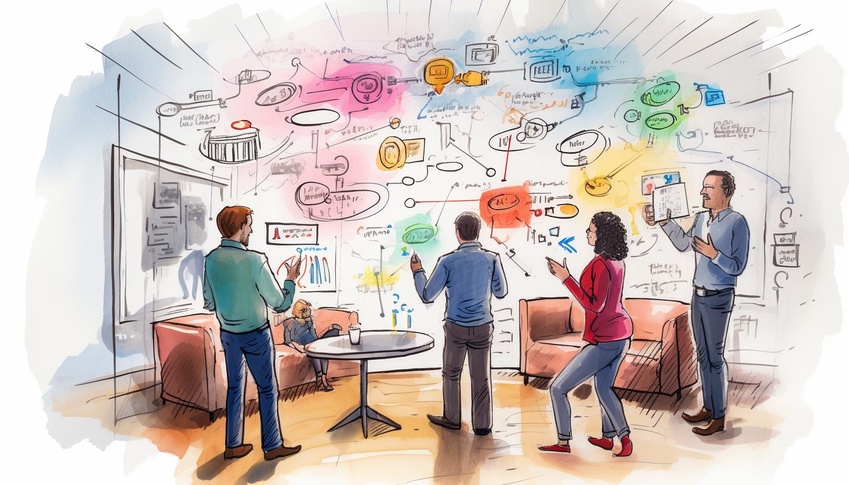
The project also demonstrates the value of cooperation across professional disciplines. By bringing together specialists from different fields and placing the individual at the center of the process, service providers can develop more comprehensive and responsive solutions. This collaborative model moves beyond isolated interventions and demonstrates how intentional organizational planning can encourage creative problem-solving and improve accessibility. The Public Television feature provides an inside look at the systems and resources that can connect an individual's abilities and aspirations with meaningful participation in everyday life.
“At Pine Tree Society, we create the world that we know should exist for all people. Our speech-language pathologists, occupational therapists, and preschool teachers and support teams believe deeply in the potential of each child they encounter, whether or not the child has the ability to communicate or show that strength yet. They collaborate, focus on possibilities, and bring out the abilities and strength in each child,” Kate McElligott, CEO, Pine Tree Society.
Assistive technology has advanced considerably, offering far more sophisticated possibilities than traditional accessibility solutions. However, the availability of advanced technology does not automatically guarantee that people will benefit from it. In education and social services, professionals often encounter disconnected systems, limited resources, and inconsistent support structures. When accessibility is addressed only after a problem emerges, solutions may be fragmented and unable to respond to the full range of an individual's communication and participation needs.
Communication technology also continues to develop rapidly, creating an ongoing need for professional expertise, training, evaluation, and customization. Assistive communication systems are most effective when they evolve alongside the people who use them and remain responsive to changing abilities, environments, and goals.
The same principle applies beyond clinical settings. Schools, community organizations, recreational facilities, and other public environments need to incorporate accessibility and adaptive communication into their planning from the outset. Without this intentional integration, individuals who rely on alternative communication methods can continue to experience unnecessary exclusion.
Meeting these challenges calls for a more comprehensive approach to service delivery—one that connects technology, professional expertise, organizational planning, and community participation. For Pine Tree Society, this means continuing to strengthen collaboration across disciplines and creating coordinated, sustainable systems that support communication, inclusion, and greater independence throughout an individual's life.
For generations, people with diverse abilities have faced significant challenges in expressing their needs, ideas, preferences, and identities and in developing meaningful connections within their communities. Beginning in June 2026, a production in Maine set out to document innovative approaches that address these longstanding barriers. The educational program examines the combined use of speech-language pathology and individualized assistive communication technology, emphasizing an important principle: the absence of conventional speech does not mean the absence of thoughts, opinions, emotions, or ideas.
At the heart of this work is a broader understanding of personal agency and human dignity. Rather than placing individuals in a passive, care-dependent role, the approach positions them as active participants in decisions affecting their lives. Professionals work alongside individuals and families to identify strengths, understand communication preferences, and develop practical strategies that support greater independence and participation.
The project also demonstrates the value of cooperation across professional disciplines. By bringing together specialists from different fields and placing the individual at the center of the process, service providers can develop more comprehensive and responsive solutions. This collaborative model moves beyond isolated interventions and demonstrates how intentional organizational planning can encourage creative problem-solving and improve accessibility. The Public Television feature provides an inside look at the systems and resources that can connect an individual's abilities and aspirations with meaningful participation in everyday life.
“At Pine Tree Society, we create the world that we know should exist for all people. Our speech-language pathologists, occupational therapists, and preschool teachers and support teams believe deeply in the potential of each child they encounter, whether or not the child has the ability to communicate or show that strength yet. They collaborate, focus on possibilities, and bring out the abilities and strength in each child,” Kate McElligott, CEO, Pine Tree Society.
Assistive technology has advanced considerably, offering far more sophisticated possibilities than traditional accessibility solutions. However, the availability of advanced technology does not automatically guarantee that people will benefit from it. In education and social services, professionals often encounter disconnected systems, limited resources, and inconsistent support structures. When accessibility is addressed only after a problem emerges, solutions may be fragmented and unable to respond to the full range of an individual's communication and participation needs.
Communication technology also continues to develop rapidly, creating an ongoing need for professional expertise, training, evaluation, and customization. Assistive communication systems are most effective when they evolve alongside the people who use them and remain responsive to changing abilities, environments, and goals.
The same principle applies beyond clinical settings. Schools, community organizations, recreational facilities, and other public environments need to incorporate accessibility and adaptive communication into their planning from the outset. Without this intentional integration, individuals who rely on alternative communication methods can continue to experience unnecessary exclusion.
Meeting these challenges calls for a more comprehensive approach to service delivery—one that connects technology, professional expertise, organizational planning, and community participation. For Pine Tree Society, this means continuing to strengthen collaboration across disciplines and creating coordinated, sustainable systems that support communication, inclusion, and greater independence throughout an individual's life.
]]>