AISAP, an FDA-cleared artificial intelligence platform designed for point-of-care ultrasound (POCUS), has been highlighted as Case Study #5 in the World Health Organization's latest report, Bridging Theory and Practice (page 21). The report showcases practical implementations of AI in healthcare systems across the globe. Selected from among thousands of AI companies, AISAP was recognized for its collaboration with Sheba Medical Center, one of the world's foremost healthcare institutions.
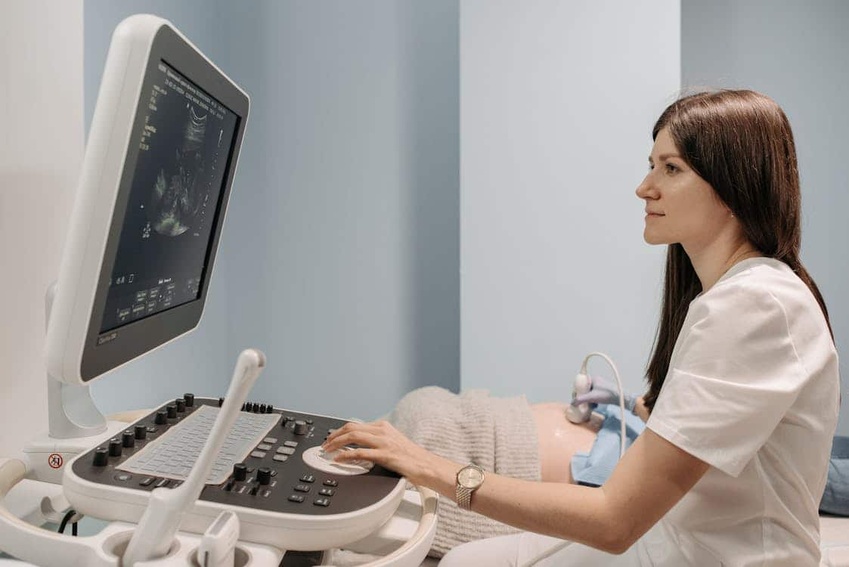
The featured case study describes AISAP's implementation in Sheba Medical Center's internal medicine and emergency departments. Between July 2022 and December 2023, physicians without specialized ultrasound training used the AI-guided cardiac ultrasound system to assess 660 patients. Findings published in Mayo Clinic Proceedings: Digital Health (2026;4(2):100355) revealed that AI-assisted focused cardiac ultrasound (FoCUS) detected clinically significant cardiac abnormalities in 193 patients (29%), including 147 previously unrecognized conditions (22%).
The diagnostic information led to medication adjustments for 49 patients (7%) and interventional procedures for 9 patients (1.4%). In a subgroup of 117 patients whose results were compared with formal echocardiography, the AI-assisted FoCUS achieved 100% sensitivity and 96.9% specificity in identifying significant left ventricular dysfunction, while demonstrating 100% sensitivity and 87.6% specificity for detecting aortic stenosis.
Commenting on the recognition, Robert Klempfner, Chief Medical Officer and Co-Founder of AISAP, said that the WHO acknowledgment reinforces the clinical experience at Sheba Medical Center, where AI-guided POCUS has enabled clinicians across departments to perform specialist-quality cardiac assessments at the bedside within minutes. He noted that validated AI technology has the potential to make expert-level cardiac diagnostics rapidly accessible throughout the hospital.
According to the WHO report, the prospective clinical study conducted at Sheba showed that more than 30% of patient examinations resulted in treatment modifications, expedited discharge, or transitions in care, while each ultrasound examination was completed in less than five minutes. By the second quarter of 2025, the AISAP platform had been used for over 3,000 examinations across six hospital departments and the emergency department, supported by approximately 150 clinicians who had incorporated the technology into their routine practice.
AISAP's CARDIO V1.0 system received FDA 510(k) clearance (K234141) in September 2024. The clearance was supported by a separate multicenter U.S. clinical study demonstrating sensitivity and specificity exceeding 93% for identifying significant ventricular and valvular abnormalities. The study's findings were independently validated by a core laboratory at Mass General Brigham. In addition, Sheba Medical Center has reported operational outcomes from the broader deployment of the platform across the institution, separate from the peer-reviewed clinical research.
The complete WHO report, Bridging Theory and Practice, provides additional information on AISAP's case study and other examples of AI implementation in healthcare.
The featured case study describes AISAP's implementation in Sheba Medical Center's internal medicine and emergency departments. Between July 2022 and December 2023, physicians without specialized ultrasound training used the AI-guided cardiac ultrasound system to assess 660 patients. Findings published in Mayo Clinic Proceedings: Digital Health (2026;4(2):100355) revealed that AI-assisted focused cardiac ultrasound (FoCUS) detected clinically significant cardiac abnormalities in 193 patients (29%), including 147 previously unrecognized conditions (22%).
The diagnostic information led to medication adjustments for 49 patients (7%) and interventional procedures for 9 patients (1.4%). In a subgroup of 117 patients whose results were compared with formal echocardiography, the AI-assisted FoCUS achieved 100% sensitivity and 96.9% specificity in identifying significant left ventricular dysfunction, while demonstrating 100% sensitivity and 87.6% specificity for detecting aortic stenosis.
Commenting on the recognition, Robert Klempfner, Chief Medical Officer and Co-Founder of AISAP, said that the WHO acknowledgment reinforces the clinical experience at Sheba Medical Center, where AI-guided POCUS has enabled clinicians across departments to perform specialist-quality cardiac assessments at the bedside within minutes. He noted that validated AI technology has the potential to make expert-level cardiac diagnostics rapidly accessible throughout the hospital.
According to the WHO report, the prospective clinical study conducted at Sheba showed that more than 30% of patient examinations resulted in treatment modifications, expedited discharge, or transitions in care, while each ultrasound examination was completed in less than five minutes. By the second quarter of 2025, the AISAP platform had been used for over 3,000 examinations across six hospital departments and the emergency department, supported by approximately 150 clinicians who had incorporated the technology into their routine practice.
AISAP's CARDIO V1.0 system received FDA 510(k) clearance (K234141) in September 2024. The clearance was supported by a separate multicenter U.S. clinical study demonstrating sensitivity and specificity exceeding 93% for identifying significant ventricular and valvular abnormalities. The study's findings were independently validated by a core laboratory at Mass General Brigham. In addition, Sheba Medical Center has reported operational outcomes from the broader deployment of the platform across the institution, separate from the peer-reviewed clinical research.
The complete WHO report, Bridging Theory and Practice, provides additional information on AISAP's case study and other examples of AI implementation in healthcare.
]]>