<?xml version="1.0" encoding="UTF-8"?>
<feed xmlns="http://www.w3.org/2005/Atom"  xmlns:media="http://search.yahoo.com/mrss/" xmlns:dc="http://purl.org/dc/elements/1.1/" xmlns:itunes="http://www.itunes.com/dtds/podcast-1.0.dtd" xmlns:geo="http://www.w3.org/2003/01/geo/wgs84_pos#" xmlns:georss="http://www.georss.org/georss" xmlns:photo="http://www.pheed.com/pheed/">
 <title>Daily CSR</title>
 <subtitle><![CDATA[Daily CSR delivers latest news and in-depth coverage about corporate social responsibility, ethics and sustainability]]></subtitle>
 <link rel="alternate" type="text/html" href="https://www.dailycsr.com" />
 <link rel="self" type="text/xml" href="https://www.dailycsr.com/xml/atom.xml" />
 <id>https://www.dailycsr.com/</id>
 <updated>2026-07-21T16:07:47+02:00</updated>
 <generator uri="http://www.wmaker.net">Webzine Maker</generator>
  <icon>https://www.dailycsr.com/favicon.ico</icon>
  <entry>
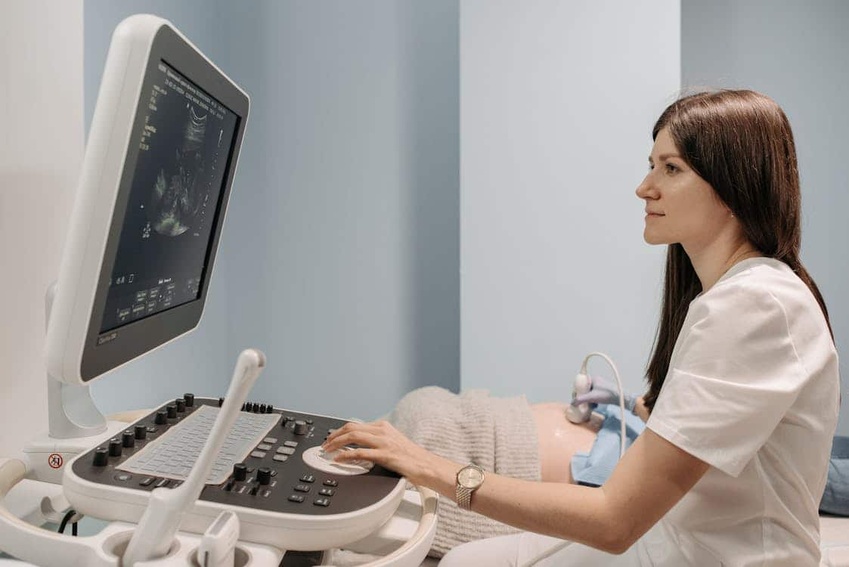
   <title>WHO Highlights AISAP AI Ultrasound in Global Healthcare Report</title>
   <updated>2026-07-15T12:25:00+02:00</updated>
   <id>https://www.dailycsr.com/WHO-Highlights-AISAP-AI-Ultrasound-in-Global-Healthcare-Report_a5959.html</id>
   <category term="Companies" />
   <photo:imgsrc>https://www.dailycsr.com/photo/art/imagette/97353354-67808244.jpg</photo:imgsrc>
   <published>2026-07-15T12:23:00+02:00</published>
   <author><name>Debashish Mukherjee</name></author>
   <content type="html">
    <![CDATA[
     <div style="position:relative; text-align : center; padding-bottom: 1em;">
      <img src="https://www.dailycsr.com/photo/art/default/97353354-67808244.jpg?v=1784111133" alt="WHO Highlights AISAP AI Ultrasound in Global Healthcare Report" title="WHO Highlights AISAP AI Ultrasound in Global Healthcare Report" />
     </div>
     <div>
      <div style="text-align: justify;">AISAP, an FDA-cleared artificial intelligence platform designed for point-of-care ultrasound (POCUS), has been highlighted as Case Study #5 in the World Health Organization's latest report, <em>Bridging Theory and Practice</em> (page 21). The report showcases practical implementations of AI in healthcare systems across the globe. Selected from among thousands of AI companies, AISAP was recognized for its collaboration with Sheba Medical Center, one of the world's foremost healthcare institutions. <br />   <br />  The featured case study describes AISAP's implementation in Sheba Medical Center's internal medicine and emergency departments. Between July 2022 and December 2023, physicians without specialized ultrasound training used the AI-guided cardiac ultrasound system to assess 660 patients. Findings published in <em>Mayo Clinic Proceedings: Digital Health</em> (2026;4(2):100355) revealed that AI-assisted focused cardiac ultrasound (FoCUS) detected clinically significant cardiac abnormalities in 193 patients (29%), including 147 previously unrecognized conditions (22%). <br />   <br />  The diagnostic information led to medication adjustments for 49 patients (7%) and interventional procedures for 9 patients (1.4%). In a subgroup of 117 patients whose results were compared with formal echocardiography, the AI-assisted FoCUS achieved 100% sensitivity and 96.9% specificity in identifying significant left ventricular dysfunction, while demonstrating 100% sensitivity and 87.6% specificity for detecting aortic stenosis. <br />   <br />  Commenting on the recognition, Robert Klempfner, Chief Medical Officer and Co-Founder of AISAP, said that the WHO acknowledgment reinforces the clinical experience at Sheba Medical Center, where AI-guided POCUS has enabled clinicians across departments to perform specialist-quality cardiac assessments at the bedside within minutes. He noted that validated AI technology has the potential to make expert-level cardiac diagnostics rapidly accessible throughout the hospital. <br />   <br />  According to the WHO report, the prospective clinical study conducted at Sheba showed that more than 30% of patient examinations resulted in treatment modifications, expedited discharge, or transitions in care, while each ultrasound examination was completed in less than five minutes. By the second quarter of 2025, the AISAP platform had been used for over 3,000 examinations across six hospital departments and the emergency department, supported by approximately 150 clinicians who had incorporated the technology into their routine practice. <br />   <br />  AISAP's CARDIO V1.0 system received FDA 510(k) clearance (K234141) in September 2024. The clearance was supported by a separate multicenter U.S. clinical study demonstrating sensitivity and specificity exceeding 93% for identifying significant ventricular and valvular abnormalities. The study's findings were independently validated by a core laboratory at Mass General Brigham. In addition, Sheba Medical Center has reported operational outcomes from the broader deployment of the platform across the institution, separate from the peer-reviewed clinical research. <br />   <br />  The complete WHO report, <em>Bridging Theory and Practice</em>, provides additional information on AISAP's case study and other examples of AI implementation in healthcare.</div>  
     </div>
     <br style="clear:both;"/>
    ]]>
   </content>
   <link rel="alternate" href="https://www.dailycsr.com/WHO-Highlights-AISAP-AI-Ultrasound-in-Global-Healthcare-Report_a5959.html" />
  </entry>
  <entry>
   <title>Digital Health Market to Reach USD 1.83 Trillion by 2033: Grand View Research</title>
   <updated>2026-06-26T15:18:00+02:00</updated>
   <id>https://www.dailycsr.com/Digital-Health-Market-to-Reach-USD-1-83-Trillion-by-2033-Grand-View-Research_a5907.html</id>
   <category term="Companies" />
   <photo:imgsrc>https://www.dailycsr.com/photo/art/imagette/97136989-67677053.jpg</photo:imgsrc>
   <published>2026-06-26T15:15:00+02:00</published>
   <author><name>Debashish Mukherjee</name></author>
   <content type="html">
    <![CDATA[
     <div style="position:relative; text-align : center; padding-bottom: 1em;">
      <img src="https://www.dailycsr.com/photo/art/default/97136989-67677053.jpg?v=1782479895" alt="Digital Health Market to Reach USD 1.83 Trillion by 2033: Grand View Research" title="Digital Health Market to Reach USD 1.83 Trillion by 2033: Grand View Research" />
     </div>
     <div>
      <div style="text-align: justify;">The global digital health market is poised for robust growth over the next decade, with its value projected to rise from USD 347.4 billion in 2025 to USD 1,830.4 billion by 2033, reflecting a compound annual growth rate (CAGR) of 23.4% between 2026 and 2033, according to a recent report by Grand View Research. <br />   <br />  The rapid evolution of healthcare delivery, widespread adoption of digital technologies in clinical settings, increasing demand for remote healthcare solutions, and the growing emphasis on patient-centered care are driving the expansion of the global digital health market. Governments, healthcare providers, and technology companies worldwide are investing heavily in digital infrastructure to enhance healthcare accessibility, efficiency, and patient outcomes. <br />   <br />  <strong>Digital Technologies Transforming Healthcare Systems</strong> <br />  Digital health solutions have become an essential component of modern healthcare by enabling connected care, virtual consultations, electronic health records, real-time patient monitoring, and data-driven clinical decision-making. Factors such as the rising burden of chronic diseases, shortages of healthcare professionals, increasing healthcare expenditures, and growing consumer preference for convenient healthcare services continue to support market growth. <br />   <br />  The widespread use of smartphones, improved internet access, advances in healthcare IT systems, and rising investments in health technologies are accelerating the global adoption of digital health platforms. Solutions such as remote patient monitoring, telehealth services, and mobile health applications are increasingly being utilized to provide continuous access to healthcare services. <br />   <br />  <strong>Telehealth and Mobile Health Continue to Drive Expansion</strong> <br />  Among technology segments, telehealth accounted for the largest share of the digital health market in 2025, representing 44.7% of total revenue. This growth has been fueled by rising demand for virtual healthcare services, expanding internet connectivity, increasing smartphone usage, and greater acceptance of remote consultations. <br />   <br />  Advancements in telehealth platforms have enabled healthcare professionals to provide consultations, patient monitoring, and follow-up care outside traditional clinical environments. Growing healthcare costs and the need to improve access in underserved regions are further accelerating the adoption of virtual care models. <br />   <br />  At the same time, the mobile health (mHealth) segment is experiencing rapid growth as consumers increasingly rely on smartphones and wearable devices to monitor health conditions, manage chronic illnesses, and access personalized healthcare services. Continued improvements in mobile technologies and digital awareness are expected to further support this segment's expansion. <br />   <br />  <strong>Software Solutions Account for the Largest Market Share</strong> <br />  Based on component type, software represented the largest share of the digital health market in 2025, accounting for 45.7% of revenue. The segment's growth is being driven by the increasing adoption of healthcare software platforms by patients, providers, insurers, and medical institutions. <br />   <br />  Healthcare organizations are deploying a broad range of digital solutions, including electronic health record (EHR) systems, healthcare analytics platforms, digital therapeutics, and clinical management software to enhance operational performance and improve patient care. <br />   <br />  The integration of artificial intelligence (AI), machine learning, and advanced analytics technologies is also reshaping healthcare by supporting predictive analytics, more accurate diagnoses, and personalized treatment strategies. <br />   <br />  <strong>Growing Chronic Disease Burden Supports Market Demand</strong> <br />  The increasing prevalence of chronic conditions such as diabetes, cardiovascular disease, and cancer is creating substantial demand for digital healthcare technologies that enable continuous monitoring and disease management. <br />   <br />  The diabetes application segment accounted for more than 25% of the market in 2025, driven by increasing adoption of glucose monitoring systems, digital disease management platforms, wearable technologies, and remote patient monitoring solutions. <br />   <br />  Digital health platforms are empowering patients by improving access to healthcare information, supporting medication adherence, and enabling healthcare providers to remotely monitor patient health and treatment outcomes. <br />   <br />  <strong>Patient-Centered Care Models Create New Opportunities</strong> <br />  Patients represented the largest end-user segment in 2025, accounting for more than 35% of total market revenue, and are expected to maintain strong growth throughout the forecast period. The rising focus on personalized care, self-management tools, and improved patient engagement continues to drive adoption. <br />   <br />  Digital healthcare solutions, including mobile applications, wearable devices, telehealth platforms, and connected medical technologies, are enabling patients to take a more active role in preventive care and disease management. <br />   <br />  Healthcare providers are likewise adopting digital tools to improve clinical workflows, increase operational efficiency, and deliver more personalized treatment approaches. <br />   <br />  <strong>North America Leads While Asia Pacific Emerges as a High-Growth Region</strong> <br />  North America held the largest share of the global digital health market in 2025, accounting for 37.1% of total revenue. The region's leadership is supported by advanced healthcare infrastructure, significant healthcare IT investments, supportive government policies, and rapid adoption of emerging technologies. <br />   <br />  The region continues to attract substantial investment from healthcare organizations, technology companies, and startups focused on developing innovative digital health solutions. <br />  Meanwhile, the Asia Pacific market is expected to experience strong growth during the forecast period, driven by increasing smartphone penetration, improving healthcare infrastructure, expanding digital literacy, and government initiatives aimed at accelerating healthcare digitalization. <br />   <br />  <strong>Investments and Innovation Intensify Industry Competition</strong> <br />  The digital health sector is witnessing growing levels of investment, strategic partnerships, and technological innovation as companies seek to strengthen and expand their digital healthcare capabilities. Industry participants are actively developing solutions across telehealth, healthcare analytics, wearable devices, remote monitoring, and connected healthcare ecosystems. <br />   <br />  Major companies operating in the market include Oracle Cerner, Veradigm, Apple Inc., Telefonica S.A., McKesson Corporation, Epic Systems Corporation, Google, Samsung Electronics, IBM Corporation, and Cisco Systems. <br />   <br />  Recent developments across the industry underscore a growing focus on artificial intelligence integration, digital care delivery models, and technology-enabled healthcare services. These innovations are expected to unlock new opportunities for market participants while improving healthcare access on a global scale. <br />   <br />  <strong>Digital Health Market Outlook</strong> <br />  The global digital health industry is entering a period of accelerated transformation as healthcare systems increasingly embrace technology-driven solutions to improve patient outcomes and operational performance. The convergence of advanced connectivity, AI-powered healthcare applications, rising healthcare investments, and growing demand for remote care services is expected to drive sustained market expansion through 2033. <br />   <br />  According to Grand View Research, the digital health market is on track to reach USD 1,830.4 billion by 2033, highlighting the continued shift toward more connected, accessible, and personalized healthcare ecosystems worldwide.</div>  
     </div>
     <br style="clear:both;"/>
    ]]>
   </content>
   <link rel="alternate" href="https://www.dailycsr.com/Digital-Health-Market-to-Reach-USD-1-83-Trillion-by-2033-Grand-View-Research_a5907.html" />
  </entry>
  <entry>
   <title>EndoDNA Launches BIOS Precision Medicine Platform for Clinicians</title>
   <updated>2026-06-16T14:19:00+02:00</updated>
   <id>https://www.dailycsr.com/EndoDNA-Launches-BIOS-Precision-Medicine-Platform-for-Clinicians_a5881.html</id>
   <category term="Companies" />
   <photo:imgsrc>https://www.dailycsr.com/photo/art/imagette/96998094-67596619.jpg</photo:imgsrc>
   <published>2026-06-16T14:08:00+02:00</published>
   <author><name>Debashish Mukherjee</name></author>
   <content type="html">
    <![CDATA[
     <div style="position:relative; text-align : center; padding-bottom: 1em;">
      <img src="https://www.dailycsr.com/photo/art/default/96998094-67596619.jpg?v=1781612344" alt="EndoDNA Launches BIOS Precision Medicine Platform for Clinicians" title="EndoDNA Launches BIOS Precision Medicine Platform for Clinicians" />
     </div>
     <div>
      <div style="text-align: justify;">EndoDNA, a company specializing in precision health intelligence, has introduced BIOS, an innovative and patented clinical decision-support platform designed exclusively for licensed healthcare professionals. Replacing the company's previous interpretation engine, myDNALive, BIOS provides practitioners in functional, integrative, regenerative, hormone optimization, and longevity medicine with a dynamic, long-term view of a patient's biological profile. <br />   <br />  BIOS—short for <strong>Biomedical Reasoning and Adaptive Inference Network</strong>—takes precision medicine beyond traditional static genetic reports. Instead of offering one-time insights, the platform continuously integrates genomic information, biomarkers, lifestyle factors, symptoms, and other patient data into a unified, evolving clinical dashboard. <br />   <br />  According to Len May, Founder and CEO of EndoDNA, healthcare providers have access to unprecedented amounts of biological data but often lack practical tools to translate that information into actionable care strategies. BIOS was developed to bridge this gap by converting complex biological information into structured clinical insights that adapt as patient conditions change, enabling more informed and consistent treatment decisions. <br />   <br />  <strong>A Pathway-Centered Approach to Genomic Analysis</strong> <br />  Unlike many consumer DNA services and generic artificial intelligence platforms that focus on interpreting individual single-nucleotide polymorphisms (SNPs), BIOS evaluates interconnected biological pathways. This systems-based approach allows practitioners to better understand how genetic factors influence overall health. <br />   <br />  The platform analyzes key physiological areas, including:</div>    <ul>  	<li style="text-align: justify;">Hormone metabolism and metabolic regulation</li>  	<li style="text-align: justify;">Inflammatory processes and stress-response mechanisms</li>  	<li style="text-align: justify;">Neurotransmitter activity and cognitive performance</li>  </ul>    <div style="text-align: justify;">Overall, BIOS evaluates approximately one million validated genetic variants across 21 biological systems and actively manages 214 curated pathways to support real-time clinical decision-making. <br />   <br />  <strong>Four Integrated Intelligence Networks</strong> <br />  Rather than evaluating isolated data points, BIOS uses four interconnected memory networks that collectively create a comprehensive and continuously updated patient profile: <br />   <br />  <strong>World Network</strong> – Incorporates large-scale genomic research and evidence from established resources such as biobanks, CPIC, and PharmGKB. <br />   <br />  <strong>Experience Network</strong> – Leverages aggregated clinical case data to identify interventions that have produced favorable outcomes in similar patient populations. <br />   <br />  <strong>Opinion Network</strong> – Captures practitioner observations, notes, and custom adjustments to personalize recommendations. <br />   <br />  <strong>Observation Network</strong> – Monitors patient-reported outcomes alongside biomarker and laboratory trends over time. <br />  Through a HIPAA-compliant interface, licensed healthcare providers can order DNA testing, generate multiple specialized reports from existing genotype data, integrate laboratory and biomarker information, evaluate pharmacogenomic interactions, and perform natural-language searches of genomic datasets. <br />   <br />  Available reporting modules include:</div>    <ul>  	<li style="text-align: justify;">Female and Male Regenerative Health</li>  	<li style="text-align: justify;">NeuroDNA Cognitive and Neurological Health</li>  	<li style="text-align: justify;">Nutrigenomics and Metabolic Pathway Analysis</li>  	<li style="text-align: justify;">Endocannabinoid System (ECS) Assessments</li>  	<li style="text-align: justify;">Hormone Optimization and Longevity Pathway Analysis</li>  </ul>    <div style="text-align: justify;">Dr. Allen Lawrence, MA, MD, PhD, noted that while clinicians have long struggled with the challenge of interpreting vast quantities of biological data, BIOS provides a practical framework for transforming that information into meaningful clinical action. By converting genomic and biological inputs into organized, actionable intelligence, the platform supports a more scalable model of precision medicine that enhances decision-making, patient engagement, and individualized care delivery. <br />   <br />  <strong>Proven Accuracy and Ongoing Innovation</strong> <br />  Since its inception, EndoDNA has supported more than 10,000 patients across over nine countries through partnerships with CAP- and CLIA-accredited laboratories. Utilizing Illumina next-generation sequencing technology, the company reports a genotyping accuracy rate of 99.6%. <br />   <br />  EndoDNA's intellectual property portfolio includes more than ten issued and pending patents. Among these are a patented methodology for genotyping the endocannabinoid system (ECS) and a proprietary machine-learning framework designed to predict treatment effectiveness using genetic and biometric information. <br />   <br />  BIOS is available immediately to licensed healthcare professionals as both a clinical decision-support solution and a research-focused platform.</div>  
     </div>
     <br style="clear:both;"/>
    ]]>
   </content>
   <link rel="alternate" href="https://www.dailycsr.com/EndoDNA-Launches-BIOS-Precision-Medicine-Platform-for-Clinicians_a5881.html" />
  </entry>
  <entry>
   <title>Lenire Tinnitus Device Launches in Canada for Long-Term Relief,</title>
   <updated>2026-04-08T12:34:00+02:00</updated>
   <id>https://www.dailycsr.com/Lenire-Tinnitus-Device-Launches-in-Canada-for-Long-Term-Relief_a5687.html</id>
   <category term="Companies" />
   <photo:imgsrc>https://www.dailycsr.com/photo/art/imagette/95914887-66940689.jpg</photo:imgsrc>
   <published>2026-04-08T12:29:00+02:00</published>
   <author><name>Debashish Mukherjee</name></author>
   <content type="html">
    <![CDATA[
     <div style="position:relative; text-align : center; padding-bottom: 1em;">
      <img src="https://www.dailycsr.com/photo/art/default/95914887-66940689.jpg?v=1775644491" alt="Lenire Tinnitus Device Launches in Canada for Long-Term Relief," title="Lenire Tinnitus Device Launches in Canada for Long-Term Relief," />
     </div>
     <div>
      <div style="text-align: justify;">Neuromod Devices, a medical technology firm focused on tinnitus therapies, has introduced its Lenire device to the Canadian market. <br />   <br />  Initially, Lenire will be offered through select hearing care clinics specializing in tinnitus across Ontario, British Columbia, Alberta, Manitoba, and Québec. The rollout begins with availability in 21 clinics, with plans to expand further in 2026. <br />   <br />  Lenire is the first bimodal neuromodulation system shown in multiple clinical studies to deliver lasting relief from tinnitus. The treatment works by pairing gentle electrical stimulation applied to the tongue via an intra-oral component called Tonguetip&nbsp;with sound-based stimulation, encouraging beneficial changes in brain activity associated with tinnitus. <br />   <br />  Tinnitus—often described as ringing, buzzing, or hissing in the ears—is widespread in Canada. According to the Canadian Health Measures Survey, 43% of Canadians have experienced it at some point, and 37% reported symptoms within the past year. <br />   <br />  Dr. Ross O’Neill, Founder and CEO of Neuromod, noted that growing demand from Canadians living with tinnitus has driven the device’s launch. He emphasized the company’s commitment to providing clinically validated solutions and collaborating with leading clinics to expand access to care. <br />   <br />  The Canadian introduction follows a thorough audit confirming Neuromod’s compliance with ISO13485 standards and regulatory requirements, including approval from Health Canada. <br />   <br />  Canada becomes the latest country to offer Lenire in 2026, following successful launches in markets such as the Netherlands, Portugal, and expanded availability in the United States. Lenire is also the first non-invasive bimodal neuromodulation device for tinnitus to demonstrate effectiveness in both controlled clinical trials and real-world patient outcomes. <br />   <br />  In 2023, the device received De Novo authorization from the U.S. Food and Drug Administration (FDA), marking a regulatory milestone. This approval was based on results from the TENT-A3 clinical trial, which showed Lenire to be more effective than sound therapy alone. Following FDA clearance, the device also met the requirements of the Medical Device Single Audit Program (MDSAP) and obtained authorization from Health Canada in late 2025. <br />   <br />  Neuromod has since been training hearing care professionals across Canada to deliver Lenire treatment. Findings from the TENT-A2 clinical trial, published in Nature – Scientific Reports, showed that 95% of compliant patients experienced improvement, with 91% maintaining benefits for at least a year after treatment. <br />   <br />  Ron Abish, Founder and CEO of Hearing Solutions, highlighted the growing number of patients seeking help for tinnitus and welcomed Lenire as an additional, evidence-backed treatment option. <br />   <br />  Real-world data further supports the device’s effectiveness. Studies published in Nature Communications Medicine and the American Journal of Audiology reported significant symptom reduction among patients treated at independent clinics, with a large majority experiencing meaningful relief. <br />   <br />  Patients have also shared positive outcomes. Toronto resident Jim Gray described Lenire as life-changing, noting that it helped him reduce reliance on sleep medication and manage his tinnitus more effectively. <br />   <br />  Reflecting its strong clinical evidence, Lenire has been recognized by the charity Tinnitus UK as a leading treatment option in terms of safety and effectiveness. <br />   <br />  In Canada, Lenire is available exclusively through trained hearing care clinics, where patients undergo an assessment to determine suitability before beginning treatment. <br />   <br />  Click <a class="link" href="http://www.lenire.com/find-a-clinic/">here</a>  to find a clinic providing Lenire in Canada.</div>  
     </div>
     <br style="clear:both;"/>
    ]]>
   </content>
   <link rel="alternate" href="https://www.dailycsr.com/Lenire-Tinnitus-Device-Launches-in-Canada-for-Long-Term-Relief_a5687.html" />
  </entry>
</feed>